
Asbestos Testing Cost for Home Renovation: 2026 Guide
Table of Contents
Understanding Asbestos Testing Cost for Home Renovation
Why testing matters before you renovate
The difference between inspection and testing
Asbestos Inspection Cost: What to Expect
Professional inspection fees and what's included
DIY test kits versus professional assessment
Asbestos Testing Cost Per Sample and Laboratory Analysis
How sample quantity affects your total bill
Additional samples and rush turnaround fees
Factors That Affect Asbestos Testing Costs
Property size and number of rooms
Material type and sampling locations
Regional pricing and local regulations
Asbestos Survey Before Renovation: Planning Your Testing Strategy
Whole-house versus single-room project sampling
Creating a renovation-focused sampling plan
Asbestos Removal Cost: What Happens After Testing
Testing results and next steps
How to choose a qualified, independent inspector
Budgeting and Comparing Testing Quotes
What a testing quote should include
Frequently Asked Questions
Last Updated: October 5, 2026
Understanding Asbestos Testing Cost for Home Renovation
Asbestos testing cost for home renovation is one of the most critical expenses homeowners overlook when planning a remodel.
Asbestos was ubiquitous in building materials for decades. Insulation, drywall joint compound, floor tiles, roofing materials, and pipe wrap often contained it (Asbestos Toxicity: Where Is Asbestos Found? | Environmental Medicine). When renovation disturbs these materials, fibers become airborne and pose serious health risks.
Why testing matters before you renovate
Skipping asbestos testing before renovation is a gamble that costs far more when it goes wrong. Contractors who encounter asbestos mid-project face work stoppages and regulatory fines, while homeowners who discover it after materials are damaged face emergency remediation costs that dwarf upfront testing.
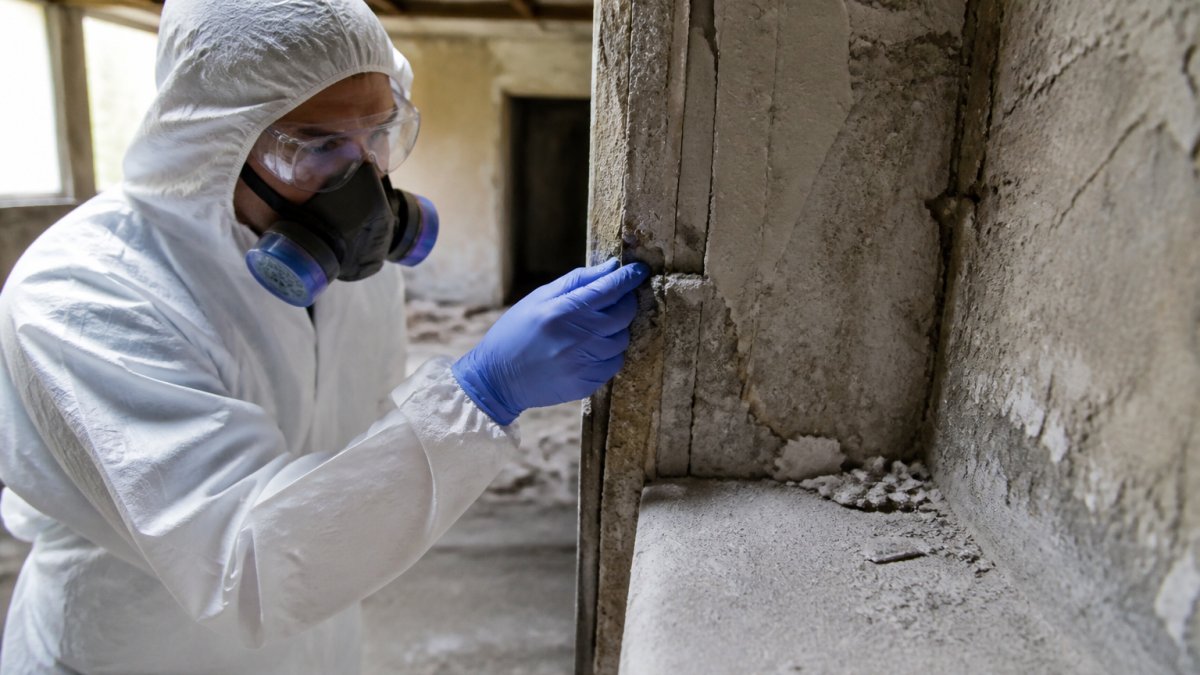
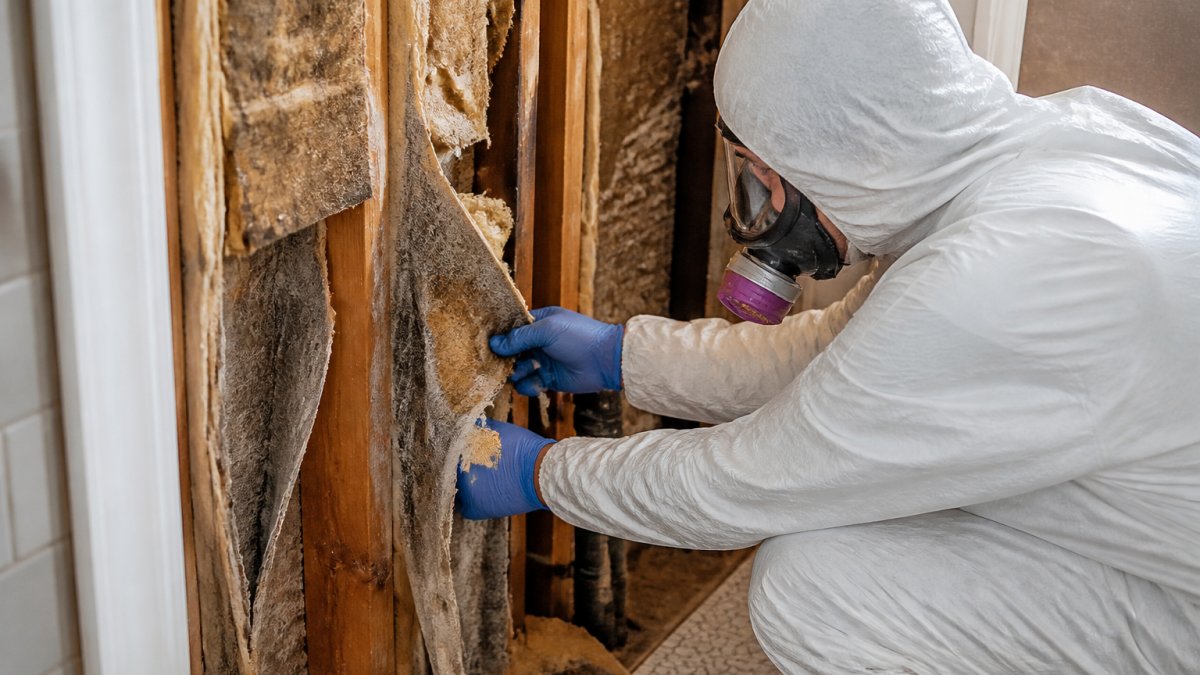
The process is straightforward and non-invasive. A qualified inspector collects small samples from suspect materials, sends them to a laboratory, and provides a detailed report identifying what's present and where. That report becomes essential documentation for your contractor, insurer, and regulatory compliance.
The difference between inspection and testing
Many homeowners confuse inspection with testing, and the difference affects your asbestos testing cost.
You cannot skip the inspection step. A qualified inspector knows which materials are most likely to contain asbestos and where to focus sampling, preventing unnecessary sample collection and keeping your asbestos testing cost reasonable.

Asbestos Inspection Cost: What to Expect
An asbestos inspection is the foundation of your testing strategy. The inspection fee covers the professional's time to visit your property, assess materials, document findings, and recommend sampling locations. Laboratory fees come later and are separate.
Professional inspection fees and what's included
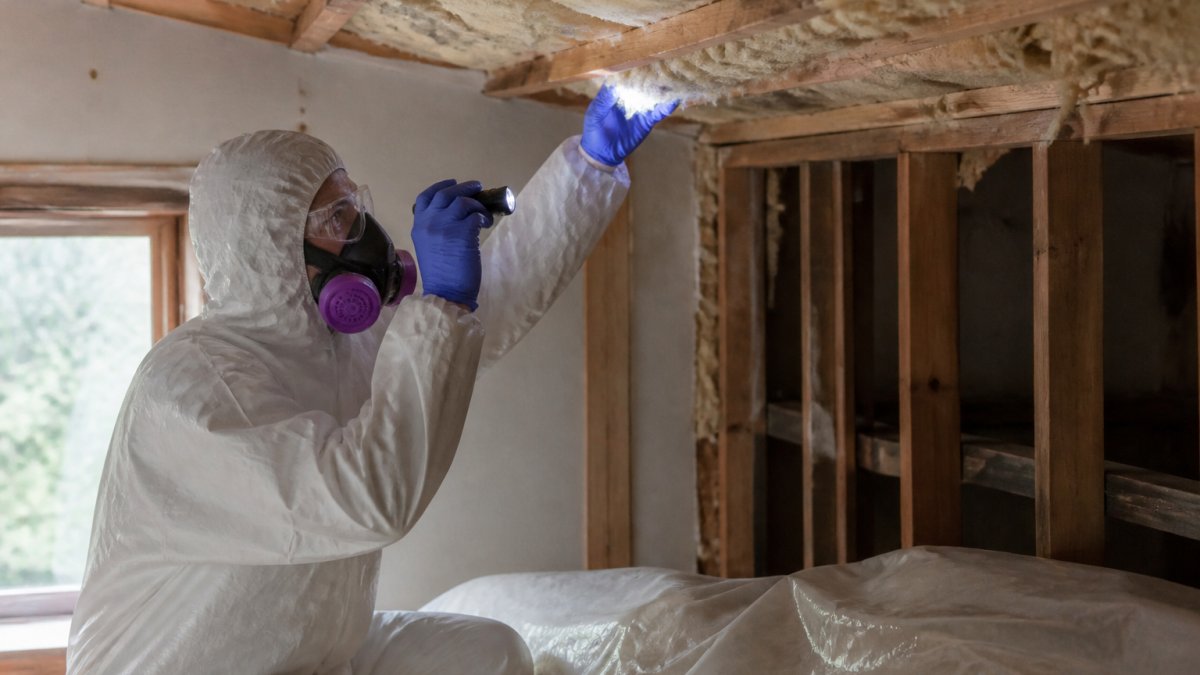
A professional asbestos inspection includes several components. The inspector surveys your property with proper equipment, identifies materials that may contain asbestos based on appearance and age, photographs and notes suspect areas, and creates a detailed report recommending which materials to sample. That report typically includes a site map and a prioritized sampling list.
A complete quote lists the inspection fee separately from per-sample laboratory costs, states how many samples are recommended and which materials will be tested, gives turnaround time, and clarifies rush or additional charges.
DIY test kits versus professional assessment
DIY asbestos test kits cost far less than professional inspection and let homeowners mail their own samples to a laboratory, but they have serious limitations. A homeowner cannot reliably identify which materials need testing and may sample the wrong areas or miss asbestos entirely.
Professional testing gives you expert judgment on which materials pose the highest risk, sampling technique that avoids fiber release, and a report contractors and regulators can rely on. For renovation planning, it's the only approach that prevents costly delays or safety oversights.
Asbestos Testing Cost Per Sample and Laboratory Analysis
The per-sample laboratory cost is where much of your asbestos testing cost accumulates. Each sample must be analyzed in a certified laboratory, and the price varies by analysis type and processing speed.
How sample quantity affects your total bill
Most renovation projects require 5 to 15 samples depending on property size and material diversity. A single-room renovation might need 3 to 5; a whole-house inspection before major remodeling typically involves 10 to 20.
Sample count is driven by inspection findings. A qualified inspector recommends sampling based on material type, age, condition, and renovation scope, which prevents both over-testing and under-testing. The report should justify why each sample matters for your project.
Additional samples and rush turnaround fees
After initial testing, you may need additional samples if renovation uncovers materials not visible during the inspection or your contractor finds suspect materials in unplanned areas. Additional samples cost the same but can delay your project if turnaround is slow.
Standard laboratory turnaround is typically 5 to 10 business days. Rush processing (2 to 3 days) adds a surcharge to your asbestos testing cost. If your contractor is waiting to begin demolition, rush fees may be worthwhile; if your timeline is flexible, standard turnaround keeps costs down.
Factors That Affect Asbestos Testing Costs
Your final asbestos testing cost depends on several variables beyond sample count. Understanding them helps you budget accurately.
Property size and number of rooms
Larger properties cost more to inspect and test because there's more material to assess. A 2,000-square-foot home requires a more thorough inspection than a 1,000-square-foot property, and a multi-story house with a basement and attic involves more material types than a single-story ranch.
For single-room renovations in larger homes, the asbestos testing cost may be surprisingly modest: an inspection and a handful of samples focused on that space. Whole-house projects mean more extensive sampling and higher costs.
Material type and sampling locations
Not all materials are equally likely to contain asbestos. Spray-applied insulation, pipe wrap, and floor tile adhesive are high-priority samples because they frequently contained asbestos; painted surfaces, drywall, and structural components are lower priority unless damaged. Prioritization means testing the highest-risk materials first and adding lower-priority samples only if budget allows.
Sampling locations affect logistics too. Materials in accessible areas (basement, attic, crawl spaces) are cheaper to sample than those in walls or ceilings requiring drilling or removal, and your inspector will note accessibility when recommending samples.
Regional pricing and local regulations
Asbestos testing costs vary by region based on labor rates, regulatory requirements, and inspector availability. Areas with stricter renovation regulations may require more extensive testing, and local rules affect what documentation you need and which laboratories are acceptable. Asbestos Buster's expertise in Nassau County and Long Island helps you navigate these factors efficiently.
Asbestos Survey Before Renovation: Planning Your Testing Strategy
An asbestos survey before renovation is your roadmap for safe, compliant project execution. Unlike a casual inspection, it's a systematic assessment designed around your specific renovation plans.
Whole-house versus single-room project sampling
A whole-house asbestos survey covers all accessible materials and provides comprehensive documentation. It makes sense for major renovations, a property sale, or a rental with unknown material history. It costs more but eliminates the risk of discovering asbestos in areas you didn't plan to disturb.
A single-room or single-project survey focuses only on materials you'll disturb. This targeted approach reduces asbestos testing cost while still protecting your project: renovating a kitchen means sampling just the kitchen and adjacent areas. If you expand later, you can sample again then.
Creating a renovation-focused sampling plan
Work with your inspector to create a sampling plan aligned with your contractor's scope of work. Show exactly what demolition will occur, which walls will be opened, which flooring removed, and which systems disturbed, so samples focus on materials your project will actually touch.
A good sampling plan includes material descriptions, locations marked on a site map, prioritization (which samples must precede work versus which can wait), and contingency planning for unexpected materials.
Asbestos Removal Cost: What Happens After Testing
Testing is the first step, but understanding what comes next is essential for complete project planning. A positive result doesn't necessarily mean expensive removal; it means you need professional guidance on next steps.
Testing results and next steps
A laboratory report states whether asbestos was detected in each sample. Negative results mean your contractor can proceed without abatement. Positive results leave options depending on material type, condition, and renovation scope.
Not all asbestos-containing materials require immediate removal. Materials in good condition that won't be disturbed can sometimes be left in place with monitoring, while those that will be disturbed must be professionally removed before work begins. After your asbestos testing cost comes abatement planning: which materials must be removed, encapsulated or sealed, or left undisturbed.
Watch Out Never attempt to remove asbestos yourself or hire unlicensed contractors. Improper removal creates airborne fibers and health hazards. Licensed abatement specialists follow strict protocols for containment, removal, and disposal that protect your family and your property.
How to choose a qualified, independent inspector
The inspector who tests your property should not be the same company that removes asbestos. Independence is crucial: an inspector employed by a removal company has a financial incentive to recommend extensive abatement, while an independent inspector has no stake in removal decisions and can give honest guidance.
Qualified inspectors hold credentials from recognized certification programs, maintain liability insurance, and follow standardized sampling and documentation protocols. Asbestos Buster provides professional asbestos inspection and testing services, delivering clear, accurate reporting and expert sampling to help you make informed decisions.
Budgeting and Comparing Testing Quotes
When you're ready to get quotes for asbestos testing cost, knowing what to compare separates a fair price from an overpriced service.
Component | What It Includes | Why It Matters |
Inspection fee | Professional site assessment, material identification, sampling recommendations | Determines how many samples you'll need and which materials are tested |
Per-sample lab cost | Laboratory analysis of one sample, report of results | Multiplied by number of samples; affects total cost significantly |
Report documentation | Written findings, site map, material locations, recommendations | Required for contractor guidance and regulatory compliance |
Turnaround time | Standard (5-10 days) or rush (2-3 days) processing | Standard is cheaper; rush adds surcharge but accelerates project timeline |
Additional services | Consultation on results, abatement planning, follow-up sampling | May be included or charged separately depending on provider |
What a testing quote should include
Red flags include vague quotes that don't break down costs, inspectors who recommend testing every material without prioritization, providers who bundle testing with removal services, and quotes that seem unusually cheap (suggesting incomplete sampling or low-quality analysis).
Pro Tip Request quotes from at least two independent inspectors. Compare not just price but the number of samples recommended and the reasoning behind those recommendations. The cheapest quote isn't always the best if it under-samples your property.
Protecting your renovation project starts with understanding asbestos testing cost and planning accordingly. The investment in professional testing before work begins prevents costly delays, safety hazards, and regulatory violations.
Frequently Asked Questions
How much should asbestos testing cost?
Asbestos testing costs depend on the scope of your property, number of samples needed, and laboratory analysis fees. For accurate pricing tailored to your specific renovation project, contact a qualified professional who can assess your property and provide a detailed quote. Pricing varies by location, property size, and the materials being tested.
What affects the cost of asbestos testing?
Several factors influence asbestos testing cost: property size and number of rooms, types of materials being sampled (drywall, insulation, floor tiles, roofing), number of samples collected, laboratory analysis type (bulk, air, TEM, settled dust), regional pricing differences, and whether you need rush turnaround. A single-room project costs less than a whole-house survey, and additional samples add to the final bill.
Should I test for asbestos before remodeling an older home?
Yes. Homes built before the mid-1980s frequently contain asbestos-containing materials in insulation, drywall, floor tiles, roofing, and other components. Testing before renovation identifies materials that require special handling or professional abatement, protecting your health and ensuring compliance with regulations. Skipping testing creates safety risks for workers and occupants during demolition or remodeling work.
How many samples are needed for asbestos testing?
The number of samples depends on your project scope. A single-room renovation may require 3-5 samples from different material types in that room. A whole-house inspection typically involves more samples across multiple areas and materials. Your inspector will develop a sampling plan based on the materials present and your renovation scope, then provide a cost estimate for the total number of samples and laboratory analysis.
Is it worth getting an asbestos survey?
An asbestos survey is essential before any renovation, demolition, or property transaction involving homes built before the mid-1980s. Testing provides clear documentation of which materials contain asbestos, allowing you to budget for safe removal, plan your project timeline, and ensure regulatory compliance. Without testing, you risk unexpected costs, project delays, and health hazards during construction work.
What happens after you test and find asbestos?
After testing identifies asbestos, your next step depends on your renovation plans. Materials that will be disturbed during renovation typically require professional abatement before work begins. Your testing report provides clear documentation of what was found and where. You can then obtain separate quotes from licensed abatement contractors for removal or encapsulation, giving you the information needed to budget and schedule your project safely.
Schedule an Inspection
Comments