
Asbestos Testing for Commercial Property: A 2026 Guide
Table of Contents
What Is an Asbestos Survey and Why It Matters for Commercial Properties
Legal Requirements and OSHA Asbestos Regulations for Building Owners
When Asbestos Testing Is Required for Commercial Properties
The Asbestos Testing Process: Step-by-Step
Visual Inspection and Material Identification
Bulk Sampling and Laboratory Analysis
Air Monitoring and Fiber Count Results
How Long Does an Asbestos Inspection Take and What to Expect
Asbestos Survey Cost for Commercial Property: Budgeting and What Affects Price
Asbestos Management Plan Requirements and Next Steps
Insurance Liability and Your Responsibility as a Property Owner
Frequently Asked Questions
Last Updated: October 2, 2026
What Is an Asbestos Survey and Why It Matters for Commercial Properties
An asbestos survey is a systematic inspection and assessment of a commercial building to identify, locate, and evaluate asbestos-containing materials (ACMs) that may pose health risks. The survey documents the condition, type, and extent of any friable or non-friable asbestos present, providing property owners with clear information needed to make informed decisions about remediation, renovation, or demolition.
For commercial property owners, an asbestos survey serves as both a legal safeguard and a practical tool. Buildings constructed before the mid-1980s frequently contain asbestos in insulation, floor tiles, roofing materials, pipe wrapping, and acoustic ceiling tiles. Without proper identification, renovation or demolition work can disturb these materials and release asbestos fibers into the air, creating serious occupational health and safety risks for workers and building occupants.
Asbestos Buster provides professional asbestos inspection and testing services tailored for commercial properties throughout Nassau County and Long Island. Our team delivers clear, accurate reporting and expert sampling to help you make informed decisions about your actual exposure risk and plan next steps with confidence.
Pro Tip Many property owners assume their building is asbestos-free simply because it "looks fine." Visual appearance is not a reliable indicator. Only professional testing can confirm the presence or absence of ACMs. Buildings that appear well-maintained often contain significant asbestos hazards hidden within walls, under flooring, or in mechanical systems.
Legal Requirements and OSHA Asbestos Regulations for Building Owners
Building owners in the United States face specific legal obligations under the Occupational Safety and Health Administration (OSHA) asbestos standards and the Environmental Protection Agency (EPA) regulations. These rules establish mandatory requirements for identifying, managing, and disclosing asbestos hazards in commercial properties.
OSHA's asbestos regulations (29 CFR 1910.1001) require employers to identify asbestos-containing materials in their facilities and implement control measures to prevent worker exposure.
Watch Out Ignoring asbestos regulations is not a cost-saving strategy, it is a liability multiplier. The fines for non-compliance far exceed the cost of a professional survey. More importantly, asbestos exposure can result in mesothelioma, lung cancer, and asbestosis, leading to workers' compensation claims, lawsuits, and reputational damage that can be catastrophic for a business.
When Asbestos Testing Is Required for Commercial Properties
Asbestos testing for commercial property is essential in several specific situations. Understanding when testing is mandatory, and when it is prudent even if not legally required, helps property owners avoid costly surprises and protect their liability exposure.
The Asbestos Testing Process: Step-by-Step
The asbestos testing for commercial property process follows a structured approach designed to identify hazards accurately while minimizing disruption to operations. Understanding the steps helps property owners know what to expect and why each phase matters.

Visual Inspection and Material Identification
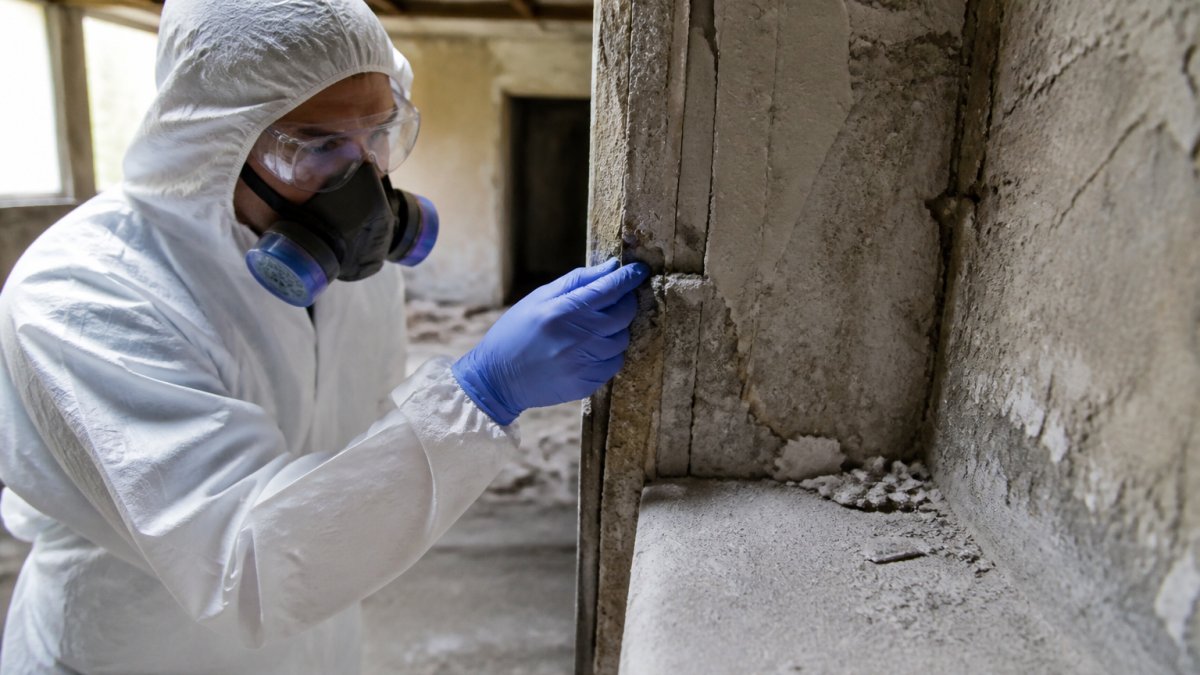
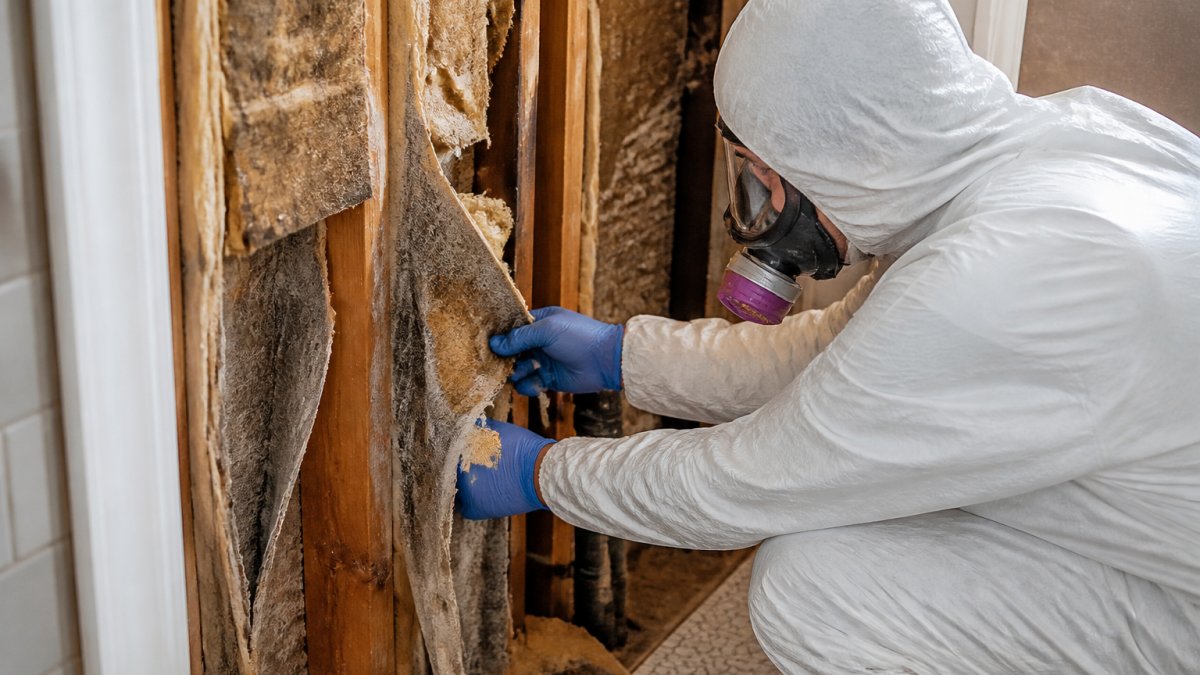
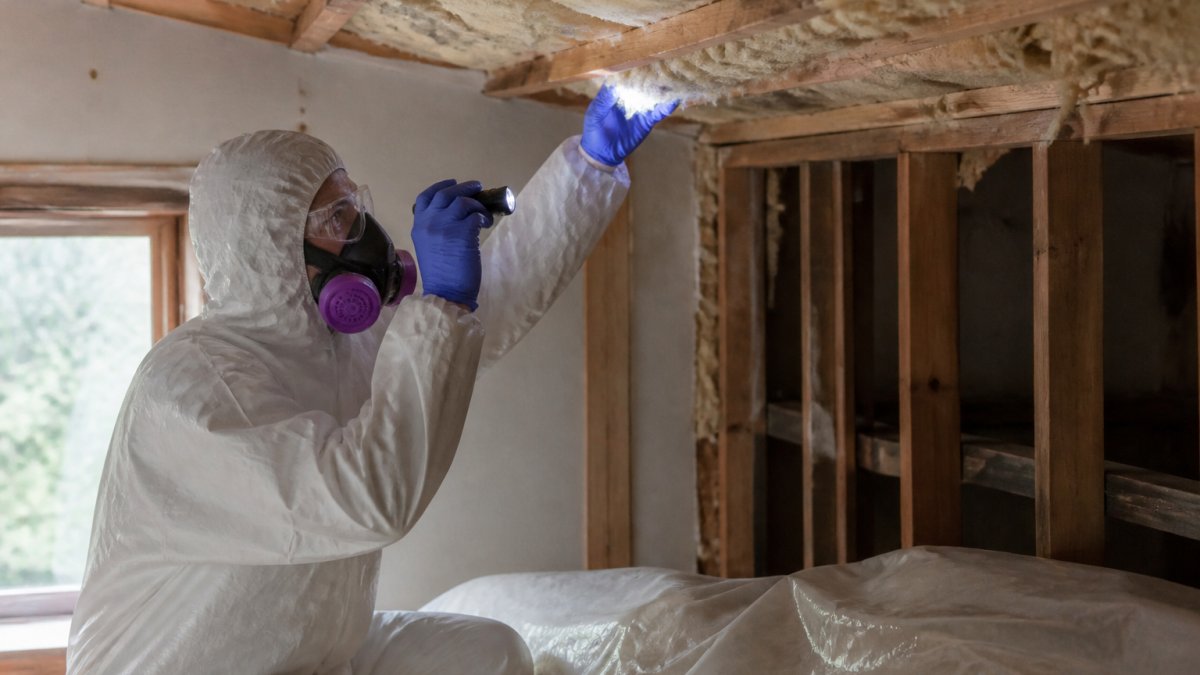
The survey begins with a thorough visual inspection of the building. The licensed inspector walks through all accessible areas, including mechanical rooms, attics, crawl spaces, and wall cavities, to identify materials that may contain asbestos. Common ACMs in commercial buildings include pipe insulation, floor tiles, roofing felt, acoustic ceiling tiles, spackle, joint compound, and thermal insulation.
Bulk Sampling and Laboratory Analysis
Once suspect materials are identified, bulk samples are collected and sent to an accredited laboratory for analysis. The lab uses polarized light microscopy (PLM) or transmission electron microscopy (TEM) to determine whether asbestos fibers are present and quantify their percentage composition.
Air Monitoring and Fiber Count Results
For properties with known or suspected asbestos, air monitoring may be performed to measure the concentration of asbestos fibers in the indoor air. This is particularly important if the asbestos-containing materials are friable or if occupants have reported health concerns.
How Long Does an Asbestos Inspection Take and What to Expect
The timeline for an asbestos inspection depends on the size and complexity of the building, but property owners should understand the typical duration at each stage. Planning ahead prevents project delays and ensures testing is completed before renovation or demolition work begins.
Asbestos Survey Cost for Commercial Property: Budgeting and What Affects Price
Budgeting for asbestos testing for commercial property requires understanding the factors that influence cost. While pricing depends on the specific scope, building size, and complexity, property owners should plan for a professional assessment rather than attempting to cut corners.
Best For Commercial properties planning renovation or demolition work, real estate transactions requiring environmental due diligence, and facility managers managing aging buildings with potential asbestos hazards.
Asbestos Management Plan Requirements and Next Steps
Once asbestos testing for commercial property confirms the presence of ACMs, the property owner must develop and implement an asbestos management plan. This plan outlines how the building will manage, maintain, or remediate the identified materials.
Insurance Liability and Your Responsibility as a Property Owner
Property owners bear significant legal and financial responsibility for asbestos hazards in their buildings. Understanding liability exposure and insurance implications is critical for protecting the business and its stakeholders.
Stage | Typical Duration | Key Deliverable |
Visual Inspection | 4-8 hours | Material identification and sampling plan |
Bulk Sample Collection | Included in inspection | Samples to laboratory |
Laboratory Analysis | 5-10 business days | Lab results with fiber composition |
Air Monitoring (if needed) | 1-2 days | Fiber count and exposure assessment |
Report Preparation | 2-3 weeks total | Comprehensive findings and recommendations |
Frequently Asked Questions
When is asbestos testing legally required for commercial properties?
Asbestos testing for commercial property is typically required before renovation, demolition, or major maintenance work. OSHA regulations for building owners mandate that properties built before the 1980s be surveyed before disturbance. Many states and local jurisdictions have specific thresholds, some require testing if materials will be disturbed during work affecting more than a certain square footage. Your local building department and environmental agency can clarify exact requirements for your property. Pre-purchase inspections are also strongly recommended for due diligence, even when not legally mandated.
How long does an asbestos inspection take, and when will I get results?
A typical asbestos inspection takes 4 to 8 hours for a small to mid-sized commercial building, depending on size and complexity. The inspector conducts a visual assessment, identifies suspect materials, and collects bulk samples. Laboratory analysis of samples usually takes 5-10 business days. Air monitoring, if needed, may require 24-48 hour sampling periods. Full results with a written report typically arrive within 2-3 weeks. Rush services may be available at an additional cost if your timeline is tight. Always confirm turnaround times with your testing provider upfront.
What factors affect asbestos survey cost for commercial property?
Asbestos survey cost for commercial property depends on building size, age, construction type, number of materials to sample, and accessibility. Larger buildings with more suspect materials cost more to survey. Single-story structures are faster and cheaper than multi-story buildings. Properties built in the 1970s-1980s typically require more extensive sampling than those from other eras. Geographic location and local labor rates also influence pricing. Air monitoring and specialized testing (TEM, settled dust) add to costs. Request a detailed estimate that breaks down inspection labor, sampling, and laboratory fees. Pricing depends on your specific property, contact Asbestos Buster for a customized quote.
What happens after asbestos testing finds asbestos-containing materials?
If testing confirms asbestos-containing materials (ACM) in your property, you receive a detailed report identifying the materials, locations, and condition (friable or non-friable). Non-friable materials in good condition may only require a management plan and monitoring. Friable or deteriorating materials typically require abatement (professional removal or encapsulation). You'll need to hire a licensed abatement contractor to handle remediation, this is separate from testing. Your testing report provides the documentation abatement contractors need. You are responsible for ensuring compliance with local regulations and obtaining necessary permits before any work begins.
What is an asbestos management plan, and why is it required?
An asbestos management plan is a written strategy for identifying, monitoring, and maintaining asbestos-containing materials (ACM) in your building to prevent exposure. It documents the location, type, and condition of ACM, outlines maintenance procedures, and establishes protocols for renovation or demolition work. OSHA asbestos regulations for building owners often require management plans for properties with identified ACM. The plan ensures occupants and workers are protected and helps you stay compliant with regulations.
Can I perform asbestos testing myself on a commercial property?
No. Asbestos testing for commercial property must be performed by a licensed professional. Attempting to sample suspect materials yourself risks fiber release and personal exposure. Only trained, certified inspectors with proper equipment and protective gear should collect bulk samples. Laboratory analysis must be conducted by accredited facilities using approved methods. Regulatory agencies require chain-of-custody documentation and certified results for legal compliance. A professional inspection also provides defensible documentation for liability protection and regulatory compliance. DIY testing voids legal protections and may invalidate insurance coverage.
What are the liability risks of ignoring asbestos in commercial buildings?
Ignoring asbestos in commercial buildings exposes you to significant legal and financial liability. Occupants and workers who develop asbestos-related illnesses may sue for damages. Regulatory agencies can issue citations and fines for non-compliance with OSHA regulations. Property value decreases if asbestos is discovered during transactions or inspections. Insurance may deny claims if you knowingly failed to identify or manage hazardous materials. Contractors may refuse work without proper asbestos documentation, delaying projects. Lenders and buyers conduct due diligence, undisclosed asbestos can kill deals. Professional testing and a documented management plan protect you legally and financially.
What is the difference between an asbestos management survey and a refurbishment survey?
A management survey identifies and documents asbestos-containing materials (ACM) in a building for ongoing monitoring and maintenance. It's used when ACM will remain in place but needs oversight. A refurbishment survey is more comprehensive and is conducted before renovation, demolition, or major work that will disturb materials. It locates all ACM that could be affected by the planned work and guides abatement scope. Refurbishment surveys are more detailed and costly because they often include destructive sampling and air monitoring. Choose based on your project: management survey for ongoing compliance, refurbishment survey before any disturbance of materials.
Schedule an Inspection
Comments