
Asbestos Inspection for Home Buyers: A 2026 Guide
Table of Contents
What Is an Asbestos Inspection for Home Buyers
Do Home Inspectors Check for Asbestos
The Asbestos Inspection Process Explained
Visual Assessment and Material Identification
Sample Collection and Laboratory Analysis
When to Schedule an Asbestos Inspection as a Buyer
Anchor Everything to Your Contingency Period
Coordinate Access Early
How Results Flow Into the Deal
If the Seller Already Has a Report
Questions to Ask Before You Book
Asbestos Testing Cost and Budgeting
How the Cost Is Built
Realistic Budget Ranges
What Is NOT Included
Budgeting It Into Your Purchase
What to Do If Asbestos Is Found in a Home
Understanding Your Inspection Report
Negotiating Repairs and Price Adjustments
Common Asbestos-Containing Materials in Older Homes
Your Responsibilities as a Buyer and Next Steps
Frequently Asked Questions
Last Updated: October 12, 2026
What Is an Asbestos Inspection for Home Buyers
An asbestos inspection for home buyers is a professional evaluation that identifies materials that may contain asbestos before purchase. Unlike a standard home inspection, it locates suspect materials and assesses whether they pose a health risk.
Buyers benefit most when purchasing older properties, particularly those built before the mid-1980s when asbestos was widely used. A trained professional examines common locations like pipe insulation, floor tiles, ceiling materials, and roofing.
Understanding what an asbestos inspection entails helps buyers make informed decisions about their purchase and budget for potential remediation. According to EPA guidance on asbestos in homes, exposure to asbestos fibers can cause serious health conditions, making professional identification critical during property transactions.
Do Home Inspectors Check for Asbestos
Standard home inspectors typically do not test for asbestos. A general inspector may visually note suspect materials, but rarely collects samples or sends them to a laboratory.
Asbestos testing requires specialized training, certification, and equipment general inspectors lack. A standard inspection covers structural, electrical, plumbing, and mechanical components; asbestos identification requires knowing where suspect materials appear, how to sample safely, and which warrant lab confirmation.
Buyers who want definitive answers must hire a separate professional trained in asbestos inspection and testing.
The Asbestos Inspection Process Explained
The asbestos inspection process combines visual assessment with laboratory analysis. Knowing each step helps buyers understand what to expect and why it takes time.
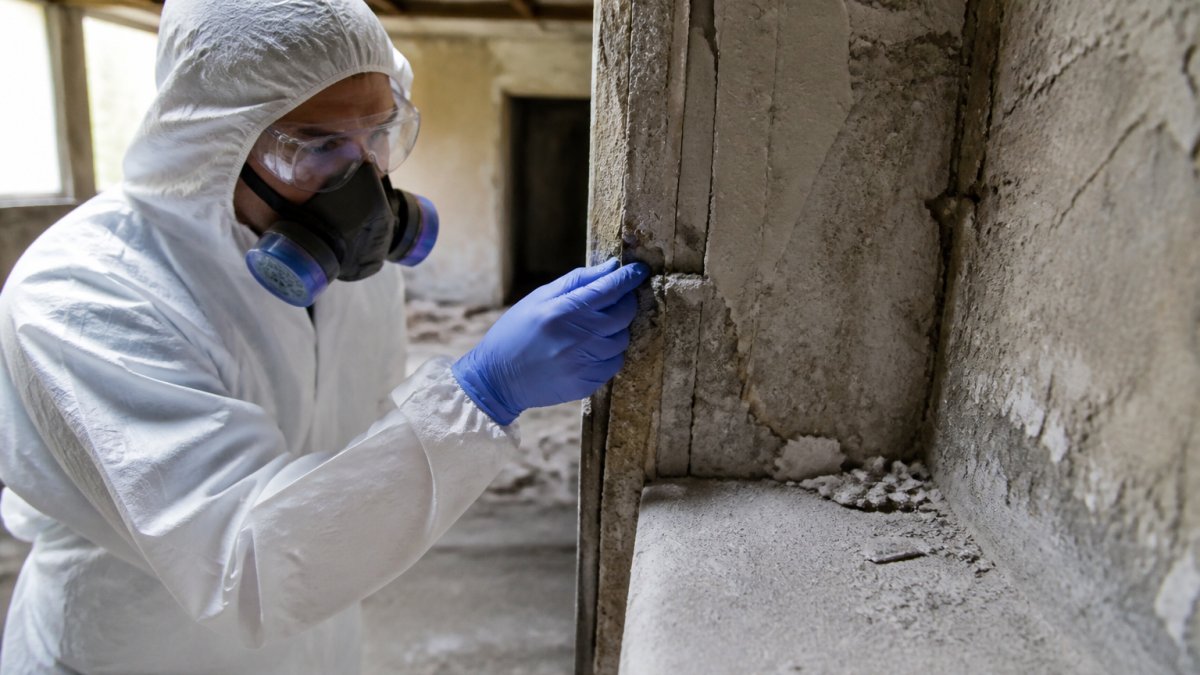
Visual Assessment and Material Identification

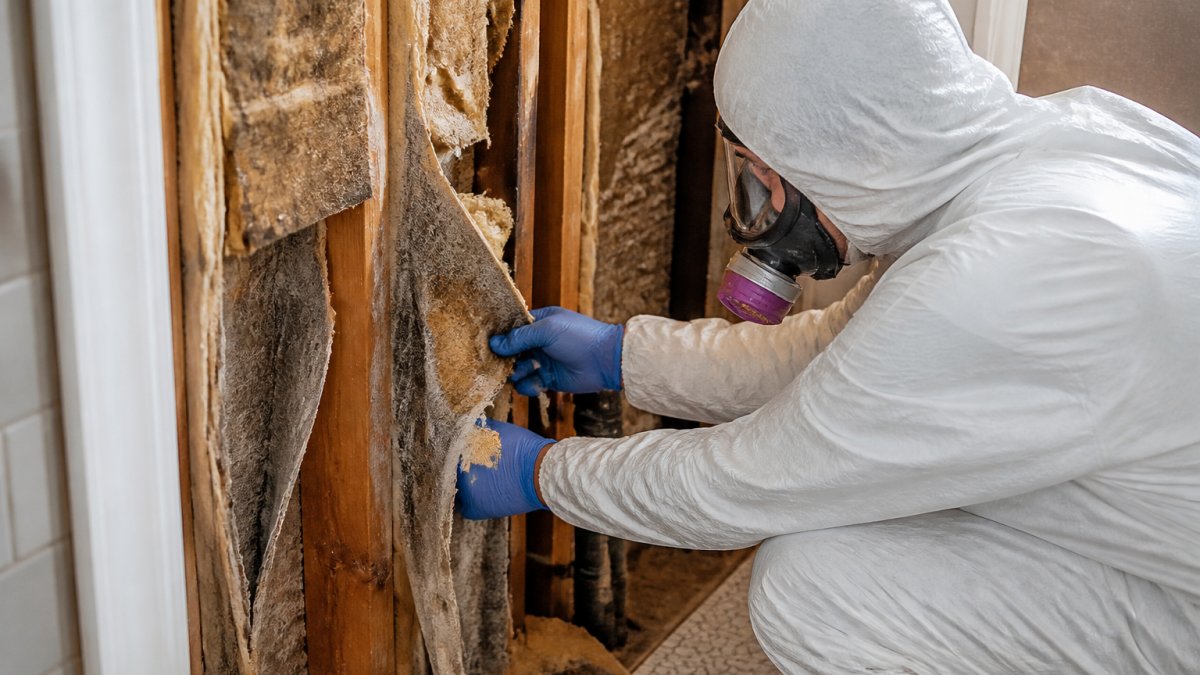
Damaged materials present greater risk because fibers may already be airborne, so an experienced inspector distinguishes stable materials from those needing immediate attention.
The inspector also assesses whether materials are likely to be disturbed during future renovations, a basement floor tile poses different risk than pipe insulation a contractor will handle during remodeling.
Sample Collection and Laboratory Analysis
The inspector then collects bulk samples from representative locations using careful technique to avoid creating airborne fibers, sealing each in a labeled container for an accredited laboratory.
Lab analysis confirms whether materials contain asbestos and identifies the type and percentage. Results become part of the documentation buyers use for negotiation.
When to Schedule an Asbestos Inspection as a Buyer
For a buyer, the question is not just whether to test but when, your contract deadlines, not the inspector's calendar, govern the answer. Get the sequencing wrong and you lose the leverage the results were meant to give you.
Anchor Everything to Your Contingency Period
Most purchase contracts include an inspection contingency, a window after your offer is accepted during which you can investigate and, if you find problems, walk away or renegotiate without losing earnest money.
Work backward from the deadline:
Contingency deadline, the date by which you must have completed your investigations and delivered any repair requests or objections.
Report delivery, allow time for the lab to return results and the inspector to issue a written report (commonly several business days; rush turnaround costs extra).
Scheduling lead time, inspectors book out, sometimes a week or more in busy markets.
Access coordination, the seller has to approve the visit, and occupied homes need notice.
Wait until the last few days and you may not have results before the deadline, forcing you to proceed uninformed or request an extension you may not get.
Coordinate Access Early
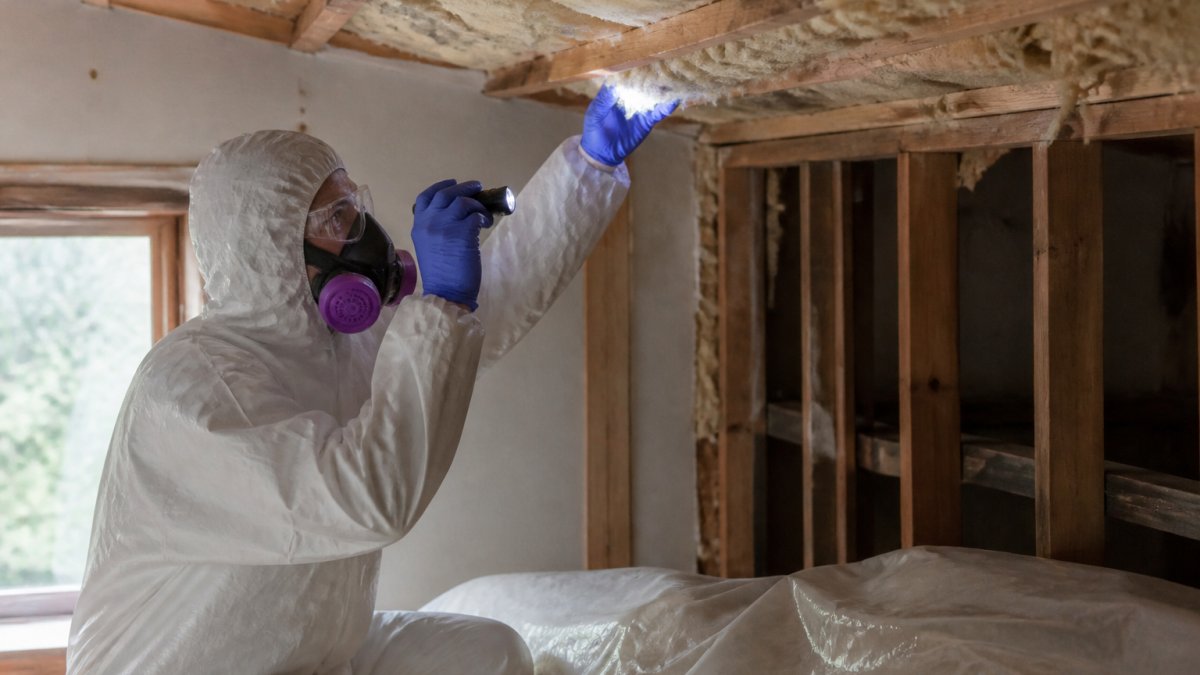
Asbestos sampling is a site visit, not a desk review. The inspector needs access to basements, utility rooms, attics, crawl spaces, and any area with suspect materials, so in an occupied home you must coordinate with the seller or listing agent through your own agent.
Practical points:
Request access in writing through your agent so there's a record.
Confirm whether the seller will be present or whether a lockbox or agent escort is used.
Flag any areas you specifically want tested (a planned kitchen remodel, a finished basement) so the inspector budgets time and samples for them.
Ask whether the inspector will need to move stored items or furniture to reach suspect materials.
How Results Flow Into the Deal
Once you have the report, findings feed directly into your contingency decisions:
No asbestos found, release the contingency on that issue and proceed.
Asbestos found, intact and undisturbed, you may proceed, sometimes documenting a management plan rather than demanding removal.
Asbestos found, damaged or in a renovation area, negotiate: request seller remediation before closing, a price reduction, or a seller credit to hire your own contractor after closing.
Any request must be delivered before your contingency deadline and in the form your contract requires (often written, sometimes on a specific form). Miss the deadline and you may waive the right to object.
If the Seller Already Has a Report
Sellers in older homes sometimes have a prior inspection or abatement record. Review it, but understand its limits: it may cover a narrower scope, predate recent renovations, or miss areas you care about. An independent inspection gives you findings you can rely on and a report your contractor can bid from.
Watch Out Do not assume your general home inspection satisfies the asbestos question. Standard home inspectors typically do not sample for asbestos, so if your contingency period is running and you want testing, you need to schedule it as a separate service, and you need to do it now, not after the general inspection report arrives.
Questions to Ask Before You Book
What is your earliest available appointment, and can you meet my contingency deadline?
How many samples do you expect to collect?
What is your standard lab turnaround?
Will the report specify material location, condition (intact vs. damaged), and sample results?
Can you provide documentation suitable for a remediation contractor to bid from?
Key Takeaway Timing is a contract problem, not a scheduling preference. Book the inspection as early in your contingency period as access allows, confirm the report will arrive before your deadline, and deliver any repair request in the form and timeframe your contract requires.
Asbestos Testing Cost and Budgeting
Understanding how pricing is built lets you estimate your own range instead of waiting on a callback.
How the Cost Is Built
An asbestos inspection quote may include:
Inspection and assessment time to identify suspect materials, document their condition, and mark sample locations.
Collection of bulk samples.
Laboratory analysis to confirm whether materials contain asbestos and identify the type and percentage.
The biggest driver of your bill is how many suspect materials the inspector samples, not square footage.
Realistic Budget Ranges
Pricing varies widely by region, so treat any figure as a planning range rather than a quote.
If your inspection contingency deadline is tight, ask about turnaround times up front rather than discovering it after you've scheduled.
Pro Tip Ask the inspector for an estimated sample count before you book. That single question turns a vague 'it depends' quote into a number you can actually budget against, and it lets you compare two inspectors apples-to-apples.
What Is NOT Included
Your testing invoice covers identification, not action. It does not include:
Removal or abatement, a separate, far larger project priced by contractor, material type, quantity, and containment requirements.
Re-inspection or clearance testing after abatement, often a separate line item.
Repair or replacement of removed materials (new flooring, insulation, patched drywall).
This is the gap buyers most often underestimate. Testing is a modest due-diligence expense; remediation can be an order of magnitude larger, and it depends entirely on scope. That asymmetry is exactly why testing early, before you're committed, is worth the cost.
Budgeting It Into Your Purchase
Treat the inspection fee as a due-diligence line item alongside your general home inspection, sewer scope, and radon test. If asbestos is confirmed, get contractor estimates based on the inspection report before finalizing negotiations, a written estimate tied to specific materials turns 'there might be asbestos' into a defensible number for a price adjustment or seller credit.
Key Takeaway You are not buying a verdict, you are buying documentation. The report is what lets a remediation contractor give you a real number, and that number is what you negotiate with. Budget for the test so you can budget for everything that follows.
What to Do If Asbestos Is Found in a Home
Discovering asbestos does not automatically mean the purchase must be canceled or the property is unsafe. Asbestos-containing materials are manageable through proper handling, and many homes with asbestos have been safely occupied for decades.
Understanding Your Inspection Report
The inspection report documents where asbestos-containing materials are located, their condition, and whether they are intact or damaged, information crucial for understanding actual risk and next steps.
Materials in good condition that are not disturbed pose minimal risk; damaged materials or those likely to be disturbed during renovations require attention.
Review the report carefully and ask your inspector to clarify findings.
Negotiating Repairs and Price Adjustments
Once asbestos is confirmed, buyers have options. Some sellers agree to remediation before closing, removing or encapsulating the materials; others offer a price reduction so buyers can hire their own contractor after purchase.
Negotiating from knowledge strengthens the buyer's position.
Some buyers leave intact asbestos-containing materials undisturbed, implementing a management plan that documents the materials and sets protocols for safe handling if future work is needed, viable when materials are stable and no immediate renovation is planned.
Common Asbestos-Containing Materials in Older Homes
Homes built before the mid-1980s commonly contain asbestos in multiple locations (Asbestos Toxicity: Where Is Asbestos Found? | Environmental Medicine).
Floor tiles and adhesive in basements and utility areas frequently contain asbestos.
Wall insulation in some older homes contains asbestos, as do joint compounds and spackling used in drywall finishing.
Not all materials from this era contain asbestos, presence depends on manufacturer, product, and geography.
Your Responsibilities as a Buyer and Next Steps
As a buyer, your primary responsibility is making an informed decision based on complete information.
Once you have results, review them carefully and consult contractors about remediation costs if needed.
If asbestos is found, decide whether to request seller remediation, negotiate a price reduction, or proceed with your own plan after purchase.
Asbestos Buster provides the clear, accurate reporting buyers need to decide confidently.
Frequently Asked Questions
Do home inspectors check for asbestos during a standard home inspection?
Standard home inspections do not routinely test for asbestos. A general home inspector may visually identify suspect materials and recommend further evaluation, but they cannot collect samples or provide laboratory analysis. A dedicated asbestos inspection by a trained professional is required to confirm the presence of asbestos-containing materials and assess exposure risk.
How much does an asbestos inspection cost?
Asbestos inspection pricing depends on property size, number of suspect materials, sampling locations, and the types of tests needed (bulk samples, air sampling, or laboratory analysis). For an accurate quote tailored to your property, contact a professional inspector directly.
What happens if asbestos is found during an inspection?
If asbestos is confirmed in your inspection report, you have several options: encapsulation (sealing the material), containment (isolating it), or professional removal and abatement. Not all asbestos-containing materials require immediate action if they are intact and undisturbed. Your inspector's report will recommend next steps and help you negotiate with the seller or factor costs into your purchase decision.
When should a home buyer schedule an asbestos inspection?
Schedule an asbestos inspection during the due diligence period before finalizing your purchase, especially if the property was built before the mid-1980s. Timing is critical so you can review findings, negotiate repairs or a price adjustment, and plan for any necessary management or removal before taking ownership.
Can I negotiate a price reduction if asbestos is found in a home I'm buying?
Yes. If your inspection identifies asbestos-containing materials, you can negotiate with the seller to reduce the purchase price, fund professional abatement, or repair damaged materials. Your inspection report provides documentation to support these negotiations. Many buyers factor the cost of management or removal into their final offer.
What are the most common asbestos-containing materials in older homes?
Common asbestos-containing materials include floor tiles, pipe insulation, ceiling materials (popcorn texture and tiles), roofing materials, wall insulation, and joint compound. Materials installed before the mid-1980s are at higher risk. A professional inspection identifies these materials and assesses their condition to determine exposure risk.
Buying a property with confidence requires knowing exactly what you are purchasing. An asbestos inspection for home buyers removes uncertainty about potential hazardous materials and gives you the documentation needed to negotiate effectively and plan safely. Asbestos Buster's professional inspection approach identifies suspect materials, collects samples properly, and delivers clear results so you can move forward with your purchase and renovation plans knowing your property's actual condition.
Schedule an Inspection
Comments