
Cost of Asbestos Testing Nassau: A 2026 Guide
Table of Contents
What Affects the Cost of Asbestos Testing
Asbestos Testing Cost Per Sample Breakdown
Asbestos Air Quality Testing Cost and When You Need It
Understanding Asbestos Lab Testing Turnaround Time and Fees
How to Compare Asbestos Testing Quotes
Step-by-Step Process for Getting Tested
Why DIY Sampling Costs More in the Long Run
Frequently Asked Questions
Last Updated: October 11, 2026
What Affects the Cost of Asbestos Testing
The cost of asbestos testing Nassau depends on several key factors: sample quantity, material type, property size, and turnaround time.
Sample quantity is the primary cost driver. A single-room inspection may require 3-5 samples, while a whole-house assessment could involve 15-20 or more. Bulk sampling (testing solid materials like insulation, drywall, or pipe wrap) costs less per sample than air quality testing, which requires specialized equipment and longer monitoring periods.
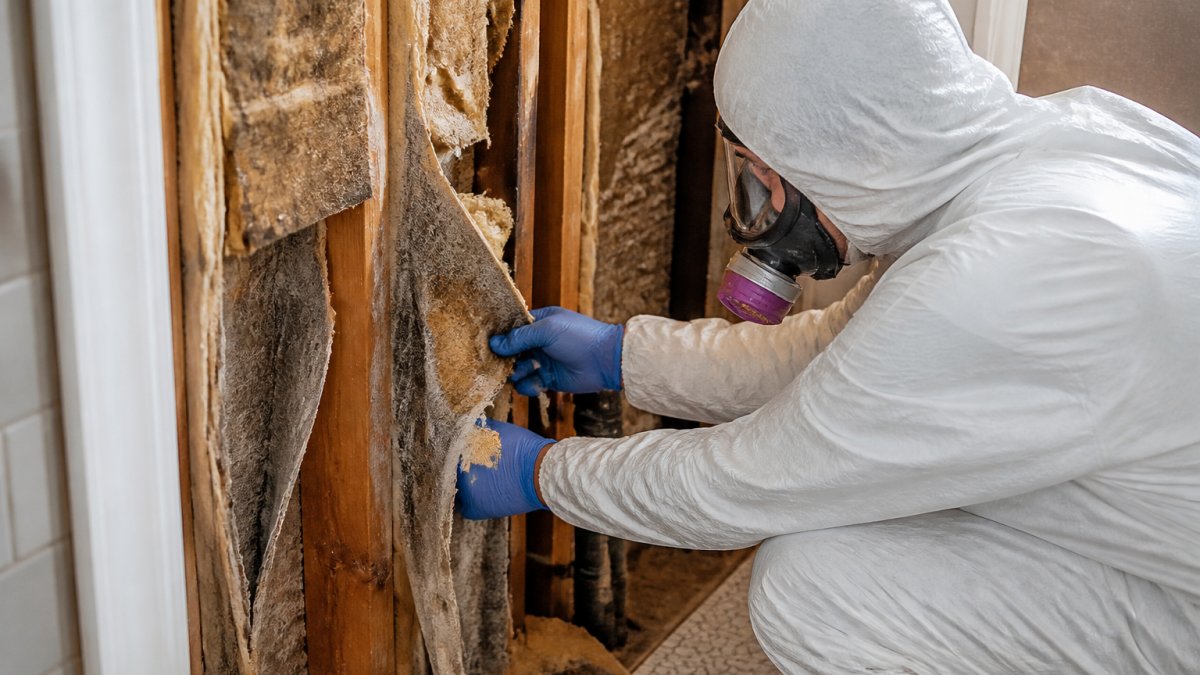
Property size and accessibility affect labor time. A small residential property takes less time than a commercial building. If inspectors must use lifts to reach attic spaces or crawl into tight areas, labor time increases. Friable asbestos (easily crumbled or damaged) may require more careful handling and additional safety precautions.
Turnaround time affects cost: standard lab analysis takes 7-10 business days, but expedited results cost more. Some properties need multiple testing types, bulk sampling plus air quality testing plus settled dust analysis, which compounds total expense.
Pro Tip Ask potential inspectors upfront what is included in their quoted price. Some charge per sample, others charge per material type tested, and still others bundle everything into a flat inspection fee. Clarifying the pricing model prevents confusion later.
Asbestos Testing Cost Per Sample Breakdown
Understanding per-sample pricing helps you compare quotes meaningfully. Most testing services price samples individually, though the rate often decreases with volume.
Bulk sampling, testing solid materials like pipe insulation, floor tiles, or wall materials, is the most common type for residential properties. The inspector collects a small piece, seals it in a container, and sends it to the lab for analysis. Results usually arrive within 7-10 business days.
Air quality testing requires longer monitoring periods and specialized equipment. The inspector places an air pump in the area for 24-48 hours to collect airborne particles. This testing is essential when materials are damaged or occupants have respiratory concerns. Analysis takes 10-14 days.
The inspector collects dust from surfaces using specialized wipes or vacuum filters to detect whether asbestos fibers have migrated into living spaces. It's particularly useful for properties with damaged insulation or deteriorating materials.
Laboratory analysis fees vary by method: standard polarized light microscopy (PLM) and transmission electron microscopy (TEM) provide different levels of fiber identification. Lab fees are typically included in the overall testing quote, but confirm this to prevent billing surprises.
Testing Type | Purpose | Typical Timeline | Best Used When |
Bulk sampling | Identify asbestos in solid materials | 7-10 days | Planning renovations or identifying problem areas |
Air quality testing | Measure airborne fibers | 10-14 days | Materials are damaged or health concerns exist |
Settled dust sampling | Detect fiber migration | 7-10 days | Assessing contamination in living spaces |
TEM analysis | Advanced fiber identification | 14-21 days | Legal documentation or complex disputes |
Asbestos Air Quality Testing Cost and When You Need It
Air quality testing is distinct from bulk material testing and serves a different purpose. It measures whether asbestos fibers are actually present in the air that occupants breathe.
Air testing becomes necessary when bulk sampling confirms asbestos-containing materials with signs of damage or deterioration, or when occupants have respiratory concerns. Real estate transactions sometimes require air testing as part of due diligence.
An air sampling pump runs for 24-48 hours, drawing air through a filter that captures particles. The filter is sent to a laboratory where technicians count and identify fibers under a microscope, comparing results to regulatory action levels.
Multiple air samples from different rooms increase total cost proportionally. Some properties require both baseline and post-disturbance testing, which doubles expense.
Testing should occur when the property is in its normal state, not during active renovation, which artificially elevates fiber levels. Post-disturbance testing should happen after all work is complete and the area has been cleaned, demonstrating that fiber levels have returned to safe ranges.
Watch Out Never assume air quality is safe just because bulk materials tested negative. Even non-friable asbestos can release fibers if materials are disturbed, drilled, or sanded during renovation. Air testing after disturbance is the only way to confirm occupant safety.
Understanding Asbestos Lab Testing Turnaround Time and Fees
Lab turnaround time directly affects project timelines and can influence overall testing costs if expedited results are needed.
Standard laboratory analysis takes 7-10 business days for bulk and settled dust samples. Technicians identify whether asbestos is present, estimate fiber percentage, and document findings in a detailed report. This timeline accommodates most renovation schedules and is the most economical option.
Expedited analysis is available for an additional fee. Rush turnaround, typically 3-5 business days, suits contractors under tight deadlines or buyers needing results before closing.
Lab fees are usually included in the total testing quote, but confirm this to prevent unexpected bills. Some inspectors charge separately for sample collection and lab analysis, while others bundle these into one price.
Sample complexity affects turnaround. Simple bulk samples analyze quickly, while TEM (transmission electron microscopy) samples take 14-21 days. TEM is necessary when legal documentation is required or standard analysis is inconclusive.
Ask inspectors which lab they use and what their typical timeline is to set realistic expectations.
How to Compare Asbestos Testing Quotes
Comparing quotes requires understanding what each inspector includes and ensuring apples-to-apples comparison across providers.
Request detailed written quotes that specify the number of samples, testing methods, lab analysis fees, and timeline for results. A detailed quote breaks down sample collection cost, lab fees, and any additional services like report preparation or consultation.
Ask each provider how many samples they recommend and why. An experienced inspector can justify their sampling plan based on property characteristics, material types, and renovation scope.
Verify that lab analysis fees are included in the quoted price. Some inspectors quote only their inspection labor, leaving lab costs as a surprise. Others bundle everything. Clarifying this prevents budget confusion.
Check whether the quote includes report preparation and consultation. A thorough report explains findings clearly, identifies materials requiring further investigation, and provides recommendations. Some inspectors charge extra for detailed reporting; others include it standard.
Ask about the inspector's credentials and experience. Inspectors should be trained in asbestos sampling techniques and familiar with local building codes. Experience with residential versus commercial properties matters if your property type is specialized.
Compare turnaround times. Standard 7-10 day turnaround is less expensive than expedited service. If your project timeline allows standard analysis, choosing it saves money. If you need faster results, factor that premium into your budget.
Key Takeaway The lowest quote isn't always the best value. A detailed, experienced inspector may identify issues a cheaper provider misses, ultimately saving money by catching problems early.
Step-by-Step Process for Getting Tested
Understanding the testing process demystifies the experience and helps property owners know what to expect.
Step 1: Initial Consultation. Contact a qualified inspector and describe your property and concerns. Provide details about the property age, any known renovations, and materials you suspect may contain asbestos. The inspector asks questions about the building's history and current condition, then recommends a sampling plan. This conversation is often free and helps establish whether testing is warranted.
Step 2: Schedule the Inspection. Once you've selected an inspector, schedule a convenient time. Most inspections take 1-3 hours depending on property size and complexity. Ensure the property is accessible and that occupants are present if the inspector needs to access certain areas. For commercial properties, coordinate with facility managers to minimize disruption.
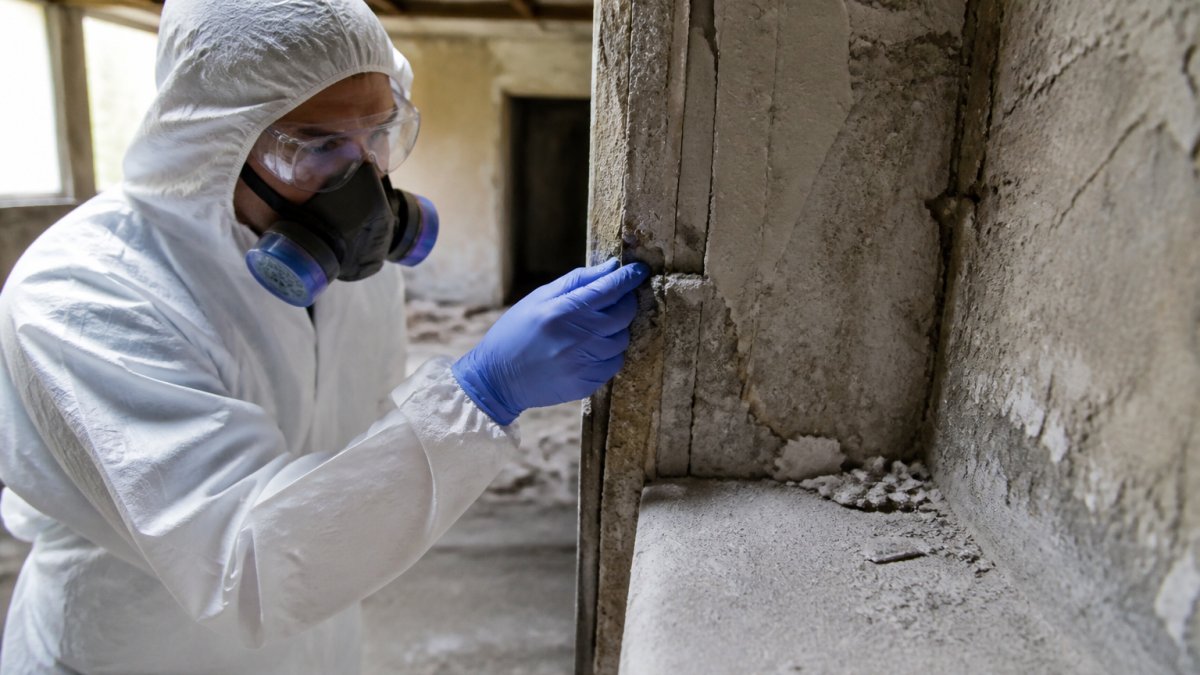
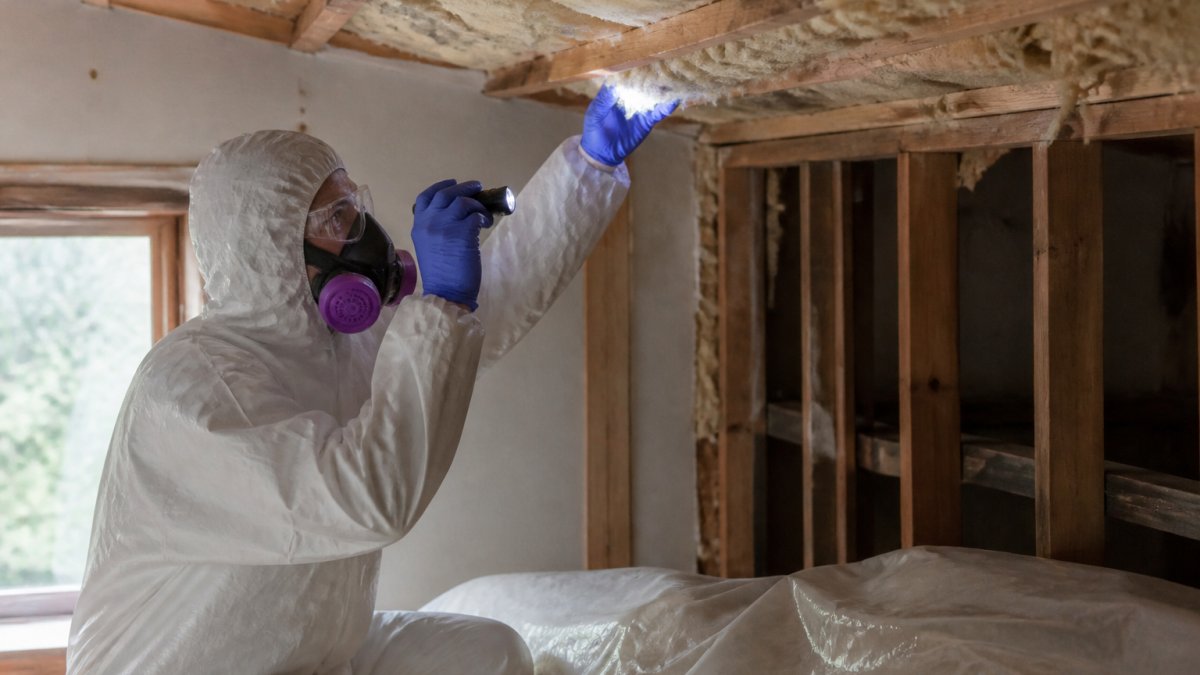
Step 3: Sample Collection. The inspector arrives with protective equipment and sampling tools. For bulk sampling, the inspector identifies suspect materials, carefully collects small samples using proper technique, and seals them in labeled containers. The inspector documents the location and type of each sample photographically. For air testing, the inspector places air pumps in designated areas and leaves them running for the specified duration.

Step 4: Laboratory Analysis. The inspector ships samples to the lab with chain-of-custody documentation. The lab receives the samples, catalogs them, and begins analysis. Standard analysis takes 7-10 business days. Technicians prepare microscope slides, examine samples under magnification, and document findings. The lab generates a detailed report identifying whether asbestos is present and its concentration.
Step 5: Results and Reporting. The inspector receives the lab results and prepares a comprehensive report. The report includes sample locations, lab findings, photographs, and recommendations. The inspector may offer a consultation to explain results and discuss next steps. If asbestos is found, the report typically recommends either monitoring (if materials are in good condition) or removal (if materials are damaged or friable).
Step 6: Decision and Action. Armed with test results, property owners decide on next steps. If no asbestos is found, renovation can proceed without further concern. If asbestos is present but stable, monitoring and careful handling during future work suffices. If asbestos is damaged or friable, removal or encapsulation by a licensed abatement contractor becomes necessary.
Why DIY Sampling Costs More in the Long Run
Attempting to collect asbestos samples yourself creates serious problems that cost far more to fix than professional testing.
DIY sampling carries significant health risks. Asbestos fibers are invisible and inhaling them causes mesothelioma, lung cancer, and asbestosis years or decades later. Disturbing asbestos-containing materials without proper technique releases fibers into the air. Homeowners lack the training, protective equipment, and ventilation controls that professionals use. Even a small mistake, like using a regular saw to cut through suspect insulation, can contaminate the entire property and expose family members to dangerous fibers.
Improperly collected samples are rejected by laboratories. Labs require samples collected using specific techniques, with proper documentation, and chain-of-custody paperwork. A homeowner's sample collected without gloves, placed in a plastic bag, and shipped without sealing may arrive contaminated or unacceptable for analysis. The lab refuses analysis, and the homeowner must hire a professional anyway, now paying for testing twice.
Disturbing asbestos materials creates liability. If family members later develop asbestos-related illness, the homeowner's DIY disturbance becomes evidence of negligence. Insurance may deny claims if the homeowner knowingly disturbed asbestos without professional help. Legal liability and medical costs far exceed the cost of professional testing.
Contamination from DIY sampling requires professional remediation. If a homeowner disturbs asbestos, fibers settle throughout the property. Professional remediation involves HEPA vacuuming, surface cleaning, air filtration, and verification testing, a process costing thousands of dollars. Professional testing upfront costs a fraction of this cleanup.
Inspection reports from professionals carry legal weight in property transactions and regulatory compliance. A homeowner's self-collected samples and amateur testing have no credibility with inspectors, lenders, or regulatory agencies. If the property is later sold or renovated, buyers and contractors will demand professional testing anyway, making the DIY effort worthless.
The cost of asbestos testing Nassau varies based on property size, material types, and testing complexity, but understanding the factors that drive pricing helps property owners budget accurately. Asbestos Buster provides professional inspection and testing services that identify potential hazards clearly and document findings in reports that hold up in property transactions and regulatory reviews. Rather than risking contamination and liability with DIY sampling, professional testing protects both health and investment. To understand the specific cost for your property and get a detailed quote, schedule an inspection with Asbestos Buster today and move forward with confidence.
Frequently Asked Questions
How much does asbestos testing cost in Nassau County?
The cost of asbestos testing varies based on the number of samples, type of testing, and material condition. For an accurate quote tailored to your property, contact a qualified professional who can assess your specific situation. Pricing depends on quantity, scope, and turnaround time requirements.
What affects the cost of asbestos testing?
Several factors influence testing costs: the number of samples needed, type of testing (bulk, air quality, or settled dust), laboratory analysis fees, site accessibility, and turnaround time. Larger properties or those with multiple suspect materials require more samples. Faster results typically cost more. Pre-renovation testing may differ in scope from pre-demolition surveys. Understanding these variables helps you budget accurately.
How long does asbestos lab testing take?
Standard asbestos lab testing turnaround time for routine bulk samples. Expedited results may be available at a higher cost. Air quality testing and TEM analysis may take longer. When planning a renovation or demolition, factor in turnaround time to avoid project delays. Always confirm expected timelines when requesting a quote.
What should I look for when comparing asbestos testing quotes?
When comparing quotes, verify what is included: site visit fee, number of samples, laboratory analysis costs, report delivery format, and turnaround time. Ensure the provider follows proper sampling protocols. Ask whether removal recommendations are included or quoted separately. Beware of quotes that seem unusually low, quality sampling and accurate lab analysis are worth the investment for your safety and compliance.
Schedule an Inspection
Comments