
Contractor Asbestos Testing Requirements: Long Island Guide
Table of Contents
When Asbestos Testing Is Required Before Renovation, Demolition, or Repair
New York Asbestos Survey Requirements for Contractors
New York Asbestos Contractor License Requirements
Inspector Qualifications and the Asbestos Survey Process
Material Sampling, Laboratory Analysis, and Long Island Asbestos Testing Turnaround Time
Understanding Your Asbestos Testing Report for Contractors
What to Do When Asbestos Is Discovered and Next Steps
Frequently Asked Questions
Last Updated: October 21, 2026
When Asbestos Testing Is Required Before Renovation, Demolition, or Repair
Asbestos testing requirements vary based on project scope, property age, and whether work disturbs suspect materials. Before any renovation, demolition, or repair begins on a property built before the mid-1980s, contractors and property owners must determine whether asbestos-containing materials exist on site. This decision directly affects project timeline, cost, and legal compliance.
Testing is legally required when renovation, demolition, or repair work will disturb materials that may contain asbestos. The New York State Department of Labor mandates asbestos surveys before certain projects begin. Properties constructed before 1980 have the highest probability of containing asbestos in insulation, floor tiles, roofing materials, siding, and pipe wrap.
A clear decision framework helps determine necessity. If the property was built before 1980 and the planned work will disturb, remove, or encapsulate any building materials, asbestos testing is essential. If the work is purely cosmetic and does not affect structural materials or mechanical systems, testing may not be required, though a professional assessment is still recommended. Contractors should never assume materials are safe without documentation.
Pro Tip Before hiring contractors for any renovation on a pre-1980s property, request an asbestos survey first. This prevents costly work stoppages if suspect materials are discovered mid-project and protects workers from unintended exposure.
The cost of upfront testing is minimal compared to the expense of halting work, remediating asbestos, and managing regulatory violations. Asbestos Buster helps clarify testing requirements specific to project scope and location.
New York Asbestos Survey Requirements for Contractors
New York State regulations require asbestos surveys under specific conditions. The New York Department of Labor Environmental Health Remediation Program governs asbestos contractor licensing, worker training, and notification requirements. Contractors must understand when surveys are mandatory versus recommended.
Surveys are mandatory before demolition of any structure. The regulation requires that all suspect asbestos-containing materials be identified and documented before demolition begins. Renovation projects that disturb more than a certain threshold of materials also require pre-work surveys. Repair work that involves disturbance of insulation, roofing, or other friable materials requires identification of asbestos content beforehand.
Contractors must notify the New York Department of Labor before beginning demolition or renovation work involving asbestos. Notification typically occurs after survey results are received. The contractor provides details about the scope of work, materials involved, and the licensed abatement contractor who will handle any necessary removal or encapsulation.
The survey report becomes part of the project file and must be available for inspection. Documentation proves regulatory compliance and protects contractors from liability if asbestos is discovered later. Without proper survey documentation, contractors face fines, work stoppages, and potential legal action.
New York Asbestos Contractor License Requirements
Not all contractors can perform asbestos work in New York. The state requires specific licenses for asbestos abatement, inspection, and project management. Understanding these distinctions prevents hiring unqualified workers and ensures regulatory compliance.
A licensed asbestos contractor must hold a New York Department of Labor asbestos contractor license. This license certifies that the individual or company has met training, examination, and insurance requirements. Contractors cannot legally perform asbestos abatement, removal, or encapsulation without this license.
Project supervisors must hold a certified supervisor credential. The supervisor oversees all asbestos work on site, ensures proper containment, monitors air quality, and documents compliance. Supervisors undergo specialized training and pass a certification examination administered by the state.
Abatement technicians must complete asbestos worker training and pass the state examination. Training covers material identification, safe handling, containment protocols, and health hazards. Technicians work under supervisor direction and follow established removal or encapsulation procedures.
Contractors must carry liability insurance and workers' compensation coverage. Insurance protects the contractor, the property owner, and workers in case of injury or exposure. The contractor provides proof of insurance before work begins.
Watch Out Hiring an unlicensed contractor to perform asbestos work exposes the property owner to regulatory violations, potential fines, and liability if workers or occupants are exposed to asbestos. Always verify contractor licenses with the New York Department of Labor before signing an agreement.
Inspector Qualifications and the Asbestos Survey Process
A certified asbestos inspector conducts the survey and collects material samples. Inspectors must meet specific training and certification requirements set by New York State.

Certified asbestos inspectors complete a state-approved training course and pass a certification examination. Training covers material identification, sampling techniques, health hazards, and regulatory requirements. The inspector must maintain current certification and follow continuing education requirements.
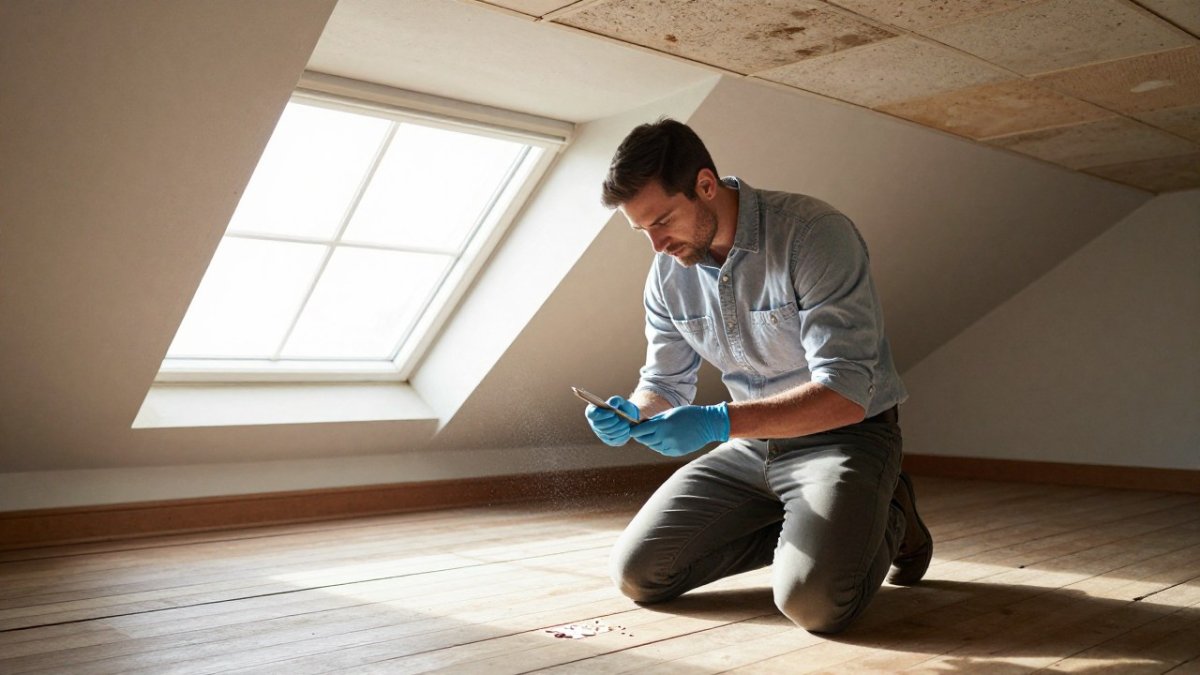
The survey process begins with a visual inspection of the property. The inspector identifies suspect materials based on material type, age, condition, and location.
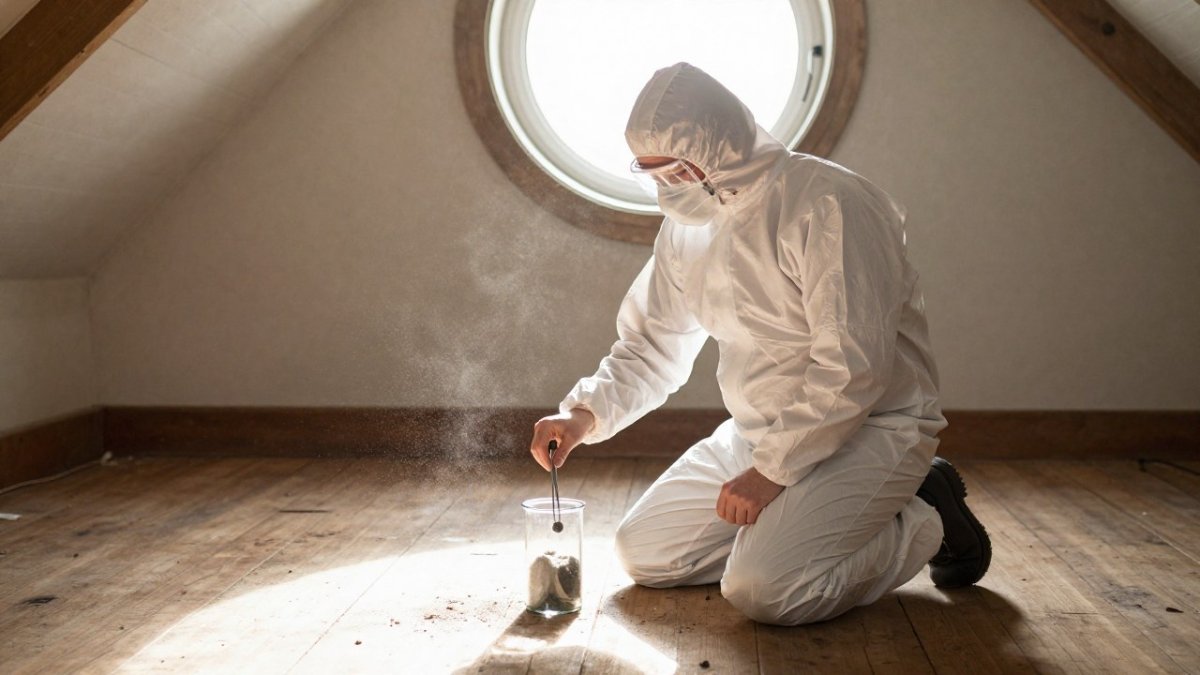
The inspector collects bulk samples of suspect materials for laboratory analysis. Samples are placed in sealed containers, labeled, and sent to a certified laboratory.
Air sampling may be performed if friable materials are present or if disturbance is anticipated. Air sampling measures asbestos fiber concentration in the breathing zone.
The inspector prepares a detailed report documenting all findings. The report includes material descriptions, sample locations, laboratory results, and recommendations for further action. The report serves as the official record for regulatory compliance and project planning.
Material Sampling, Laboratory Analysis, and Long Island Asbestos Testing Turnaround Time
Material sampling is the foundation of accurate asbestos identification. Samples must be collected properly, labeled correctly, and analyzed by a certified laboratory. The Long Island asbestos testing turnaround time directly affects project scheduling.
Bulk sampling involves collecting small portions of suspect materials. The inspector uses specialized tools to collect samples without disturbing the material unnecessarily.
Laboratories analyze samples using established methods. Polarized light microscopy is the standard method for identifying asbestos type and estimating fiber percentage. Transmission electron microscopy provides higher magnification for complex samples.
The Long Island asbestos testing turnaround time typically ranges from 48 to 72 hours from sample collection to report delivery. This timeframe includes sample transport, laboratory analysis, and report preparation.
Air sampling analysis may take longer due to the complexity of fiber counting and identification. Results are typically available within 3 to 5 business days. Settled dust sampling follows similar timelines.
Contractors should plan project schedules with testing delays in mind. If asbestos is identified, additional time is needed for abatement planning and remediation. Asbestos Buster provides rapid turnaround on Long Island asbestos testing.
Key Takeaway Plan for at least 48 to 72 hours from sample collection to results when scheduling renovation or demolition work. This buffer prevents unexpected project delays and allows time for remediation planning if asbestos is found.
Understanding Your Asbestos Testing Report for Contractors
The asbestos testing report is a technical document that contractors and property owners must understand to make informed decisions. The report contains specific information about materials tested, results, and recommendations for action.
The report header identifies the property, owner, and inspector. It includes the inspection date, sample collection date, and laboratory analysis date. The report lists each sample collected with location description and material type.
Laboratory results indicate whether asbestos was detected and in what concentration. Results are reported as a percentage of asbestos fiber in the sample.
The report includes fiber type identification. Chrysotile, amosite, crocidolite, and other asbestos types have different health effects and removal requirements. The fiber type influences the remediation approach and safety protocols.
Recommendations section advises whether materials should be removed, encapsulated, or left undisturbed. Friable materials (easily crumbled) typically require removal. Non-friable materials may be encapsulated or left in place if undisturbed.
The contractor uses the report to plan the next steps. If asbestos is found, the contractor contacts a licensed abatement contractor to develop a remediation plan. If no asbestos is detected, work can proceed without asbestos-specific protocols.
What to Do When Asbestos Is Discovered and Next Steps
Discovering asbestos during a project requires immediate action. Contractors must halt work, secure the area, and notify appropriate parties.
First, stop all work that disturbs the material. Prevent workers and occupants from contact with the suspect material. Secure the area with barriers if necessary to prevent accidental disturbance.
Next, notify the property owner and your supervisor. Document the discovery with photographs if possible without disturbing the material. Do not attempt to remove or encapsulate the material yourself.
Contact a licensed asbestos abatement contractor to assess the material and develop a remediation plan. The abatement contractor determines whether removal or encapsulation is appropriate.
The abatement contractor prepares a project plan detailing containment, removal or encapsulation procedures, and disposal methods. The plan is submitted to the New York Department of Labor for approval if required.
Work proceeds only after the asbestos has been properly remediated and the area has been cleared by air sampling or visual inspection.
The project timeline extends by several days to several weeks depending on the amount of material and remediation method.
Discovering asbestos before work begins is far preferable to discovering it during construction.
Phase | Action | Timeline |
Pre-project | Arrange asbestos survey | 1-2 weeks before work |
Survey | Inspector collects samples | 1 day |
Analysis | Laboratory testing | 24-72 hours |
Planning | Review results and plan remediation if needed | 2-5 days |
Remediation | Licensed contractor removes or encapsulates asbestos | 3-14 days depending on scope |
Clearance | Air sampling and final inspection | 1-3 days |
Project start | Begin renovation or demolition work | After clearance |
According to New York Department of Labor regulations on asbestos contractor licensing, all asbestos work in the state must be performed by licensed contractors who have completed state-approved training and passed certification examinations. The EPA guidelines on identifying asbestos-containing materials in buildings note that materials manufactured before 1980 are more likely to contain asbestos, making pre-1980 properties prime candidates for surveys.
Frequently Asked Questions
When does a contractor need an asbestos survey before renovation or demolition?
Contractors in New York must conduct an asbestos survey before any renovation, demolition, or repair work on buildings constructed before the mid-1980s. New York State Department of Labor regulations require a certified asbestos inspector to assess suspect materials before disturbance. The survey identifies asbestos-containing materials and determines whether containment, removal, or safe handling protocols are necessary. Project scope and building age are the primary factors determining whether testing is legally required.
How long does asbestos testing take in Nassau County and Long Island?
Material collection typically takes 1-4 hours on-site, depending on the building size and number of suspect materials. Laboratory analysis for bulk samples usually takes 24-48 hours. Air sampling and TEM (transmission electron microscopy) analysis may extend timelines by 3-5 business days. Settled dust and vermiculite testing follow similar schedules. Total turnaround from inspection to final report typically ranges from 3-7 business days, allowing contractors to plan project schedules accordingly.
What qualifications must an asbestos inspector have in New York?
New York State requires certified asbestos inspectors to complete a New York Department of Labor-approved training course and pass a certification examination. Inspectors must maintain current certification and comply with the Environmental Health Remediation Program standards. Certified supervisors overseeing abatement work require separate licensing. Contractors should verify inspector credentials before engaging services to ensure regulatory compliance and report validity.
What should be included in an asbestos testing report for contractors?
A complete asbestos testing report must document the inspection date, inspector credentials, building address, materials sampled, laboratory results, and recommendations. The report should clearly identify asbestos-containing materials by location, quantity estimate, and condition. It must include laboratory analysis results and specify next steps: safe handling, containment, or remediation. Clear, jargon-free reporting helps contractors understand findings and make informed project decisions without requiring additional interpretation.
Do I need a contractor license to handle asbestos work in New York?
Yes. Contractors performing asbestos abatement, removal, or disturbance work in New York must hold a New York Department of Labor asbestos contractor license. Licensing requires documented training, passing an examination, and maintaining compliance with state regulations. Different license types cover abatement, operations, and supervision. Unlicensed work violates state law and exposes contractors to significant fines and project shutdowns. Verify contractor licensing before engaging any remediation services.
What is the difference between an asbestos survey and asbestos testing?
An asbestos survey is the visual inspection and assessment conducted by a certified inspector to identify suspect materials and determine what requires testing. Asbestos testing refers to the actual laboratory analysis of material samples collected during the survey. The survey guides which materials are sampled; testing confirms whether asbestos is present. Both steps are required for compliance. A survey without testing leaves uncertainty; testing without a systematic survey may miss critical materials.
Can renovation work begin before asbestos test results are available?
No. New York regulations prohibit renovation, demolition, or repair work from beginning until asbestos testing is complete and results confirm the scope of any required remediation. Starting work before results are available violates state law and creates serious health and liability risks. With 24-48-hour laboratory turnaround available, contractors can typically receive results within 3-7 business days, allowing project schedules to move forward quickly once testing is ordered promptly.
Schedule an Inspection

Comments