
How to Spot Asbestos Risks in Your Home Before Work Starts
Last Updated: November 14, 2026
Quick Summary
Asbestos in residential properties is dangerous mainly when it is disturbed, because cutting, drilling, sanding or breaking the material releases fibers that can be inhaled into the lungs. Intact, undisturbed material generally poses lower risk. Inhaled fibers can cause asbestosis, lung cancer and mesothelioma, often decades after exposure.
Intact asbestos generally poses lower risk than damaged or disturbed material.
Homes built or renovated before the mid-1980s have the highest likelihood of containing asbestos.
Only laboratory analysis of a sample can confirm asbestos; visual inspection cannot.
Stop work, keep people out and do not sweep or vacuum suspect debris.
Most asbestos-related diseases develop 10 to 40 years or more after first exposure.
Planning work on an older home?
Asbestos Buster provides bulk, air and specialized asbestos testing across Nassau County and Long Island.
Table of Contents
What Asbestos Is and Why It Was Used in Homes
Asbestos is a group of naturally occurring silicate minerals that separate into thin, strong fibers. Manufacturers in the United States used it widely from the early twentieth century through the 1980s because it resisted heat, resisted corrosion and insulated well at a low cost. That combination made it a default choice for building materials in older homes. Property owners often discover asbestos hidden in materials they never expected to contain it.
The mineral was added to insulation, floor tiles, roofing, cement siding and pipe wrap. It was valued because it could be mixed into products that otherwise would have cracked or burned. Many of those products remain in place today, quietly doing their job until someone disturbs them.
Where Asbestos Is Found in Residential Properties
Asbestos in residential properties is often tucked into places people rarely examine. Common locations include attic and wall insulation, around heating pipes and ducts, under vinyl or resilient floor tiles and the mastic adhesive beneath them, in popcorn ceilings and textured wall coatings, and in cement siding, roofing shingles and transite panels. Older boilers and furnaces may carry asbestos gaskets, and some garages have asbestos-cement sheeting.
Homes built or renovated before the mid-1980s carry the highest likelihood of containing these materials. The safest assumption for an older property is that suspect materials need sampling before anyone cuts, drills or removes them.
How to Recognize Potentially Asbestos-Containing Materials
Visual inspection alone cannot confirm asbestos in residential properties. Only laboratory analysis of a sample can. Still, a few clues justify testing. Look for loose, fibrous or crumbly insulation on pipes and ducts, gray or white board-like panels, and tiles that are brittle or cracked. Textured ceilings applied before the late 1980s deserve special attention.
Follow these steps before anything else:
Do not touch, scrape or sand the material.
Keep people and pets out of the area.
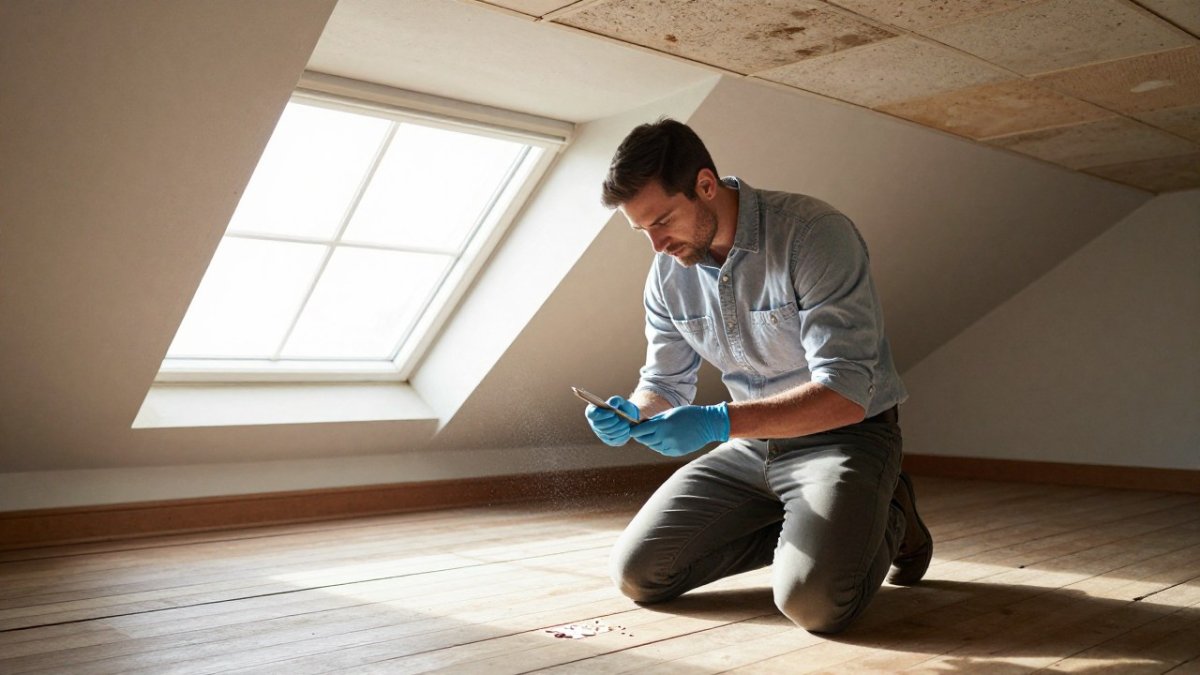
Photograph the material and note its location.
Contact a qualified inspector to collect a sample.
A common mistake is assuming that a material looks harmless because it is intact. For a closer guide to spotting asbestos insulation in an attic, see how to identify asbestos insulation in your attic. Appearance does not settle the question, and sampling is the only reliable answer.
Why Intact Material Is Lower Risk but Damage Changes Everything
Asbestos that remains intact and undisturbed generally poses a lower risk than material that is damaged (the EPA). The fibers are bound within the product and do not readily reach the air. The risk changes when material is cut, drilled, sanded, broken or worn down, because those actions release fibers that can be inhaled.
Age also matters. Over decades, insulation can deteriorate, adhesives can dry out and panels can crack. A product that has been stable for years can become a hazard after a single renovation. That is why the question is rarely whether asbestos exists in a home, but whether it is being disturbed.
How Fibers Enter the Body and Why Exposure Duration Matters
Fibers become a health concern when they are breathed into the lungs. Once inhaled, they can remain in lung tissue for long periods. Exposure duration and intensity both influence risk, and repeated or prolonged contact with released fibers generally increases that risk. A brief, limited exposure during a small repair differs from prolonged disturbance during a major demolition, though neither should be treated casually.
Health Effects: Asbestosis, Lung Cancer and Mesothelioma
Inhaled asbestos fibers are the common thread linking the diseases associated with exposure. Fibers that reach the deep lung can lodge in tissue because the body's clearance mechanisms, mucus transport and macrophage digestion, handle them poorly.
Asbestosis is progressive scarring of lung tissue. Repeated inhalation of high fiber concentrations over years causes inflammation that heals as scar tissue, stiffening the lungs and making breathing labored. It typically appears after sustained occupational or heavy household exposure and can worsen over time even after exposure stops.
Lung cancer is associated with asbestos exposure, and the risk rises sharply when exposure is combined with cigarette smoking. The two exposures interact rather than simply add, which is why smokers with asbestos exposure face a particularly elevated risk.
Mesothelioma is a cancer of the mesothelium, the thin lining around the lungs (pleura) and abdominal organs (peritoneum). It is rare in the general population but strongly associated with asbestos exposure, and it can develop after lower cumulative exposures than asbestosis typically requires.
Latency and dose matter. Most asbestos-related diseases develop 10 to 40 years or more after first exposure. Risk generally rises with the airborne concentration of fibers, the duration and frequency of exposure, and the individual's susceptibility.
Why this matters for a home. Residential exposure is usually lower and more intermittent than occupational exposure, but renovation, demolition, and deteriorating insulation can create concentrated releases in enclosed spaces.
The three main asbestos-related diseases differ in how they develop and how long they take to appear.
Condition | What it is | Typical timing |
Asbestosis | Progressive scarring of lung tissue | Follows repeated high exposure over years |
Lung cancer | Risk rises sharply when combined with smoking | Interacts with smoking rather than simply adding |
Mesothelioma | Cancer of the pleura or peritoneum | Often decades between exposure and diagnosis |
Most asbestos-related diseases | Develop after first exposure | 10 to 40 years or more |
Room-by-Room Checklist and a Decision Tree for Suspected Damage
This section claims a gap most competitors miss: a practical, room-by-room material checklist paired with a stepwise decision path for suspected damage. Use it to organize what you see, not to confirm what a material contains, appearance alone cannot do that.

Room-by-room material checklist
Basement and utility areas: pipe wrap and elbow insulation, boiler and furnace insulation, duct joint compound, gaskets, and older floor tile with black mastic.
Attic: loose-fill insulation, batt insulation, pipe and duct wrap, and vermiculite-style loose fill.
Kitchen and bathrooms: resilient floor tiles and the mastic beneath them, wall and ceiling coatings, and backing board behind older appliances.
Living areas and bedrooms: textured or popcorn ceilings, ceiling tile, fireplace surrounds and hearth board, and window or door caulking in very old homes.
Exterior and garage: cement siding, roofing shingles and felt, transite panels, and garage ceiling sheeting.
For each item, note the material type, its condition (intact, cracked, crumbly, water-damaged), and whether anyone has cut, sanded, or drilled it. Condition and disturbance history matter more than the material's age alone.
Decision path for suspected damaged material
Stop work immediately. Put down tools, turn off fans and HVAC that could spread dust, and do not continue demolition.
Limit access. Keep people and pets out of the area, close doors, and avoid walking through debris.
Do not clean up dry. Do not sweep, vacuum with a household vacuum, or use a shop vac, these can aerosolize fibers (the EPA). Do not bag or move debris yourself.
Document from a distance. Photograph the material and note its location and condition without touching it.
Call a qualified professional. A qualified inspector can assess the material and collect samples safely.
If sampling is negative, keep the report with your property records and proceed with the project, re-testing if you disturb additional suspect materials.
Watch out: the most common failure is starting demolition before testing. Once debris is mixed and spread, sampling becomes harder, cleanup costs rise, and the project stalls, testing first is almost always cheaper than remediating a contaminated work area.
What professional inspection and testing actually involve
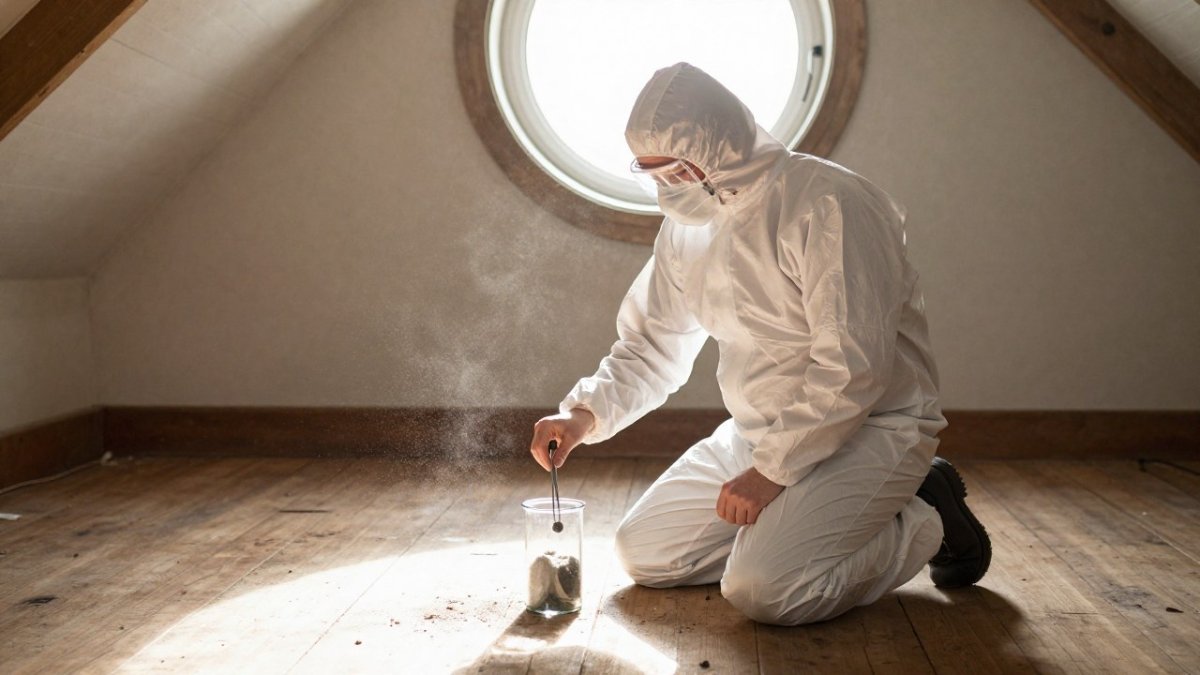
A qualified inspector typically walks the property, identifies suspect materials by location and era, and collects small samples to limit fiber release. DIY sampling is discouraged because cutting into suspect material can release fibers and because a poorly collected sample can produce a misleading result. Ask whether the inspector is licensed or certified and whether the lab is accredited.
Children, Tenants and DIY Renovators: Who Faces the Highest Risk
Some household members face greater consequences from disturbed asbestos. Children breathe more air relative to their body weight and have many years ahead in which disease could develop. Tenants often have no control over renovation decisions in a building they rent, which makes landlords responsible for disclosing and managing suspect materials. DIY renovators face the highest personal risk because they often cut, sand or demolish without knowing what they are disturbing.
Landlords, contractors and homeowners in Nassau County and Long Island should treat older properties as potentially containing asbestos until testing proves otherwise. Clear communication with everyone living or working in the building is part of responsible management.
Scheduling Professional Testing Before Your Next Project
Professional testing is the most reliable way to know what a property contains before work begins. Asbestos Buster offers bulk, air, TEM, settled dust, vermiculite, soil and specialized sampling to identify materials and guide the next steps. Explore the asbestos testing services to see which sample types fit your project, and review asbestos testing cost for home renovation planning so you can budget before scheduling. Pricing depends on the number of samples, the property and the testing required, so contact the team for a quote.
For a clear assessment before demolition or remodeling, request an inspection or quote from Asbestos Buster. Clear, accurate reporting helps you decide what to do next, whether that means monitoring stable material, sealing it or arranging licensed removal. Schedule an Inspection today and move forward with confidence.
Frequently Asked Questions
Is it okay to live in a house with asbestos?
In many cases, yes. Asbestos-containing materials that are intact, sealed and undisturbed generally pose lower risk, and occupants can usually stay while those materials remain in good condition. The concern rises when material is crumbling, water-damaged or being cut, drilled or sanded, because those actions can release fibers into the air. If you suspect a material is damaged, avoid disturbing it, keep people and pets out of the area, and arrange for a professional inspection and laboratory testing before any work begins. Asbestos Buster offers inspection and testing for homes across Nassau County and Long Island; contact the company for current pricing or a quote.
Will 30 minutes of asbestos exposure hurt you?
A single brief exposure is unlikely to cause a serious disease on its own, because asbestos-related illnesses are generally linked to cumulative exposure over time. That said, the amount of fiber in the air depends on how the material was disturbed, how long the disturbance lasted and how well the area was ventilated. Any unnecessary exposure is worth avoiding. If you believe you were exposed to a significant release, stop the activity, leave the area, limit further contact and speak with a physician about your concerns. Long latency means symptoms can take decades to appear, so keeping records of when and where exposure occurred can be useful.
What are the first signs of asbestos in a house?
Asbestos cannot be identified by sight alone, and many asbestos-containing materials look identical to products that do not contain it. Warning signs that a material may contain asbestos include older homes built before the mid-1980s, textured ceilings, pipe or duct insulation with a fibrous or cement-like appearance, vinyl floor tiles and mastics, and loose-fill attic insulation. Visible damage such as crumbling, water staining, tears or dust near a material also raises concern. Because only laboratory analysis can confirm asbestos, treat any suspect material as potentially hazardous until it has been sampled and tested.
What houses are most likely to have asbestos?
Homes built before the mid-1980s are the most likely to contain asbestos, since the material was widely used in insulation, flooring, roofing, siding and cement products during that period. Older homes on Long Island and throughout Nassau County may contain asbestos in pipe wrap, boiler insulation, popcorn ceilings and floor tiles. Renovations, additions or repairs done in older homes can also disturb materials that were installed earlier. Buyers, renovators and landlords should plan for testing before any work that could disturb these materials.

Comments