
Asbestos Safety for New Homeowners: 10 Tips to Follow
Quick Summary
The most important asbestos safety tips for new homeowners are to test before any renovation, leave intact materials undisturbed, avoid sanding, cutting or sweeping suspect debris, and hire a qualified professional for testing and removal. Homes built before the mid-1980s carry the highest risk.
Materials installed before the mid-1980s carry the highest risk of containing asbestos.
Leave intact asbestos materials undisturbed, since damaged or crumbling materials release fibers.
Never sand, scrape, drill, cut, sweep, dust or vacuum suspect materials or debris.
Test suspect materials by laboratory analysis before scheduling any renovation work.
After an accidental disturbance, leave the area, keep others out, and call a qualified professional.
Planning a renovation in an older home?
Asbestos Buster provides clear, accurate asbestos testing and reporting for Nassau County and Long Island properties.
Table of Contents
Why Asbestos Matters in Older Homes Like Yours
Last Updated: November 22, 2026
If your home was built before the mid-1980s, it may contain asbestos. Homeowners often discover this fact only when a renovation starts. Following these asbestos safety tips starts with knowing that most asbestos is safe as long as it stays intact and undisturbed. The risk comes from fibers released into the air when materials are cut, broken, sanded, or demolished.
Asbestos is a naturally occurring mineral fiber once used widely in building materials for its heat resistance and durability. When its fibers become airborne and are inhaled, they can cause serious lung disease, including asbestosis, mesothelioma, and lung cancer (Asbestos | ToxFAQs™). The Environmental Protection Agency (EPA) regulates asbestos under the Clean Air Act and the Asbestos Hazard Emergency Response Act (AHERA), and it recommends that homeowners hire qualified professionals for testing and removal (the EPA).
Pricing depends on the number of samples, turnaround time, and the type of testing, so contact Asbestos Buster for a current quote before you schedule work.
The ten asbestos safety tips below are grouped by what you need to do at each stage of owning an older home. Work through them in order, and you will know where the risks are, what to leave alone, and when to call a professional.
Tip 1-3: Where Asbestos Hides and How to Spot Likely Materials
Asbestos was used in hundreds of products, so you cannot identify it by sight alone. Start by learning where it most often appears in older homes.
Tip 1: Check the common hiding spots. Look at pipe and boiler insulation, floor tiles and their adhesive, ceiling tiles, textured "popcorn" ceilings, and vermiculite attic insulation. Siding, roofing, and cement board can also contain asbestos.
Tip 2: Know the age clues. Materials installed before the mid-1980s carry the highest risk. Your home's build date and renovation history tell you a lot about what might be inside the walls.
Tip 3: Treat every suspect material as positive until tested. You cannot confirm asbestos without laboratory analysis. Assume a suspect material contains asbestos and handle it accordingly until a sample proves otherwise.
The article names several common hiding spots and age clues for asbestos in older homes.
Material | Where it appears | Risk note |
Pipe and boiler insulation | Pipes and boilers | Common hiding spot |
Floor tiles and adhesive | Floors | Common hiding spot |
Ceiling tiles and textured popcorn ceilings | Ceilings | Common hiding spot |
Vermiculite attic insulation | Attics | Common hiding spot |
Siding, roofing, cement board | Exterior | Can contain asbestos |
Build date before mid-1980s | Whole home | Highest risk materials |
Tip 4-6: Leave Intact Materials Alone and Stop Disturbing Them
Intact materials in good condition are usually safe to leave in place. Undamaged asbestos materials generally pose little risk, while damaged or crumbling materials can release fibers.

Tip 4: Leave intact materials undisturbed. A floor tile that is cracked-free and firmly attached can usually stay put. Moving it creates the risk.
Tip 5: Avoid sanding, scraping, drilling, or cutting. These actions break materials apart and release fibers into the air. Do not start a project on a suspect wall or ceiling without testing first.
Tip 6: Do not sweep, dust, or vacuum debris. Ordinary vacuums and brooms spread fine fibers. If you find loose debris, stop, keep people away, and call a professional.
Tip 7-8: Protect Your Household and Keep Dust Out of the Air
Household members, pets, and visitors can be exposed, so limit access while work is pending and plan around the people who live there.
Tip 7: Restrict access to the area. Keep children and pets out of rooms with suspect materials. Tell renters and household members about the risk before any work begins, and agree on which rooms stay off-limits until testing is complete.
Tip 8: Control dust. If disturbance is unavoidable, use wet methods, a fine mist, and sealed containment. Ventilation alone does not remove fibers.
New-homeowner move-in checklist. The first days after purchase are the best time to get ahead of asbestos risk, before furniture and routines make it harder to inspect and contain areas.
Review the seller's disclosures and any prior inspection or renovation records for mentions of asbestos, popcorn ceilings, old floor tile, or pipe insulation.
Note the home's construction date and any later renovation history; materials installed before the mid-1980s carry the highest risk, but age alone cannot confirm asbestos.
Walk the home and list suspect materials room by room, including pipe and boiler insulation, floor tiles and adhesive, ceiling tiles, textured ceilings, and vermiculite attic insulation.
Decide which rooms will be off-limits if a suspect material is damaged, and tell everyone in the household before move-in day.
Schedule any testing before you start painting, drilling, or removing fixtures.
Age and renovation history context. A home built before the mid-1980s is more likely to contain asbestos, and later renovations can either cover old materials or leave fragments behind. Treat the build date and renovation record as clues, not proof.
Watch out: ordinary vacuums and brooms spread fine fibers, so do not clean up suspect debris yourself while you wait for a professional assessment.
Tip 9: Plan Renovations and Testing Before Any Work Starts
Renovation is the most common way homeowners disturb asbestos, and the hiring decision is where most of the risk is decided. Plan the testing and contractor steps before you pick up a tool or sign a work order.
Tip 9: Test first, then schedule the work. A professional inspection tells you what is present and where. Share the results with your contractor so they can plan safe work and avoid surprise costs.
The testing process typically includes:
A visual inspection of suspect materials
Bulk sampling sent to a laboratory
Air monitoring during or after work, when needed
A written report that lists findings and recommendations
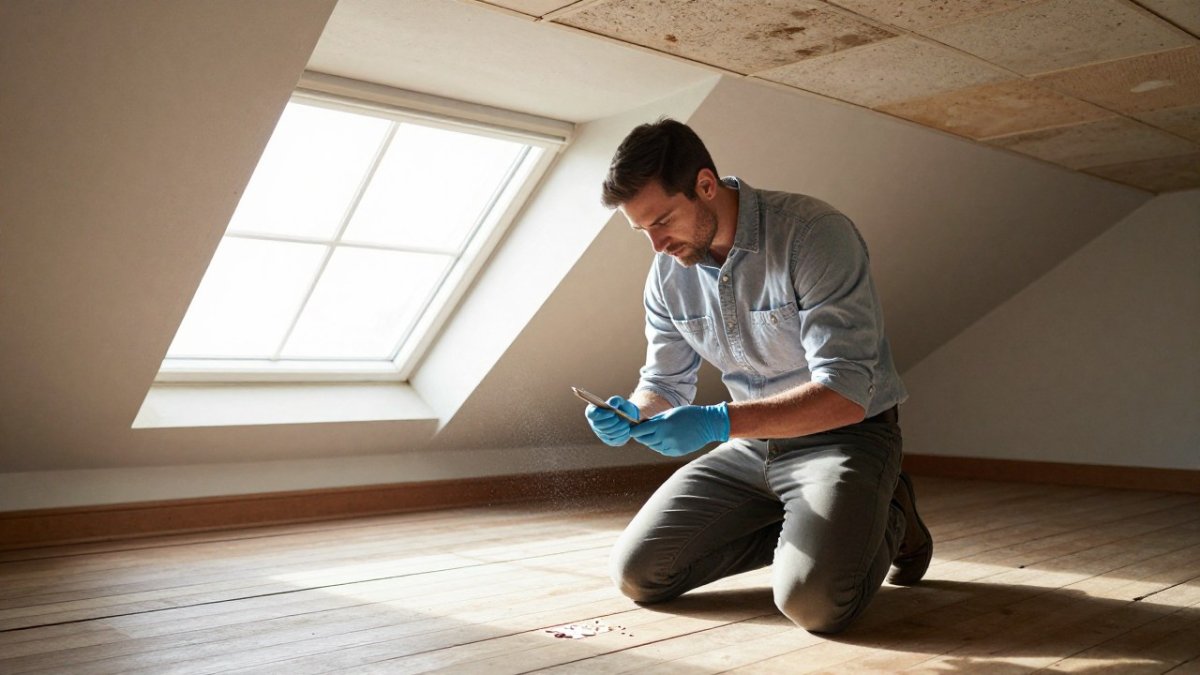
Testing has limits. A single sample may not represent an entire material, so ask your inspector how many samples they will take and why. Homeowners should not pull samples themselves; improper collection can spread fibers and contaminate the lab result.
How to choose and verify a qualified inspector or abatement contractor. Licensing and certification rules vary by state, so ask for the specific credential your state requires and verify it with the issuing agency before you sign. A common pattern is to separate the inspector from the abatement contractor so the same company does not test its own work. Ask each candidate:
Are you licensed or certified for asbestos inspection or abatement in this state, and what is your license number?
Will you provide an independent laboratory report and the chain-of-custody paperwork?
What is the written scope: which materials, which rooms, how many samples, and what clearance criteria?
How will you contain the work area, and what documentation will you give me at the end?
Who performs the final clearance check, and can I see the results before I pay?
Watch out: a quote that skips the written scope, containment plan, or clearance documentation is a warning sign, not a bargain.
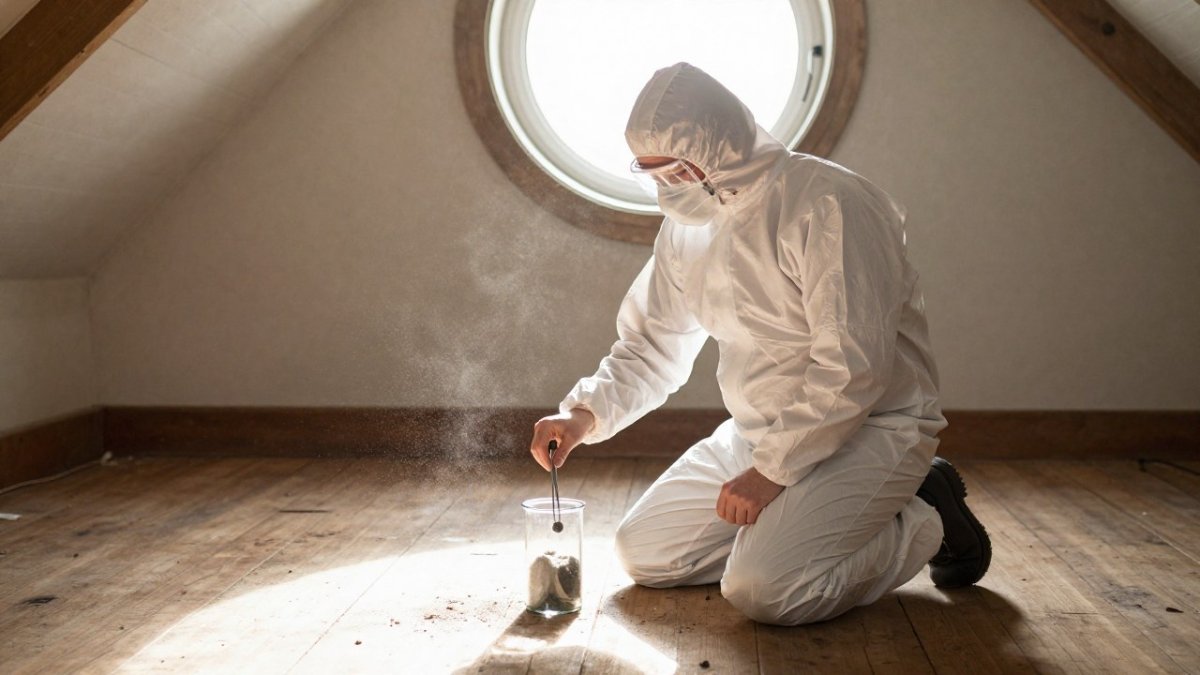
What to do after accidental disturbance. If you break a tile or drill into a suspect wall, stop work, keep people and pets out of the area, avoid sweeping or vacuuming the debris, and call a qualified professional to assess and clean the space. Ask for air monitoring before the area is reoccupied.
Tip 10: What to Do After an Accidental Disturbance
Accidents happen. If you break a tile or drill into a suspect wall, act quickly and calmly.
Leave the area and close the door.
Keep others out, including children and pets.
Do not clean up the debris yourself.
Call a qualified asbestos professional to assess and clean the area.
Ask for air monitoring to confirm the space is safe to re-enter.
Asbestos Buster provides clear, accurate reporting and expert sampling to help you document the disturbance and understand the findings.
Booking Your Asbestos Inspection Before Move-In or Renovation
Before you move in or start a renovation, get a professional inspection. Asbestos Buster provides bulk, air, TEM, settled dust, vermiculite, soil, and specialized asbestos testing to guide your next steps. You can schedule an asbestos inspection and review the sample types covered before you commit.
Costs vary with the number of samples, the testing method, and how fast you need results. For a sense of what to expect, read what professional asbestos air monitoring costs. Then request an inspection or quote from our team.
If you are still deciding whether a material can stay, read 3 reasons intact asbestos floor tiles are usually safe. If testing finds asbestos and you need removal, how to safely remove asbestos materials explains what licensed professionals do.
For a quick start, ask our team to schedule an inspection before your renovation begins. Schedule an Inspection.
Frequently Asked Questions
Is it safe to live in a house with asbestos?
Often, yes, as long as the materials are intact, undamaged and not being disturbed. Asbestos fibers become a health concern mainly when they are released into the air, usually through sanding, scraping, drilling, cutting or demolition. A professional inspection can determine whether suspect materials are in good condition and whether any repair or renovation work needs special handling. If materials are crumbling, water-damaged or already disturbed, limit access to the area and contact a qualified inspector before anyone continues living nearby.
How do I know if I have asbestos in my house?
A house built before the mid-1980s may contain asbestos in floor tiles, pipe insulation, textured ceilings, siding, roofing and older insulation. Visual clues alone are not reliable, because asbestos cannot be identified by looking at it. Bulk sampling by a qualified professional, with laboratory analysis, is the only way to confirm. Asbestos Buster offers bulk, air, TEM, settled dust, vermiculite and soil testing; contact the company for current pricing or a quote.
What should I do if I find asbestos in my house?
Stop work in the area, avoid touching or disturbing the material, and keep others out of the room. Do not sweep, vacuum or wipe up debris, because that spreads fibers. Close off the space if possible and arrange for a qualified inspector to sample and assess the material. If the material needs removal, use a licensed abatement contractor and ask for documentation of the work. Keep your inspection report with your property records.
Is asbestos safe if it is in good condition?
Intact asbestos-containing materials in good condition generally pose a lower risk because fibers are not being released. The risk rises when materials are damaged, deteriorating, friable or disturbed by renovation, repair or demolition. Good condition does not mean the material is risk-free, so any planned work should start with an inspection and a plan that keeps the material undisturbed or handles it properly.

Comments