
3 Reasons Intact Asbestos Floor Tiles Are Usually Safe
Last Updated: November 12, 2026
Quick Summary
Intact asbestos floor tiles are usually low risk because their fibers stay locked inside the material and rarely reach the air. The danger comes from disturbing them by sanding, scraping, drilling or dry sweeping, or from damage like cracks, lifting or crumbling.
Asbestos health risk comes mainly from disturbing material that releases fibers, not from asbestos simply being present.
Warning signs include cracked, crumbling, lifting or water-damaged tiles, plus powdery residue around floor edges.
Avoid sanding, grinding, scraping, drilling and dry sweeping, since these can release fibers into the air.
Black mastic adhesive can contain asbestos and is often the more sensitive material during renovation.
Testing is the only way to know for certain, and professional sampling is safer for most renovation projects.
Table of Contents
What Asbestos Floor Tiles Are and Why They Were Used
Intact asbestos floor tiles are resilient flooring squares that were widely installed in American homes and buildings for decades. Many were made from vinyl composition tile (VCT) that contained asbestos fibers mixed into the material. Manufacturers prized them because asbestos added strength, heat resistance and durability.
If your home was built before the mid-1980s, your floors may contain these tiles. Many older houses on Long Island still have their original flooring under newer carpet or vinyl. You cannot tell by looking alone, which is why testing matters.
Asbestos tiles usually came in 9-inch squares and were set in place with black mastic adhesive. That adhesive often contained asbestos too. Homeowners who want a broader overview can read about the EPA's guidance on asbestos in the home.
Why Intact Asbestos Floor Tiles Are Usually Low Risk
Here is the core answer. Asbestos floor tiles that are intact, undamaged and left alone generally release very few fibers. The fibers stay locked inside the material, so they do not easily reach the air you breathe.
Health risk comes from fibers getting into the air. Intact tiles on the floor rarely do that on their own. Walking on them, vacuuming them gently or living above them is generally considered low risk.
The U.S. Environmental Protection Agency explains that the danger comes mostly from disturbing materials that release fibers, not from simply having asbestos present in a building. EPA guidance on asbestos health risks describes this distinction in detail.
What Makes Tiles Non-Friable
Friable asbestos crumbles easily under hand pressure. Non-friable material holds its shape and binds fibers tightly. Vinyl floor tiles are considered non-friable when they remain in good condition.
Because the fibers are bound into a hard vinyl matrix, they are not easily released. This is the main reason intact tiles are treated differently from loose insulation or spray-applied materials.
The Role of Black Mastic Adhesive
Black mastic is the sticky adhesive under many asbestos tiles. It can also contain asbestos, and it is often the more sensitive material. Mastic does not crumble like insulation, but it can be damaged when scraped, sanded or ground.
Many homeowners find the adhesive is the real concern during renovation. Leave it undisturbed when possible.
Signs Your Asbestos Tiles Are Becoming a Hazard
Intact tiles can change over time. Watch for these warning signs:

Cracked, broken or crumbling tiles
Tiles that lift, curl or come loose at the edges
Powdery residue or debris around the floor edges
Gouges, deep scratches or worn spots that expose the backing
Water damage that softens or warps the tile
Any of these means the material may be releasing fibers. Keep foot traffic off the damaged area and avoid cleaning it with a regular vacuum or broom. Contact a qualified professional for an assessment. Asbestos Buster offers inspections for homes across Nassau County and Long Island if you want a clear answer.
Activities That Can Turn Intact Tiles Into a Hazard
Even tiles in good shape can become dangerous when they are disturbed. The most common triggers include:
Sanding or grinding the tile or adhesive
Drilling or cutting through the floor
Scraping tiles off the subfloor
Dry sweeping or using a standard vacuum that spreads dust
Stripping old wax with aggressive methods
A common mistake is starting a DIY floor replacement without testing first. Pulling up a single tile can release fibers into the room and throughout the house. Plan any work with testing and proper protection in mind.
Can You Paint, Cover, or Encapsulate Asbestos Tiles?
Covering or sealing intact tiles is often a practical path when the tile is in good shape. The goal is to keep fibers bound in the vinyl matrix and avoid the sanding, scraping and grinding that release them. There are three common approaches, and they are not interchangeable.
Encapsulation with a sealant or coating. A penetrating or film-forming sealer is applied over the tile and, ideally, the mastic at the edges. This locks down surface fibers and makes the floor easier to clean. A product labeled for resilient flooring and applied per the manufacturer's directions is the appropriate choice; a generic floor paint is not the same thing. The coating must remain intact, so high-traffic areas may need recoating every few years.
Overlay with new flooring. A new floor, luxury vinyl plank, engineered hardwood, ceramic tile or carpet, is installed directly over the existing tile, usually with an underlayment or leveling compound. This is the most common choice in occupied homes because it avoids demolition dust entirely. The trade-off is added floor height at doorways, transitions and under appliances, and the asbestos stays in the building for the next owner.
Removal by a licensed abatement contractor. This is the only option that takes the material out of the building. It is also the most expensive and the most disruptive, and it can be subject to notification and disposal rules. Removal makes sense when the tiles are already damaged, when a full renovation will disturb the subfloor, or when a buyer or lender requires a clean report.
A simple way to decide: if the tiles are intact and you are not planning major demolition, encapsulation or overlay is an option to consider. If the tiles are cracked, lifting or water-damaged, or if the subfloor itself must come up, plan for professional removal rather than trying to seal over a failing surface.
Watch out: painting over damaged or curling tiles can trap moisture and cause the coating to peel, which then requires sanding, the exact activity you were trying to avoid. Do not sand, scrape or use a chemical stripper to prep an asbestos tile surface for paint.
Covering or encapsulating is not the same as removal. The material stays in the building, so future renovations must account for it. Record where the tiles are, photograph the edges and keep the documentation with your property records. A qualified inspector can confirm whether the tile and mastic actually contain asbestos before you commit to a method, and can advise whether removal is the better long-term choice for your project.
Testing Options: DIY Kits Versus Professional Lab Analysis
Testing is the only way to know for certain whether your floor contains asbestos, and the two routes differ less in lab quality than in who controls the sample. Both send material to an accredited laboratory; the difference is the sampling step, which is where the hazard and the errors live.
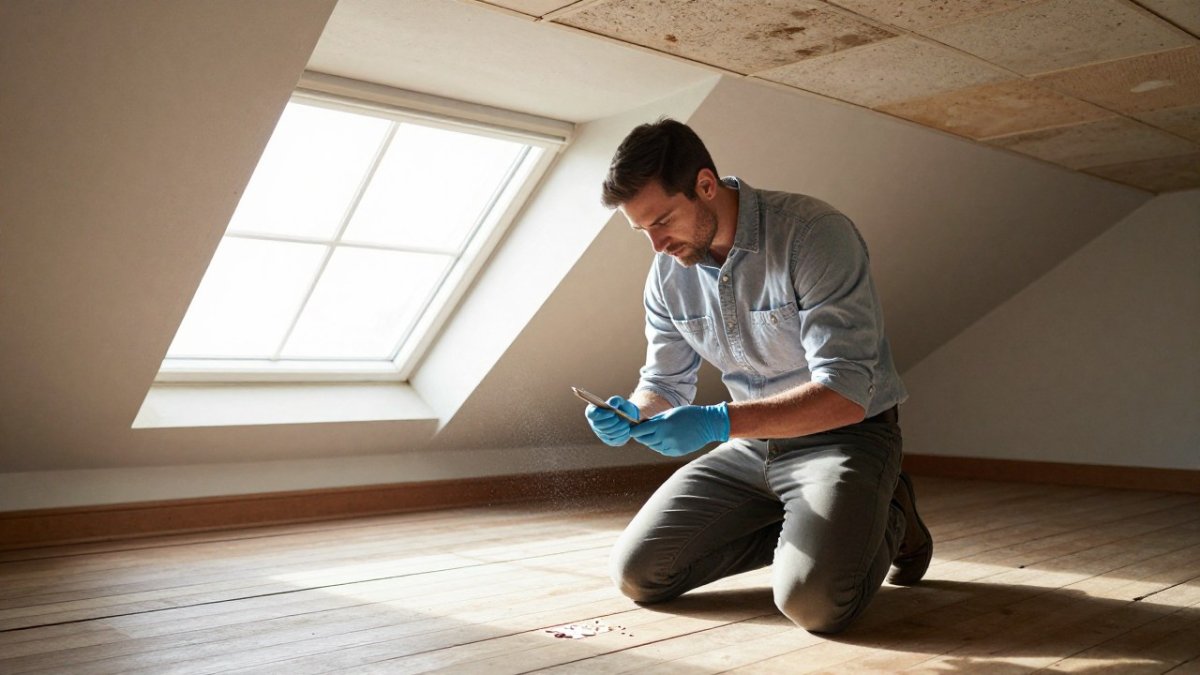
DIY test kits. These are inexpensive and easy to order online. You collect a small sample, typically a chip of tile and a bit of mastic, place it in the supplied bag, and mail it to the kit's lab. The lab result is usually reported as a percentage of asbestos by material. The kit itself is safe; the sampling is the risk.
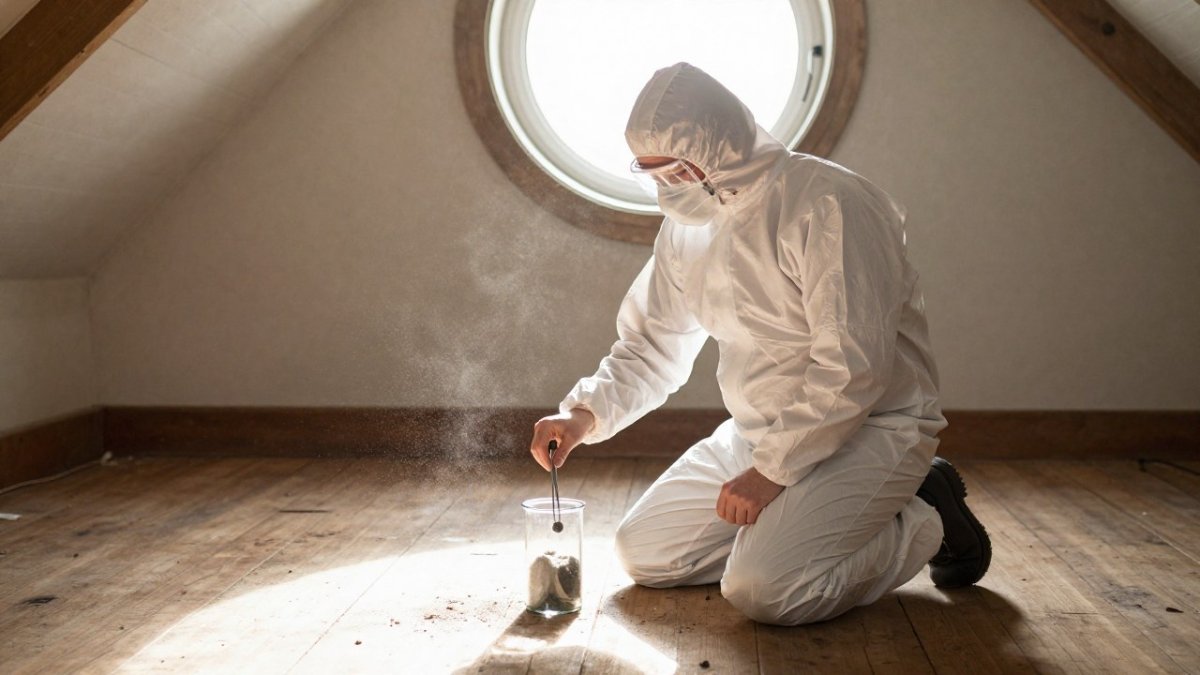
Professional sampling. A trained inspector collects samples using controlled methods, and the sample is analysed by an accredited laboratory. Professional sampling can cover multiple materials, including mastic and backing paper, where these are suspect.
What the lab actually does. Most labs use polarized light microscopy (PLM) for bulk samples, which identifies asbestos type and rough percentage. Some situations call for transmission electron microscopy (TEM), which is more sensitive and more expensive and is often required for air or dust samples.
When each option fits. A DIY kit can make sense for a single, already-damaged tile in a low-traffic area where you only need a yes/no answer before a small repair. Professional sampling is the better choice when you are planning renovation, when a real estate transaction is involved, when multiple materials are suspect, or when the tiles are already friable.
Watch out: a DIY sample taken from a single tile can miss asbestos in the mastic or in the backing paper, which is often the more sensitive material. If the result comes back negative but the adhesive is black and the home was built before the mid-1980s, consider a second sample from the mastic before you start demolition.
Results must be read correctly, so understanding the lab report matters as well. Learn how to interpret asbestos lab results field by field, including what the percentages and methods mean. Our guide on how to read asbestos lab reports explains the key terms. Learn more about testing options for asbestos in your property and what each sampling method covers.
Wondering whether testing is required in your situation? Review whether professional asbestos testing is mandatory for your project type.
The two testing routes differ less in lab quality than in who controls the sample, as the table below shows.
Option | Best for | Key difference |
DIY test kit | Single damaged tile, low-traffic area, yes/no answer | Homeowner collects the sample; mailed to lab |
Professional sampling | Renovation, real estate deals, multiple suspect materials | Trained inspector controls sampling; accredited lab |
Polarized light microscopy (PLM) | Bulk samples | Identifies asbestos type and rough percentage |
Transmission electron microscopy (TEM) | Air or dust samples | More sensitive and more expensive |
Mastic sampling | Sensitive backing adhesive | Can contain asbestos even when the tile tests clean |
Booking Your Asbestos Inspection on Long Island
If you own or manage a property in Nassau County or elsewhere on Long Island, a professional inspection is the most reliable way to get answers. Asbestos Buster provides bulk, air, TEM, settled dust, vermiculite and soil testing.
Our team delivers clear, accurate reporting. You get the information needed to plan renovations, demolition or a property sale with confidence. Review the asbestos testing services available and see what each sampling type covers.
Ready to act? Request an inspection or quote and speak with the team about your project. Our professional services also cover renovation and demolition support for properties across the region.
Schedule an Inspection before you disturb any flooring, and let a qualified professional confirm what is under your feet.
BUTTON: Schedule an Asbestos Inspection CARD_TITLE: Are your asbestos tiles still safe to leave alone? CARD_TEXT: Asbestos Buster provides clear, accurate testing for Nassau County and Long Island properties.
Frequently Asked Questions
Is it safe to live in a house with asbestos floor tiles?
In most cases, yes. Asbestos floor tiles are typically non-friable, meaning the asbestos fibers are bound tightly in the vinyl and are not easily released under normal foot traffic. Intact tiles in good condition generally pose little risk to occupants. Risk rises when tiles are cracked, crumbling, worn through, or disturbed by sanding, scraping, drilling, or removal. If tiles are damaged or you plan work on the floor, have them tested by a qualified inspector before proceeding.
Can intact asbestos floor tiles release fibers?
Intact, well-bonded tiles release very few or no fibers under normal use. Fiber release generally requires mechanical action such as sanding, grinding, scraping, or breaking the tile. Black mastic adhesive beneath the tiles can also be a concern if it is disturbed. Keep tiles undamaged, avoid dry sweeping of worn areas, and have any suspect flooring evaluated before renovation work begins.
Can I pour concrete over asbestos tile?
Covering asbestos tile with a layer of concrete or a suitable overlay is a form of encapsulation and can be an option when the tiles are intact. However, the surface must be properly prepared, and any work that disturbs the tiles or adhesive during preparation can release fibers. Because the right approach depends on the tile condition and the adhesive, have the flooring tested and consult a professional before deciding to cover it.
How can I tell whether old floor tiles contain asbestos?
Appearance alone cannot confirm asbestos. Tiles from homes built before the mid-1980s, particularly 9-inch by 9-inch vinyl composition tiles, have a higher likelihood of containing asbestos, and black mastic adhesive is a common warning sign. The only reliable way to know is laboratory analysis of a sample collected by a trained inspector. Asbestos Buster offers sampling and testing for flooring materials. For current pricing or a quote, visit the Asbestos Buster website.

Comments