
Is Asbestos Testing Covered by Homeowners Insurance?
Last Updated: October 23, 2026
Quick Summary
Is asbestos testing covered by homeowners insurance? Usually no, because most policies exclude asbestos under pollutant and contamination exclusions. Coverage may exist only when testing is necessary to assess damage from a covered loss, such as fire or water damage that disturbs asbestos-containing materials.
Most standard homeowners policies exclude asbestos testing, inspection, and removal under pollutant and contamination clauses.
Testing may be covered if it's tied to assessing damage from a named peril like fire, water damage, or a fallen tree.
Asbestos testing typically costs $300 to $1,200 depending on inspection type, sampling, and laboratory analysis.
Testing and removal are separate; insurers may cover discovering asbestos but almost never cover the cost of removal.
Ask your agent in writing whether testing would be covered before you hire an inspector or file a claim.
Table of Contents
Does Homeowners Insurance Cover Asbestos Testing?
The Short Answer
Why Testing Coverage Is Complicated
Pollutant and Contamination Exclusions Explained
When Asbestos Testing May Be Covered
Asbestos Disturbed During Renovation or Repairs
Sudden and Accidental Damage
Asbestos Testing vs. Asbestos Removal Coverage
Cost of Asbestos Testing and Who Pays
What Each Stage Typically Costs
Who Pays at Each Stage
The Deductible Trap
Why the Testing/Removal Split Matters for Your Wallet
Finding a Qualified Tester
How to Document and File an Asbestos Claim
Before You Test or File: A Safe, Ordered Sequence
A Practical Claim Decision Tree
Policy Language Checklist: What to Search For
Sample Questions for Your Agent or Adjuster
Documenting the Claim
Key Questions to Ask Your Insurance Agent
Frequently Asked Questions
Does Homeowners Insurance Cover Asbestos Testing?
Is asbestos testing covered by homeowners insurance? Usually no. Most policies exclude asbestos testing, inspection, and removal under pollutant and contamination exclusions. Coverage may exist in narrow cases, particularly when asbestos is disturbed during repairs related to a covered loss.
Insurers distinguish between testing and removal, between pre-existing asbestos and asbestos disturbed by a covered event, and between testing types. We help homeowners clarify coverage before they invest in testing or remediation.
The Short Answer
Most standard policies exclude "pollutants" and "contaminants," which asbestos falls under, so inspection, sampling, and lab analysis usually fall to the homeowner. Coverage may exist if asbestos is disturbed during repairs to a covered loss, such as fire or water damage, the key is whether testing is part of a covered claim versus a standalone expense.
Why Testing Coverage Is Complicated
Asbestos exclusions are standard industry-wide: insurers treat asbestos as a pre-existing condition or environmental hazard, not a sudden accident, and testing is a routine inspection rather than a response to damage. Testing takes several forms:
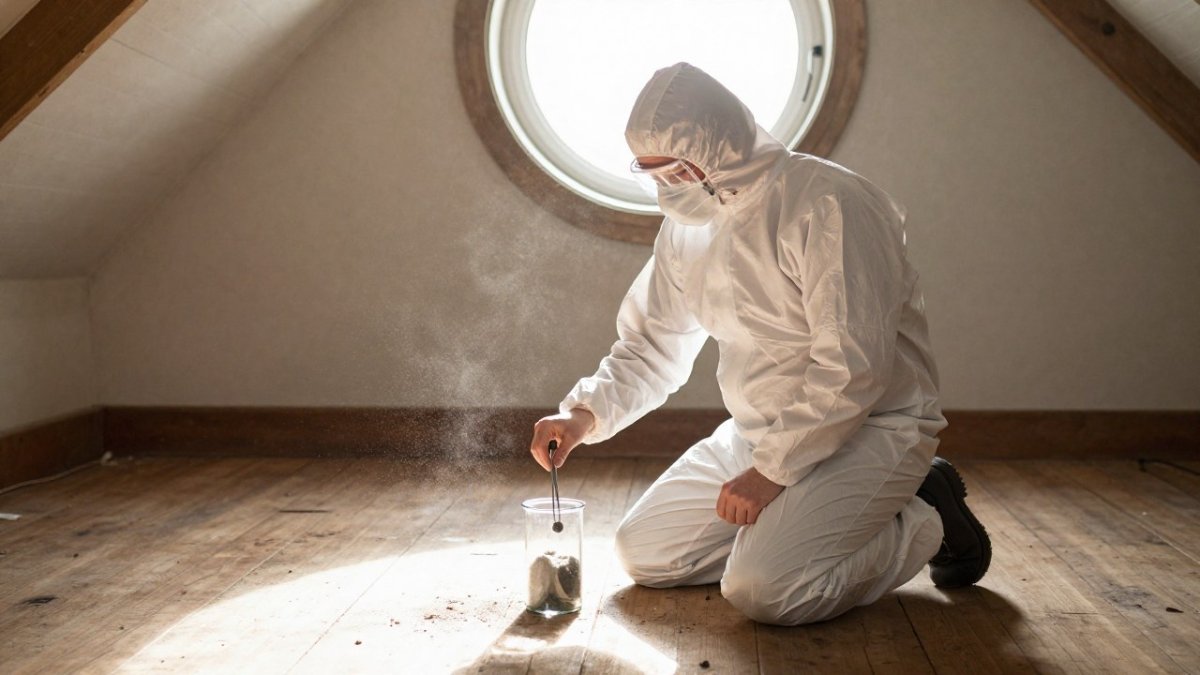
Bulk sampling of materials suspected to contain asbestos
Air testing to measure asbestos fibers in the home
Settled dust testing to detect fibers on surfaces
Each type has different costs and coverage scenarios. Bulk sampling during a renovation might be covered if part of assessing damage from a covered loss; air testing for general safety concerns almost never is.
Pollutant and Contamination Exclusions Explained
Pollutant exclusions are the primary reason asbestos testing is not covered. These clauses exclude pollutants, contaminants, and hazardous substances, and asbestos is classified as a pollutant under most contracts. The language typically reads: "We do not insure for loss or damage caused by or resulting from any pollutant or contaminant", designed to prevent insurers from covering environmental cleanup, hazardous material removal, and related testing.
When Asbestos Testing May Be Covered
Coverage is possible only in specific scenarios.
Asbestos Disturbed During Renovation or Repairs
If repairs to a covered loss (fire, water damage, theft) disturb asbestos-containing materials, testing might be covered, because the covered loss created the need for the repair that exposed the asbestos. Example: a fire damages your kitchen, and during rebuilding contractors find asbestos insulation around pipes; testing whether it's friable may be covered as part of assessing the fire damage.
Sudden and Accidental Damage
Some policies cover sudden and accidental damage that reveals asbestos. If an accident damages a wall or ceiling and exposes asbestos-containing materials, testing to assess the hazard might be included, but it must be tied to the covered event, not general concern about asbestos in the home. Testing to understand covered damage is covered; testing for peace of mind is not.
Asbestos Testing vs. Asbestos Removal Coverage
Many homeowners confuse testing coverage with removal coverage; they are entirely separate. Testing is the inspection and sampling process that identifies whether asbestos is present and in what type and condition. Removal (abatement) is the physical process of containing, removing, and disposing of asbestos-containing materials. Policies almost never cover removal, it's a maintenance or remediation expense, not a covered loss.
Cost of Asbestos Testing and Who Pays
Testing costs vary by test type, sample count, and lab analysis. Separate the cost of finding asbestos from the cost of dealing with it, insurers treat those stages very differently.
What Each Stage Typically Costs
Prices vary by region, property size, and scope, but these ranges reflect common residential patterns. Treat them as planning figures, not quotes.
Stage | What Happens | Typical Out-of-Pocket Range |
Visual inspection | Certified inspector walks the property, identifies suspect materials, builds a sampling plan | $300-$800 for a typical single-family home |
Bulk sampling | Small pieces of suspect material are collected and sent to an accredited lab | Often bundled into the inspection fee; add $25-$75 per sample when billed separately |
Laboratory analysis | Polarized light microscopy (PLM) for bulk samples; transmission electron microscopy (TEM) for air or dust samples | PLM: roughly $30-$75 per sample; TEM: roughly $150-$400 per sample |
Air or dust testing | Aggressive or non-aggressive air sampling, settled dust wipe sampling | $400-$1,200 depending on the number of cassettes and rooms |
Containment and abatement | Sealing the work area, negative air pressure, HEPA filtration, removal, disposal | Highly variable; small residential jobs commonly run from a few thousand dollars into five figures |
Post-remediation clearance | Visual inspection plus air sampling to confirm the work area is clean | $300-$1,000, sometimes bundled with the abatement contract |
Pro Tip Ask your inspector for a written scope that separates inspection, sampling, lab fees, and reporting. Bundled pricing hides which line items an insurer might actually consider.
Who Pays at Each Stage
Payment responsibility depends on why the testing is happening, not just what it costs.
Routine testing with no covered loss: The homeowner pays for inspection, sampling, lab analysis, and follow-up; insurers treat this as preventive maintenance.
Testing tied to a covered loss (fire, water damage, a fallen tree, vandalism): The insurer may cover inspection and sampling as part of the damage assessment, subject to your deductible and policy limits. Abatement is usually still excluded under the pollutant exclusion unless the policy has a specific exception.
Testing during a real estate transaction: Often negotiated between buyer and seller; not an insurance matter.
The Deductible Trap
Even when testing is arguably covered, your deductible can swallow the benefit. If your deductible is $1,000 and the inspection plus lab work comes to $700, you may end up paying the full amount anyway, and filing a claim still creates a loss record. Run the math before you file.
Why the Testing/Removal Split Matters for Your Wallet
A common, frustrating outcome: the insurer pays for testing that confirms asbestos was disturbed by a covered loss, then denies abatement because the pollutant exclusion still applies to removal. Ask your adjuster, in writing, whether the claim would extend to abatement if testing confirms contamination, before you authorize the work.
Finding a Qualified Tester
When you do decide to test, choose a qualified inspector who:
Holds state or EPA-recognized certifications in asbestos inspection
Uses accredited laboratories for sample analysis
Provides clear, detailed reports and explains results in plain language
Avoid inspectors who profit directly from remediation, an inspector who also does removal has a financial incentive to find asbestos. If they offer removal, consider a second opinion before committing to expensive remediation.
Watch Out Do not drill, sand, cut, or demo suspect materials to "help" the inspector. Disturbing asbestos before sampling can spread fibers, raise cleanup costs, and complicate any insurance claim.
How to Document and File an Asbestos Claim
Use the framework below to work out whether you have a claim worth filing before you spend money on testing or pick up the phone.

Before You Test or File: A Safe, Ordered Sequence
Stop disturbing the material. Do not sand, scrape, drill, or demo suspect surfaces. If debris is loose, isolate the area and keep people and pets out.
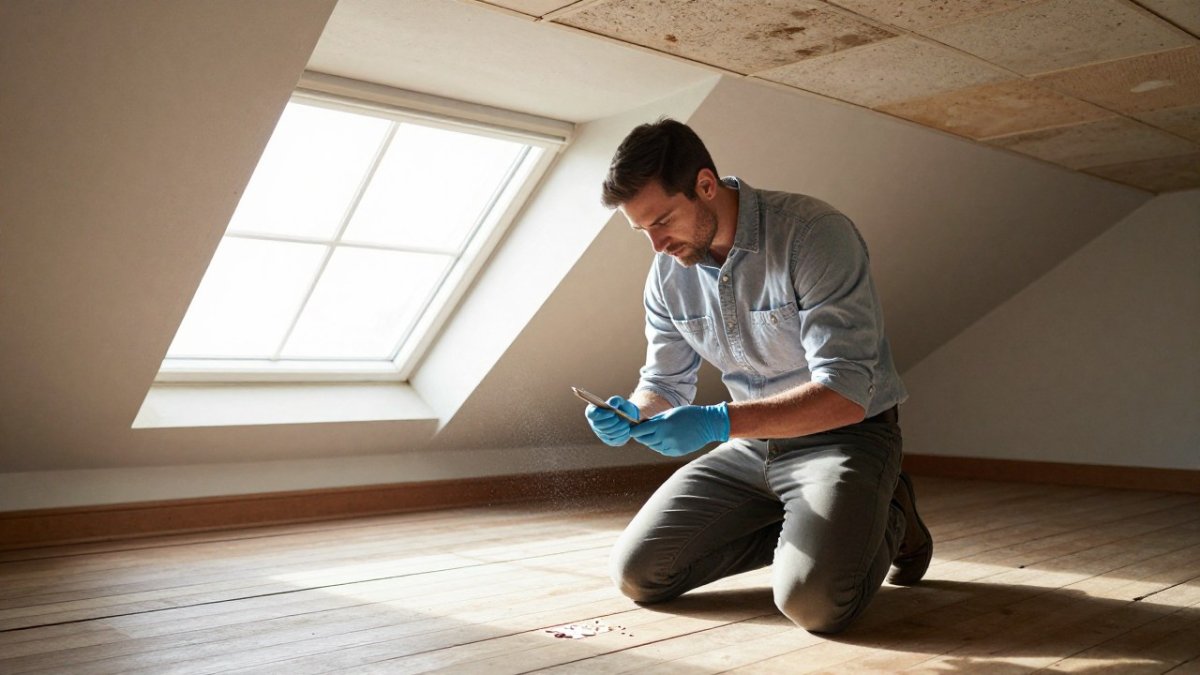
Document the condition. Photograph the suspect material in place, note its location, and record what triggered your concern (a renovation, a leak, a contractor's comment, a home inspection finding).
Identify the trigger. Was there a covered event, fire, burst pipe, storm, falling object, vandalism, or a general concern about older materials? This drives most coverage outcomes.
Call your agent before the inspector. Ask whether testing would be part of a covered claim in your situation, and get the answer by email.
Hire a qualified inspector who does not also sell abatement, and ask for a report tying the sampling to the triggering event.
Decide whether to file. Compare the likely covered amount against your deductible and the effect of a claim on your loss history.
A Practical Claim Decision Tree
Work through these in order; the first "no" usually ends the coverage path.
Was there a covered peril? If asbestos was discovered during repairs to fire, water, wind, or another named peril, continue. If it came from a general concern, a home inspection, or a planned renovation with no underlying loss, coverage is very unlikely.
Did the covered peril disturb the asbestos, or did the repair work? Testing tied to assessing covered damage has the best chance; testing triggered only by the renovation is usually a maintenance cost.
Does your policy contain a pollutant or contamination exclusion? Almost all do. Read the exact wording, some carve back coverage when the pollutant release results from a covered peril.
Key Takeaway The strongest claim fact pattern is: a named peril caused damage, the repair of that damage disturbed asbestos-containing material, and the testing was ordered by the adjuster or required to complete the covered repair. Anything weaker is usually denied.
Policy Language Checklist: What to Search For
Search your policy declarations and forms for these terms, noting the page and exact wording:
"Pollutant" and "contaminant", the definitions section usually lists asbestos explicitly.
"Asbestos", check exclusions, definitions, or an endorsement.
"Sudden and accidental", some policies preserve coverage for abrupt discharges, which matters if a pipe burst or a wall was struck.
Sample Questions for Your Agent or Adjuster
Ask these in writing (email is best) so you have a record:
"My policy form is [form number]. Does it exclude asbestos testing and abatement, and is there any exception when testing follows a covered loss?"
"If a covered peril damages my home and the repair disturbs asbestos-containing material, will the claim cover inspection, sampling, and lab analysis? Will it cover abatement?"
"Will the adjuster order the testing, or do I hire the inspector first and submit the invoice?"
Documenting the Claim
If you decide to file, submit a single package:
The claim number and covered-loss documentation (fire report, water mitigation invoice, photos of the original damage)
Photos of the suspect material in its pre-testing condition
The inspector's report, including lab results, sample locations, and credentials
Keep copies of everything. If denied, request the denial in writing with the specific policy language cited, and ask about the internal appeal or reconsideration process before escalating.
Pro Tip If your adjuster verbally says testing "should be fine," follow up with an email summarizing the conversation and asking for confirmation. Verbal assurances are difficult to enforce later.
Key Questions to Ask Your Insurance Agent
Before testing or filing a claim, ask your agent:
About your situation:
Does my policy cover asbestos testing if it's discovered during repairs to a covered loss?
What types of losses would trigger coverage for testing?
Are there exceptions to the pollutant exclusion in my policy?
About the claims process:
How do I document that testing is related to a covered loss?
What information do you need to evaluate a claim?
If testing is covered, what's my deductible?
About alternatives:
If testing is not covered, are there other coverages that might apply?
Should I get a second opinion from another inspector?
What happens if I don't test but discover asbestos later?
Get answers in writing, email creates a record that protects you if there's a dispute about what the agent said.
Most homeowners pay for asbestos testing out of pocket; insurance coverage is the exception.
Asbestos Buster helps homeowners and contractors navigate testing decisions with clear, honest guidance. Our professional inspection reports provide the documentation insurers need to evaluate claims fairly.
Frequently Asked Questions
Does homeowners insurance pay for asbestos testing?
Most homeowners insurance policies exclude coverage for asbestos testing due to pollutant and contamination exclusions. However, testing may be covered if asbestos is disturbed during repairs for a covered loss (like fire damage) or if damage is sudden and accidental. Review your specific policy language or contact your insurance agent to determine whether your situation qualifies for an exception.
How much does an asbestos check cost?
Asbestos testing costs depend on the scope of work, number of samples, and testing methods required (bulk sampling, air testing, or laboratory analysis). Pricing varies by location and testing complexity. Contact a qualified asbestos tester near you for a detailed quote. Many homeowners find it helpful to get quotes from multiple providers before deciding.
What should I do before filing an asbestos insurance claim?
First, obtain a professional asbestos inspection report from a licensed inspector. Document the condition of materials and photograph any damage. Review your homeowners insurance policy to understand exclusions and coverage limits. Contact your insurance agent with the inspection report and a clear explanation of how the asbestos-containing materials were disturbed or damaged. Submit a formal claim with proof of loss and all supporting documentation.
Is asbestos testing covered if I'm planning a renovation?
Pre-renovation asbestos testing is typically not covered by homeowners insurance because it is considered a preventive measure, not damage response. However, if asbestos is discovered and disturbed during renovation work for a covered peril (such as water damage requiring repair), testing related to that specific claim may be covered. Consult your policy and insurance agent about your renovation scenario.
Schedule an Inspection
Add asbestosbuster.com as a preferred source on Google →

Comments