
7 Steps to Find Certified Asbestos Abatement Contractors
Last Updated: October 25, 2026
Quick Summary
Certified asbestos abatement contractors hold state-issued abatement licenses, complete EPA-accredited training specific to their discipline, and can provide proof of current credentials, insurance, and worker certifications. Verify their license status directly through your state's environmental agency database before hiring.
Federal training requires asbestos abatement contractors to complete 5 days (40 hours) of initial EPA-accredited training plus annual refresher courses.
Request a Certificate of Insurance showing minimum $1 million general liability and workers' compensation coverage before signing a contract.
Confirm the contractor's license type in the state database, an active Asbestos Abatement Contractor license is the firm-level credential you need.
Ask for written safety procedures including containment, negative air pressure, HEPA filtration, and independent clearance testing protocols.
Get detailed estimates from at least three certified contractors that break down scope, containment process, waste disposal, testing, and timeline.
Table of Contents
Why Hiring Certified Asbestos Abatement Contractors Matters
Understanding Asbestos Removal Contractor Credentials
Step 1: Verify Licenses and Certifications
Step 2: Check Insurance and Bonding
Questions to Ask an Asbestos Removal Contractor
Step 3: Review Asbestos Removal Safety Procedures
Step 4: Compare Asbestos Abatement Estimates
Step 5: Evaluate References and Track Record
Frequently Asked Questions
Why Hiring Certified Asbestos Abatement Contractors Matters
Asbestos poses serious health risks when disturbed. Friable materials release inhalable fibers that can cause asbestosis, mesothelioma, and lung cancer. Non-friable materials in good condition pose minimal risk, but any renovation or demolition requires professional assessment.
Hiring certified asbestos abatement contractors isn't optional, it's essential for safety and legal compliance. Improper removal spreads contamination. Certified professionals follow strict protocols to contain fibers, protect your property, and dispose of materials safely.
Understanding Asbestos Removal Contractor Credentials
Asbestos abatement credentials sit on two layers: a federal worker-training requirement and state-issued licensing. Understanding both helps you tell a genuinely certified contractor from one who simply claims to be.
The federal layer. Under the Asbestos Model Accreditation Plan (MAP), which states adopt through their EPA-authorized programs, individuals who work on asbestos projects in schools, public and commercial buildings must complete EPA-accredited training (the EPA). The MAP defines distinct disciplines, and each requires its own course and refresher:
Asbestos Abatement Worker, initial training is typically 4 days (32 hours), with annual refresher training.
Asbestos Abatement Contractor/Supervisor, initial training is typically 5 days (40 hours), with annual refresher training.
Asbestos Project Designer, initial training is typically 3 days (24 hours), with annual refresher training.
Asbestos Inspector, initial training is typically 3 days (24 hours), with annual refresher training.
Asbestos Management Planner, initial training is typically 2 days (16 hours), with annual refresher training.
What “certified” should mean in practice. A legitimate certified asbestos abatement contractor can produce, on request:
The company's state abatement license number and expiration date.
The name and certificate number of the certified supervisor assigned to your project.
Current EPA-accredited training certificates for each worker who will be on site.
A certificate of insurance showing general liability and workers' compensation coverage.

Watch Out A business license, a general contractor license, or a mold remediation certificate is not an asbestos abatement credential. If a firm presents those in place of a state asbestos license, treat it as unverified until you confirm the asbestos-specific license in the state database.
How to read a license classification. Note the license type, not just the status. An active “Asbestos Abatement Worker” certificate belongs to an individual employee, not the company; an active “Asbestos Abatement Contractor” license is the firm-level credential you want. If the project involves designing the removal plan, confirm a separate project designer credential.
Learn how to verify an asbestos inspector by checking state licensing databases and confirming certifications step by step.
Federal training requirements define five distinct asbestos disciplines, each with specific course lengths and refresher schedules.
Discipline | Initial Training | Annual Refresher |
Asbestos Abatement Worker | 4 days (32 hours) | Required |
Asbestos Abatement Contractor/Supervisor | 5 days (40 hours) | Required |
Asbestos Project Designer | 3 days (24 hours) | Required |
Asbestos Inspector | 3 days (24 hours) | Required |
Asbestos Management Planner | 2 days (16 hours) | Required |
Step 1: Verify Licenses and Certifications
Start by confirming your contractor holds active licenses. Contact your state's environmental agency or licensing board directly.
Search the state database by name and license number. Verify the license is current with no disciplinary actions; a suspended or revoked license is a red flag.
Ask the contractor for their license number upfront. If they hesitate or can't provide it, move on.
Learn how to verify an asbestos inspector by checking state licensing databases and confirming certifications step by step.
What to check in the database:
License status (active, expired, suspended, revoked)
License type (abatement contractor, project designer, worker)
Issue and expiration dates
Any complaints or disciplinary history
Some states post complaint records publicly. Review them, patterns matter, and multiple complaints about safety violations are serious.
Step 2: Check Insurance and Bonding
Liability insurance protects you if something goes wrong. A reputable asbestos abatement contractor carries general liability and workers' compensation coverage.
Ask for a Certificate of Insurance. Verify the coverage limits are adequate for your project scope. Typical limits are $1 million general liability and $500,000 per occurrence.
Request proof of bonding before signing a contract. Don't accept verbal assurances.
Insurance requirements to verify:
General liability insurance (minimum $1 million)
Workers' compensation coverage
Pollution liability insurance (asbestos-specific)
Current Certificate of Insurance with your name as additional insured
Check the insurance company's website to confirm the policy is active. Call the insurer directly if you're unsure.
Questions to Ask an Asbestos Removal Contractor
Ask specific questions to assess competence and honesty. A knowledgeable contractor answers clearly without defensive language.
Ask these questions:
How many asbestos abatement projects have you completed in the past five years?
Can you describe your process for containing and removing asbestos-containing materials?
What happens if asbestos is accidentally disturbed during the project?
How do you dispose of asbestos waste, and who handles it?
What testing or air monitoring do you do after removal?
Can you provide references from recent projects?
Do you handle project design, or do I need a separate project designer?
What's your timeline, and what could delay it?
A good contractor explains their process clearly, acknowledges risks, describes how they mitigate them, and doesn't oversell or promise guarantees.
Step 3: Review Asbestos Removal Safety Procedures
Ask the contractor to walk you through their containment, removal, and clearance process in plain language.
The standard containment sequence. Most abatement projects follow a recognizable order:
Isolate the work area. Plastic sheeting seals doorways, vents, and floors; critical barriers separate the work zone from occupied space.
Establish negative air pressure. Negative air machines with HEPA filtration pull air out of the containment so fibers cannot drift into clean areas. The machines run continuously during abatement.
Suppress dust. Materials are wetted before and during removal to keep fibers from becoming airborne.
Remove and bag. Debris goes into sealed, labeled containers, typically double-bagged or wrapped, and is transported under chain-of-custody documentation.
Decontaminate. Workers pass through a decontamination unit; the work area is cleaned with HEPA vacuums and wet wiping.
Clearance testing. Air sampling confirms fiber levels are below the clearance standard before the containment comes down.
How clearance testing actually works. Clearance is not a visual check.
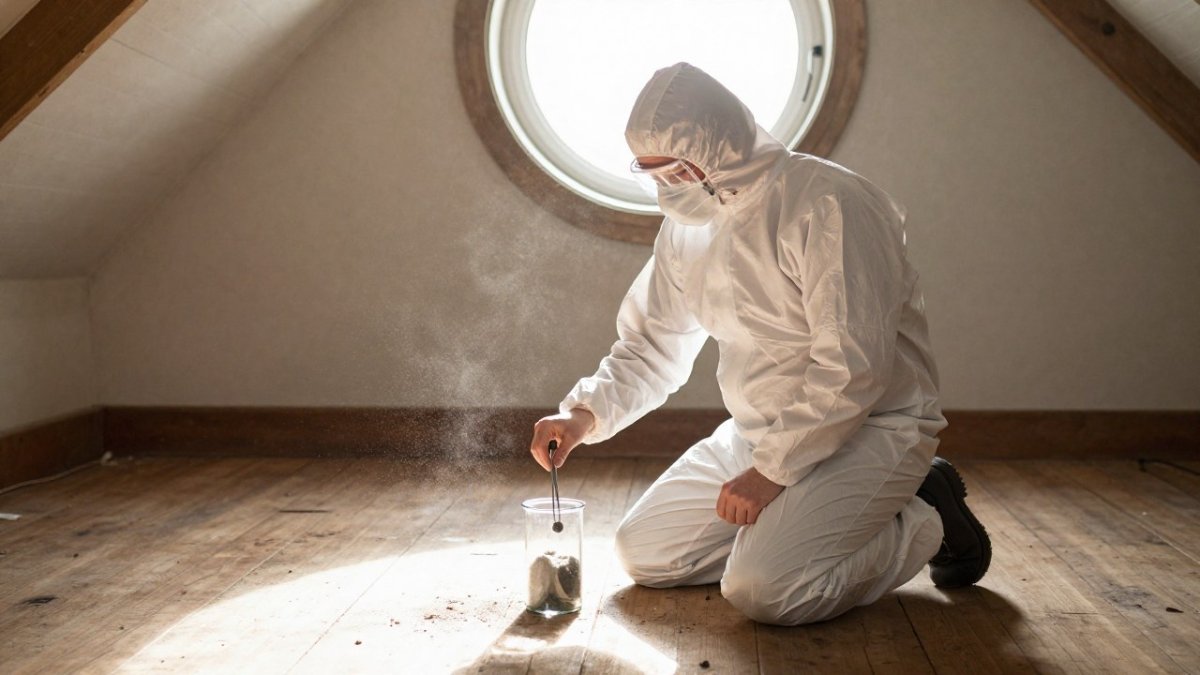
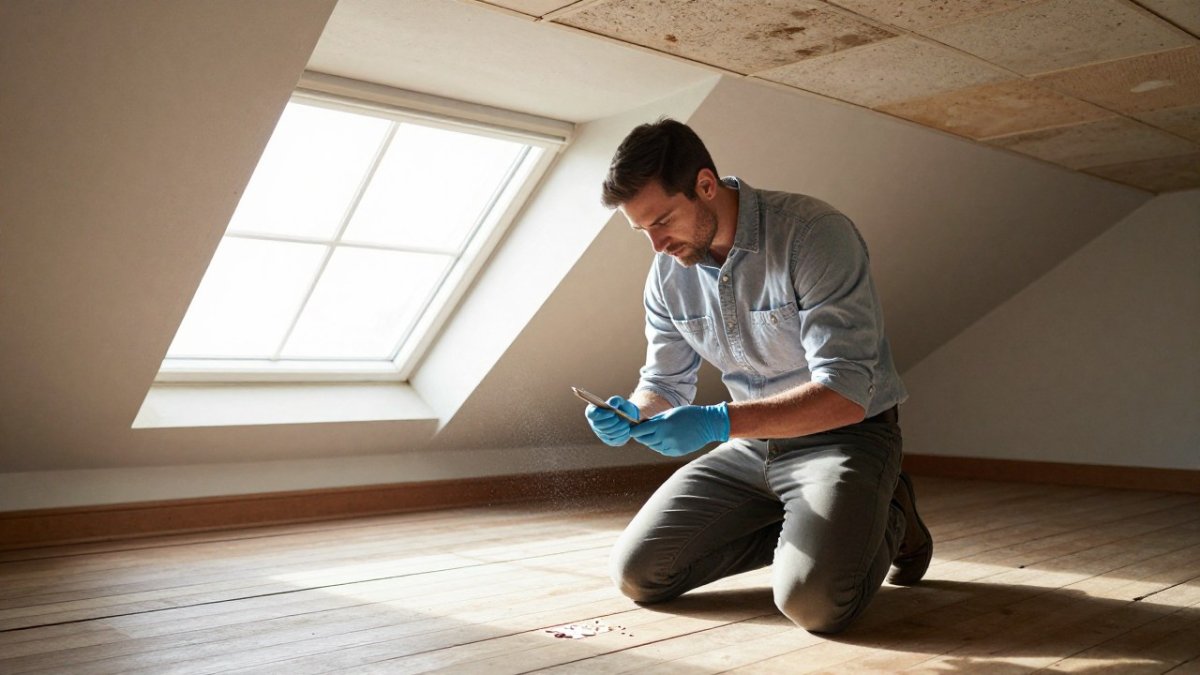
What to do if material is accidentally disturbed. If material you suspect contains asbestos is disturbed, a torn pipe wrap, a crumbled ceiling tile, dust from a drilled wall, stop the spread rather than cleaning it up yourself:
Stop work immediately and keep people, pets, and HVAC systems away from the area.
Do not sweep, vacuum with a household vacuum, or use a fan; those actions spread fibers (the EPA).
Close the door to the area and, if possible, shut off the room's air supply.
Leave the material alone and contact a certified asbestos professional for assessment.
Note what was disturbed and when, so the inspector can assess the scope.
Pro Tip A HEPA vacuum is not a substitute for professional assessment after a disturbance. The question is not just whether fibers were released but whether the material is asbestos at all, and appearance cannot answer that.
Encapsulation, enclosure, or removal. Removal is not always the right answer. Contractors and project designers generally weigh three options:
Encapsulation, coating the material with a sealant so fibers cannot be released. Lower cost and less disruption, but the material remains in place and must be monitored.
Enclosure, building a sealed barrier around the material. Also leaves it in place and can complicate future renovation.
Removal, physically taking the material out. Highest cost and disruption, but eliminates the ongoing management obligation.
The right choice depends on the material's condition, location, and whether renovation will disturb it.
Red flags in their procedures:
No mention of containment, negative air pressure, or HEPA filtration.
Standard shop vacuums instead of HEPA equipment.
No independent clearance testing, or the same crew clears its own work.
Vague answers about waste disposal and chain-of-custody documentation.
No written safety plan or worker decontamination procedure.
No answer for what happens if material is disturbed mid-project.
Ask for the written safety plan and the clearance testing protocol before signing. A contractor who documents the process is a contractor who can be held to it.
Understand what happens after asbestos is found to evaluate whether a contractor's safety procedures match industry standards.
Step 4: Compare Asbestos Abatement Estimates
Get detailed estimates from at least three certified contractors, not just bottom-line numbers.
A good estimate breaks down:
Scope of work (what materials, square footage, location)
Containment and removal process
Waste disposal costs
Post-removal testing and clearance
Timeline and labor costs
Contingencies (what happens if more asbestos is found)
Compare carefully: the lowest price often means corners are being cut, and the highest doesn't guarantee quality.
If one estimate is half the price of the others, ask why, they're either underbidding to win the job or omitting essential steps.
What estimates should include:
Detailed scope of work
Materials and equipment costs
Labor hours and rates
Waste disposal and transportation
Air testing and clearance procedures
Timeline with start and completion dates
Payment schedule
Warranty or guarantee (if offered)
Ask if the estimate includes post-removal air sampling. Some contractors charge extra for testing. Factor that into your comparison.
Step 5: Evaluate References and Track Record
Ask for references from recent projects and contact at least two.
Relevant questions for references:
Was the work completed on time and within budget?
Did the contractor communicate clearly throughout the project?
Were there any issues or complications? How were they handled?
Would you hire them again?
Was the final air testing done properly?
Check online reviews carefully. Real reviews mention specifics. Generic praise or complaints are less reliable.
Search the contractor's name online. Look for any lawsuits, complaints with the Better Business Bureau, or regulatory actions.
Contact Asbestos Buster to discuss your project and get professional guidance on finding the right contractor for your needs.
How to verify track record:
Ask for at least three recent project references
Check Better Business Bureau rating and complaints
Search online for lawsuits or regulatory actions
Look for industry certifications beyond minimum licensing
Ask how long they've been in business
Review their portfolio of completed projects
A contractor proud of their work shares references freely. If they hesitate or give vague answers, that's a warning sign.
Finding a certified asbestos abatement contractor requires due diligence, but the effort protects your health and property.
Frequently Asked Questions
How can I verify a certified asbestos abatement contractor's credentials?
Contact your state's environmental agency and the EPA to confirm active licenses and certifications. Ask the contractor for proof of NESHAP certification, state-specific abatement licenses, and current insurance. Request references from recent projects and verify they completed work within the past 2-3 years. Most reputable contractors maintain transparent credential documentation and welcome verification calls.
What should I expect in an asbestos abatement estimate?
A detailed estimate should specify the scope of work, materials to be removed, containment and disposal methods, project timeline, labor costs, and waste disposal fees. It should reference the inspection findings and identify exactly which asbestos-containing materials will be addressed. Compare estimates from multiple contractors, but the lowest price often indicates incomplete scope. Ask contractors to explain any significant price differences between estimates.
What are the key asbestos removal safety procedures I should verify?
Contractors must follow OSHA and EPA regulations, including establishing containment barriers, using negative air pressure systems, wearing appropriate respirators, and following proper decontamination protocols. They should provide a detailed safety plan before work begins and explain how they'll prevent fiber release. Ask about their waste disposal method and whether they'll conduct air monitoring during and after removal to confirm fiber levels are safe.
Should I get multiple asbestos abatement estimates?
Yes. Obtain estimates from at least two or three certified contractors. This helps you understand the scope, identify realistic pricing, and compare approaches. Ensure each estimate is based on the same inspection findings. Avoid choosing solely on price; the lowest bid may cut corners on safety or use less experienced crews. Balance cost with credentials, safety practices, and contractor reputation.
Schedule an Inspection
Add asbestosbuster.com as a preferred source on Google →

Comments