
5 Signs Undisturbed Asbestos May Still Pose Hidden Risks
Last Updated: October 25, 2026
Quick Summary
Undisturbed asbestos in good condition poses minimal health risk because fibers remain locked inside the material and cannot become airborne. However, this safety depends entirely on the material remaining intact and undamaged; the moment deterioration or disturbance occurs, the risk profile shifts dramatically.
Damaged or deteriorating asbestos-containing materials present real health risks as fibers can release into the air and become breathable.
Friable materials like pipe insulation and spray-applied fireproofing pose the highest risk compared to non-friable materials like floor tiles.
Professional asbestos testing before renovation is essential to identify which materials contain asbestos and allow contractors to use proper containment procedures.
Water damage, age, temperature fluctuations, vibration, and pest activity all accelerate deterioration and fiber release from asbestos materials.
If asbestos material is accidentally disturbed, stop work immediately, isolate the space, shut down HVAC systems, and call a qualified professional for assessment.
Table of Contents
Why Undisturbed Asbestos Is Generally Considered Safe
When Damaged Asbestos-Containing Materials Become Dangerous
Asbestos Testing Before Renovation: Why It Matters
How Professional Asbestos Inspection Protects Your Home
Asbestos Siding Safety: A Room-by-Room Checklist
What to Do Immediately if Asbestos Material Is Accidentally Disturbed
Schedule Your Professional Inspection Before Your Renovation Starts
Frequently Asked Questions
Why Undisturbed Asbestos Is Generally Considered Safe
Undisturbed asbestos in good condition poses minimal health risk to occupants. The key word here is undisturbed. When asbestos-containing materials stay intact and are left alone, fibers remain locked inside the material and cannot become airborne.
This is why many older homes built before the mid-1980s remain safe to inhabit even when asbestos is present. The material itself is not the threat. Fiber release is. As long as materials stay sealed and undamaged, exposure does not occur.
However, this safety depends entirely on one condition: the material must remain in good condition and undisturbed. The moment that changes, the risk profile shifts dramatically. Understanding this distinction separates informed homeowners from those who panic unnecessarily or, worse, ignore genuine hazards.
When Damaged Asbestos-Containing Materials Become Dangerous
Damaged or deteriorating asbestos-containing materials present a real health risk. When insulation crumbles, ceiling tiles crack, or siding deteriorates, fibers can release into the air and become breathable.
Friable materials pose the highest risk. Friable means the material crumbles easily under pressure. Pipe insulation, spray-applied fireproofing, and loose fill insulation are friable. Non-friable materials like floor tiles and roofing shingles are harder to disturb, but damage still matters.
Deterioration accelerates the problem:
Water damage weakens material integrity
Age causes natural breakdown
Temperature fluctuations create cracks
Vibration from nearby construction loosens fibers
Pest activity can damage material surfaces
Watch out: Attempting to repair or clean damaged asbestos yourself can release far more fibers than leaving it alone. Professional containment and removal exist for this reason.
The real danger emerges when damaged material is ignored. A small crack today becomes a larger problem tomorrow. Regular inspection catches deterioration before it becomes hazardous.
Deterioration and damage accelerate the release of asbestos fibers from materials in your home.
Deterioration Factor | Effect on Material |
Water damage | Weakens material integrity |
Age | Causes natural breakdown |
Temperature fluctuations | Create cracks |
Vibration from nearby construction | Loosens fibers |
Pest activity | Damages material surfaces |
Asbestos Testing Before Renovation: Why It Matters
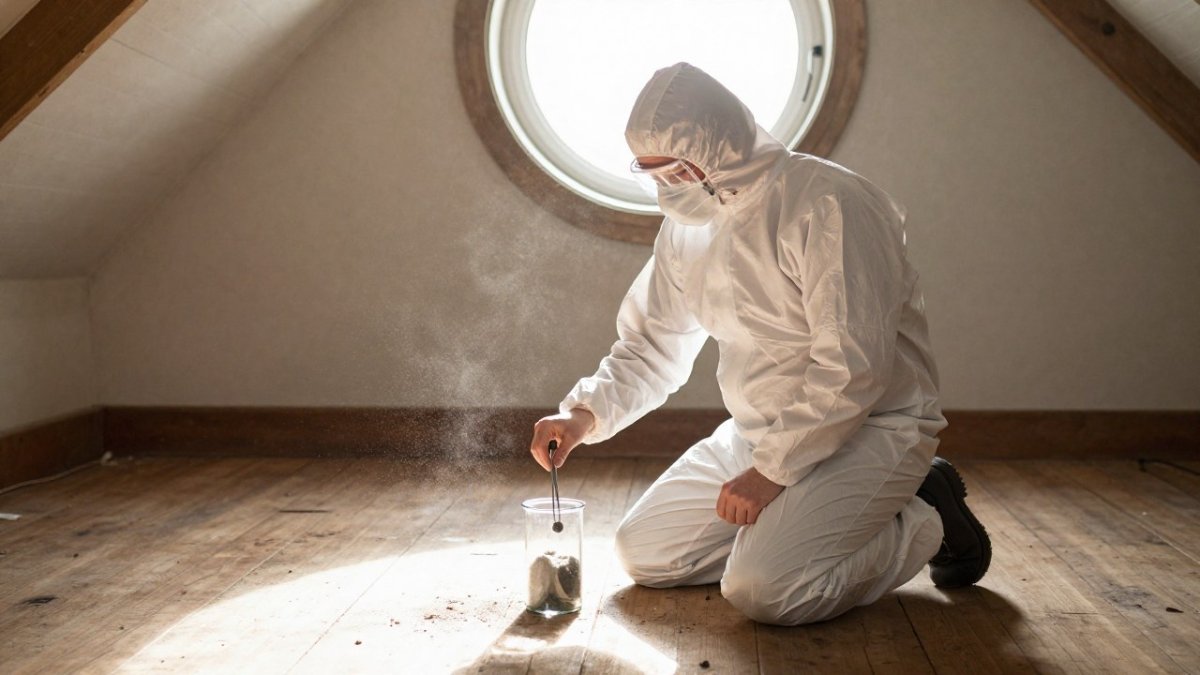
Renovation work disturbs materials. Demolition, drilling, sanding, and removal all create the conditions for fiber release. This is why asbestos testing before renovation is not optional, it is essential.
Testing identifies which materials contain asbestos before work begins. Knowing what you are dealing with allows contractors to use proper containment and removal procedures.
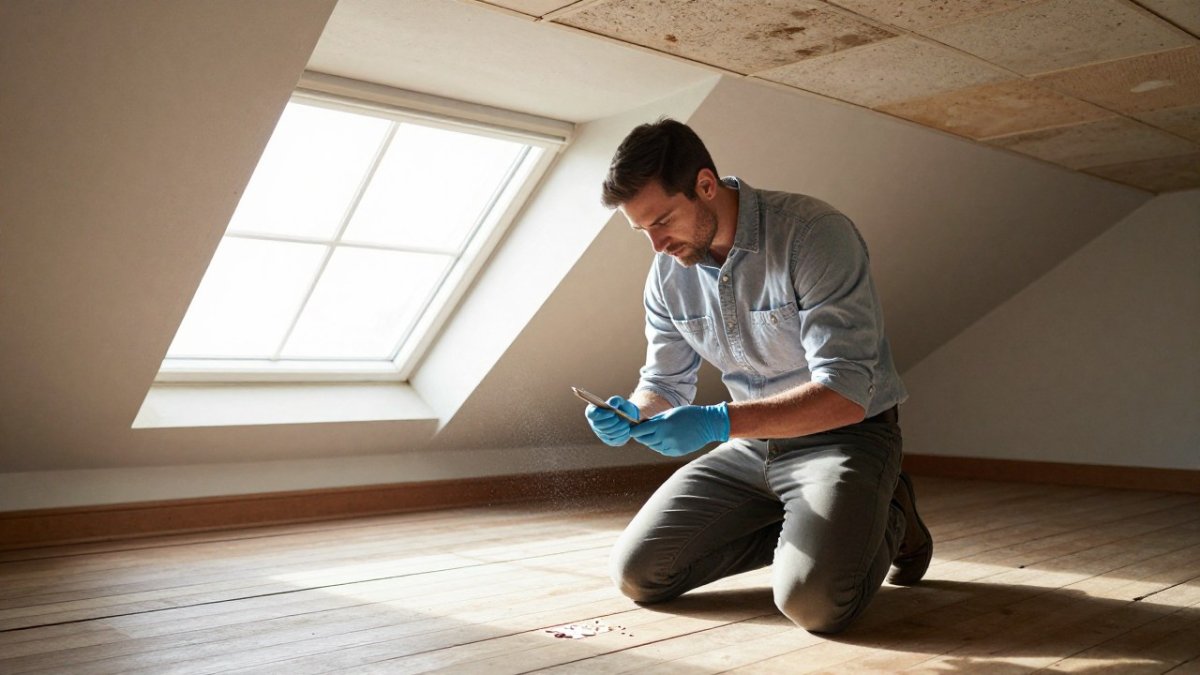
The process is straightforward. Professional sampling collects small material samples from suspected areas. These samples go to a laboratory for analysis. Results come back with clear information about what is present and where.
Timing matters. Learn when you should schedule asbestos testing before renovation, purchase, or demolition to ensure proper planning. Schedule testing well before renovation starts. Contractors need this information to plan their approach.
EPA guidance on asbestos in homes emphasizes that testing before renovation protects everyone involved in the project.
How Professional Asbestos Inspection Protects Your Home
A professional inspection provides the information needed to make safe decisions about your property. Inspectors know where asbestos commonly hides and what to look for.
The inspection process involves:
Visual assessment of the property
Identification of suspected asbestos-containing materials
Sampling of materials that may contain asbestos
Documentation of findings and locations
Clear reporting on risk level and recommendations
Professional inspectors identify, test, and report findings. This separation prevents conflicts of interest. An inspector has no financial incentive to recommend unnecessary removal.
The report becomes your guide. It tells you what is present, where it is located, and what condition it is in.
At Asbestos Buster, our team provides professional asbestos inspection and testing services that deliver clear, accurate reporting. We help homeowners, contractors, and property managers understand what they are dealing with so they can move forward with confidence.

Asbestos Siding Safety: A Room-by-Room Checklist
Siding is one of the most common places asbestos hides in older homes, but it is far from the only one. Many homes built before the mid-1980s contain asbestos in multiple materials, and the question is never whether it is present, it is whether each material is intact and undisturbed.
Exterior walls and siding:
Look for cracks, splits, or missing sections in siding panels and shingles
Check for water stains, discoloration, or efflorescence that signal moisture intrusion
Note any peeling, crumbling, or powdering surface, friable siding releases fibers more readily
Examine areas around windows, doors, and utility penetrations where water enters and sealant fails
Roof and fascia:
Inspect roof shingles for curling, cracking, or missing pieces
Check fascia and soffit boards for damage, rot, or deterioration
Look for water damage or staining on sheathing visible from the attic
Note any loose or hanging materials that could fall and break
Kitchen:
Check the backing behind older sheet vinyl flooring and the adhesive beneath it
Examine older appliance door gaskets and heat shields on ranges and furnaces
Look at textured ceiling coatings and any spray-applied acoustic material
Note damaged cabinet liners or older patching compounds around pipes
Bathroom:
Inspect older vinyl floor tile and the mastic under it
Check pipe insulation and the wrapping around heating runs
Look at textured ceiling and wall coatings for cracking or water damage
Examine caulking and patching compounds around fixtures for crumbling
Attic and basement:
Inspect pipe and boiler insulation closely, this is often friable and the highest-risk material in the home
Check for loose-fill insulation that may contain asbestos
Look at furnace wrapping, ductwork insulation, and spray-applied fireproofing
Examine any vermiculite-style insulation, which has a well-documented history of asbestos contamination
Around pipes and vents throughout the home:
Examine insulation around pipes for crumbling or deterioration
Check around HVAC vents for damaged wrapping
Look for loose or exposed insulation
Note any visible dust or fiber release near joints and fittings
Interior walls and ceilings:
Check textured ceiling coatings (often called popcorn ceilings) for cracks or water damage
Look for water stains that indicate past leaks
Examine areas where walls meet ceilings and around recessed light fixtures
Note any visible damage or deterioration in joint compound and patching materials
The goal is not to remove everything you find. It is to identify what needs attention. Materials in good condition can stay in place and be monitored. Damaged or deteriorating materials need professional assessment before anyone touches them. Record what you see, location, material type, and condition, so a qualified inspector can prioritize sampling.
Watch Out Never rely on sight alone. Two materials that look identical can have completely different asbestos content. A professional assessment with laboratory analysis is the only reliable way to know what you are living with.
What to Do Immediately if Asbestos Material Is Accidentally Disturbed
Accidents happen. A contractor drills into a wall. A child damages ceiling tile. Renovation uncovers insulation.
1. Stop work and stop movement. Do not continue disturbing the material.
**2.
3. Shut down the air handler. Turn off central HVAC and any fans or window units serving the area.
4. Protect yourself on the way out. If you were in the area, avoid shaking out clothing.
**5.
6. Call a qualified professional. Explain what was disturbed, where, when, and who was present.
7. Document the incident. Note the time, location, material disturbed, duration of disturbance, and who was in the area.
OSHA emergency procedures for asbestos disturbance provides guidance for workplace incidents.
Pro Tip A single brief disturbance is not the same as years of occupational exposure. Risk generally scales with the concentration of fibers in the air and the duration and frequency of exposure. That context matters, but it is not a reason to skip professional assessment after a release.
What happens next: monitoring, encapsulation, or removal. Once the immediate release is contained, a professional assessment usually leads to one of three paths. Monitoring is appropriate when the material is intact or only lightly damaged and can be kept undisturbed behind a barrier, the least invasive and often the most sensible option. Encapsulation seals the material with a coating or rigid cover so fibers cannot escape, which is common for pipe insulation and structural materials that are difficult to remove. Removal is warranted when material is friable, extensively damaged, or in the path of planned renovation, and it is the most involved and costly option. Removal is not automatically the safest choice; improper removal can release more fibers than leaving well-encapsulated material in place. A qualified professional should walk you through the trade-offs for your specific situation.
Professional teams have the training and equipment to handle these situations safely.
Schedule Your Professional Inspection Before Your Renovation Starts
The safest approach to renovation on an older property is clear: test before you touch. Knowing what materials are present and what condition they are in eliminates guesswork and prevents dangerous mistakes.
Renovation timelines often feel tight. Adding inspection feels like a delay. In reality, it is insurance.
Guidance on when to schedule asbestos testing before renovation emphasizes that testing should happen early in the planning process. Contractors need this information before they bid on work or schedule labor.
At Asbestos Buster, we understand renovation timelines. Our team works efficiently to provide the information you need quickly. We deliver clear reporting that contractors can use immediately.
Request an inspection before your renovation starts. Our team will identify what is present, assess condition, and give you the information needed to move forward safely and with confidence.
Frequently Asked Questions
Is it safe to live in a house with undisturbed asbestos?
Yes, undisturbed asbestos-containing materials in good condition pose minimal health risk. The fibers remain locked in place and cannot be inhaled. However, safety depends on the material's condition, age, and whether renovation or disturbance is planned. Materials showing signs of damage, deterioration, or friability require professional assessment. If you plan renovations, testing before work begins is essential to identify materials that may release fibers during construction.
Should I test asbestos before renovating an older home?
Yes. Asbestos testing before renovation is critical for homes built before the mid-1980s. Renovation, demolition, or any disturbance of building materials can release asbestos fibers into the air. A professional inspection identifies asbestos-containing materials so your contractor can take proper precautions or arrange for safe abatement. Testing protects both your family and workers, ensures regulatory compliance, and prevents costly delays if asbestos is discovered mid-project.
What should I do if I find suspected asbestos in my home?
Do not disturb it. Leave the material untouched and avoid any renovation or repair work in that area until a professional inspection is completed. Contact a qualified asbestos inspector to collect samples and provide laboratory analysis. A professional asbestos inspection will determine whether the material actually contains asbestos and assess its condition. Based on the results, you can decide whether to leave it in place, encapsulate it, or arrange for safe removal by a licensed abatement contractor.
Can asbestos become dangerous if it is left undisturbed?
Undisturbed asbestos in good condition is unlikely to release fibers. However, age, environmental exposure, water damage, or vibration from nearby construction can cause deterioration and fiber release over time. Non-friable materials (tightly bound asbestos) are safer than friable materials (loose, powdery asbestos that crumbles easily). Regular inspection of older materials and prompt repair of any visible damage helps prevent the material from becoming hazardous. If you notice cracks, peeling, or water damage, have a professional assess the risk immediately.
The decision to renovate, demolish, or sell a property on an older home requires knowing what materials are present. Asbestos that remains undisturbed and in good condition poses minimal risk. The moment that changes, professional guidance becomes essential. Asbestos Buster provides the testing and inspection services that give homeowners, contractors, and property managers the clarity they need. Contact us today to schedule your professional inspection and protect your project.
Schedule an Inspection
Add asbestosbuster.com as a preferred source on Google →

Comments