
When Should You Schedule Asbestos Testing Before Renovation, Purchase, or Demolition

Asbestos is not always visible, and it does not announce itself with a smell, stain, or obvious warning sign. A wall, ceiling tile, pipe wrap, floor adhesive, or old siding panel can look ordinary while still containing asbestos fibers. The risk rises when those materials are cut, sanded, broken, drilled, removed, or otherwise disturbed.
That is why asbestos testing is a planning step, not just an emergency response. For property owners, buyers, and contractors, testing provides a clear answer before a project moves forward. It can help prevent exposure, avoid costly delays, and guide safe decisions about repairs, renovations, sales, and demolition.

Schedule testing before planning a renovation
Renovation is one of the most common times to test for asbestos. Many older homes and commercial buildings contain materials that were widely used before asbestos restrictions became common. These materials may remain safe when intact and undisturbed, but renovation work can change that quickly.
Testing should be considered before projects such as:
Removing old vinyl floor tiles or sheet flooring
Scraping textured ceilings
Opening walls or ceilings
Replacing insulation around pipes, ducts, or boilers
Removing roofing, siding, or exterior panels
Sanding old joint compound or plaster
Updating kitchens, bathrooms, basements, or utility rooms
The concern is not the age of the building alone. The real issue is whether the project will disturb suspect materials. A clean-looking floor or ceiling can still become a hazard if tools release dust into the air.
Testing before renovation gives the project team a safer path forward. If no asbestos is present, work can usually proceed with fewer restrictions. If asbestos is found, the owner and contractor can plan for proper containment, licensed abatement, revised timelines, and safe disposal.
Skipping testing can create a far more expensive problem. A contractor may stop work after discovering suspect material. Dust may spread into occupied areas. Disposal rules may change. A simple remodel can turn into a contaminated job site that takes longer and costs more to correct.
Test when building materials are damaged or deteriorating
Asbestos-containing materials create the greatest concern when they are damaged, crumbling, loose, or friable. Friable materials can be crushed by hand pressure and may release fibers more easily than dense, intact materials.
Warning signs may include:
Cracked or broken floor tiles
Crumbling pipe insulation
Damaged ceiling tiles
Peeling or flaking textured coatings
Torn duct wrap
Water-damaged wall or ceiling materials
Debris from old insulation or fireproofing
Damage does not confirm asbestos, but it does create a reason to investigate. The safest approach is to avoid sweeping, vacuuming, scraping, or handling suspect debris until a qualified professional has assessed the material. Household vacuums and dry sweeping can spread fine particles rather than control them.

Testing helps determine whether the material requires repair, encapsulation, removal, or simple monitoring. For example, an intact asbestos-containing floor may be managed in place if it will not be disturbed. By contrast, crumbling insulation in a mechanical room may need immediate professional attention.
For occupied buildings, testing also helps reduce uncertainty. Owners can make informed decisions about restricting access, scheduling repairs, and communicating clearly with contractors, tenants, or occupants.
Arrange testing before buying an older property
A general home inspection may identify visible defects, but it usually does not confirm whether materials contain asbestos. Buyers considering an older property should think about asbestos testing when suspect materials are present or when renovation is likely after closing.
This is especially relevant for properties with:
Popcorn or textured ceilings
Old 9-inch or 12-inch floor tiles
Black flooring mastic
Pipe or boiler insulation
Cement siding or roofing
Old duct insulation
Aging plaster, joint compound, or fireproofing materials
Testing can be useful during due diligence because it turns a vague concern into a documented fact. That information can affect repair planning, renovation budgets, insurance discussions, and negotiations.
A property can still be a good purchase if asbestos is present. The key is knowing where it is, what condition it is in, and whether planned work will disturb it. The cost of testing is often small compared with the cost of discovering asbestos after crews have already started demolition or remodeling.

Buyers should also ask for any available records, such as prior asbestos surveys, abatement documents, renovation permits, or contractor reports. If records are unavailable or incomplete, fresh testing may provide needed clarity.
Complete testing before demolition starts
Demolition carries a high risk of disturbing asbestos because the work breaks, crushes, and removes many building materials at once. For that reason, asbestos testing or an asbestos survey is commonly required before demolition permits or major teardown work can proceed.
This applies to full demolition and partial demolition, including interior gut-outs. Contractors may need to know whether asbestos is present in flooring, roofing, siding, insulation, ceiling systems, wall assemblies, caulks, mastics, and mechanical components.
Testing before demolition supports:
Worker safety
Proper containment plans
Correct personal protective equipment
Legal disposal procedures
Accurate bids and schedules
Fewer project shutdowns
Demolition without testing can spread contamination across a site. It can also expose workers, neighboring properties, and waste handlers. If asbestos is found mid-project, work may stop until the site is assessed and cleaned according to applicable requirements.
A pre-demolition survey helps separate regulated materials from general debris before equipment arrives. This allows abatement crews to remove asbestos-containing materials under controlled conditions, rather than after debris has been mixed and scattered.
Use professional testing instead of guessing
Visual inspection alone cannot confirm asbestos. Many asbestos-containing products look identical to materials that do not contain asbestos. The only reliable way to know is laboratory analysis of properly collected samples.
Property owners should avoid taking samples unless they fully understand the risks and local rules. A trained asbestos inspector can identify suspect materials, collect samples safely, document the locations, and send them to an accredited lab. For contractors, this documentation can also help define the project scope and reduce disputes.
A good testing process usually includes:
A site review of suspect materials
Controlled sample collection
Lab analysis
A written report
Recommendations for next steps
The report should clearly state what was sampled, where it was found, and whether asbestos was detected. If asbestos is present, the next step may be repair, encapsulation, professional removal, or leaving the material undisturbed with a management plan.
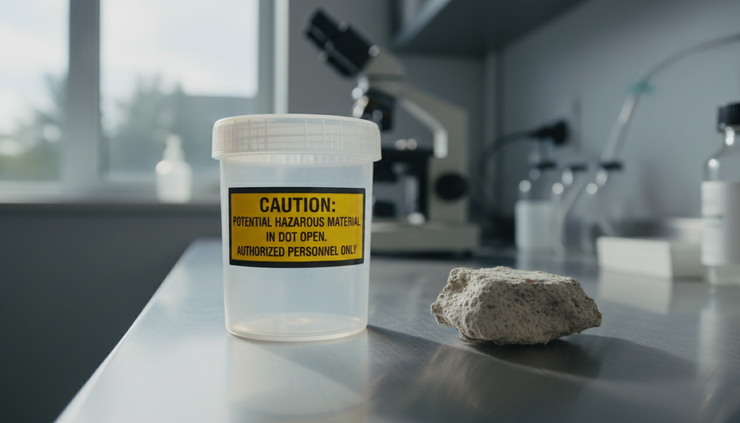
The safest time to test is before work begins
Asbestos testing is most valuable before decisions become urgent. Schedule it before renovation, when damaged materials appear, during the evaluation of an older property, and before any demolition begins.
Testing does more than identify a hazard. It helps owners and contractors plan the right scope, protect people on site, set realistic budgets, and avoid avoidable delays. When a project involves older or damaged building materials, the safest assumption is simple: test first, then plan the work based on facts.


Comments