
Are Asbestos Exposure Risks Serious in Nassau County Homes?
Last Updated: November 1, 2026
Quick Summary
Asbestos exposure in homes is a real concern, mainly in houses built before the mid-1980s. Intact, undisturbed material generally releases few fibers, but sanding, drilling, or demolition can release fibers that are inhaled and can cause serious lung disease, sometimes decades later.
Intact asbestos that is not disturbed generally releases few fibers.
Stop work, keep people out, and avoid cleaning with a regular vacuum after a disturbance.
Symptoms of asbestos-related disease often appear 10 to 40 years after exposure.
Get materials professionally tested before cutting, sanding, or demolition in homes built before the mid-1980s.
Table of Contents
Asbestos exposure in homes is a real concern, especially in houses built before the mid-1980s. Homeowners across Nassau County and Long Island who want to understand their risk before they start a project can benefit from professional inspection. This guide explains where asbestos hides, how it becomes a health hazard, and what to do next.
What Asbestos Is and Where It Hides in Older Homes
Asbestos is a group of naturally occurring minerals that were widely used in building materials for much of the twentieth century. Its heat resistance and strength made it popular in insulation, flooring, roofing, and wall coverings.
Common places to find it in older homes include:
Pipe and boiler insulation
Vinyl floor tiles and the adhesive beneath them
Textured or popcorn ceilings
Finding asbestos is not the same as having a problem. Intact materials that are not disturbed generally release few fibers (the EPA). The risk comes when these materials are damaged or cut.
How Asbestos Fibers Become Airborne During Disturbance
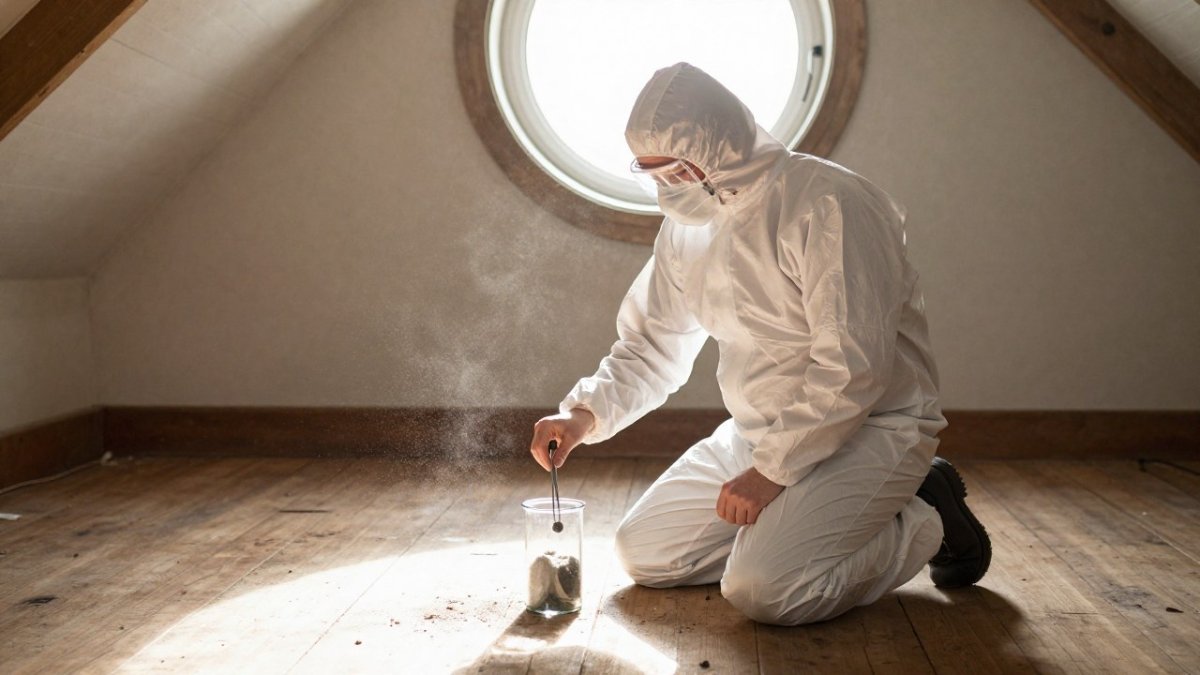
Asbestos fibers stay locked inside materials until something breaks them loose. Sanding, drilling, demolition, and even rough cleaning can release fibers into the air.

Fibers are tiny and light. They can stay airborne for long periods and drift through a house.
Watch out: Sweeping or vacuuming suspected material with a household vacuum can spread fibers further. Stop and seal the area instead.
Health Risks From Inhaling Asbestos Fibers
Breathing asbestos fibers is the main route of exposure. Once inhaled, fibers can lodge in lung tissue and stay there for decades.
The health effects are serious. Exposure is linked to scarring of the lungs, lung cancer, and a rare cancer of the lining of the chest and abdomen called mesothelioma. Risk generally tends to rise with the amount and duration of exposure.
Asbestosis, Lung Cancer, and Mesothelioma Explained
Asbestosis is progressive scarring of lung tissue. It can cause shortness of breath and a persistent cough.
Lung cancer risk increases with exposure, and smoking adds to that risk.
Mesothelioma is strongly tied to asbestos exposure. It often appears decades after the exposure occurred.
These diseases can take years or even decades to develop. The delay is one reason people often do not connect symptoms with past exposure.
One-Time Asbestos Exposure Risks: What the Evidence Shows
Many homeowners ask whether a single brief exposure matters. The honest answer is that the evidence is more nuanced than most people expect, and the right next step depends heavily on which of three scenarios you are in.
Risk generally depends on how many fibers are inhaled and for how long. A single brief event, such as a short disturbance of a small amount of material, is typically much lower risk than repeated or prolonged exposure.
Scenario 1: The Material Is Intact and Undisturbed
If you suspect asbestos but the material is whole, a sealed pipe wrap, an unbroken floor tile, a painted popcorn ceiling with no crumbling, the priority is to leave it alone. Do not sweep or vacuum debris with a household vacuum (the EPA).
A common pattern is for homeowners to assume any asbestos-containing material must come out immediately. Intact material in good condition is often best managed in place, with periodic visual checks for cracking, water damage, or crumbling.
Scenario 2: You Accidentally Disturbed Material Once
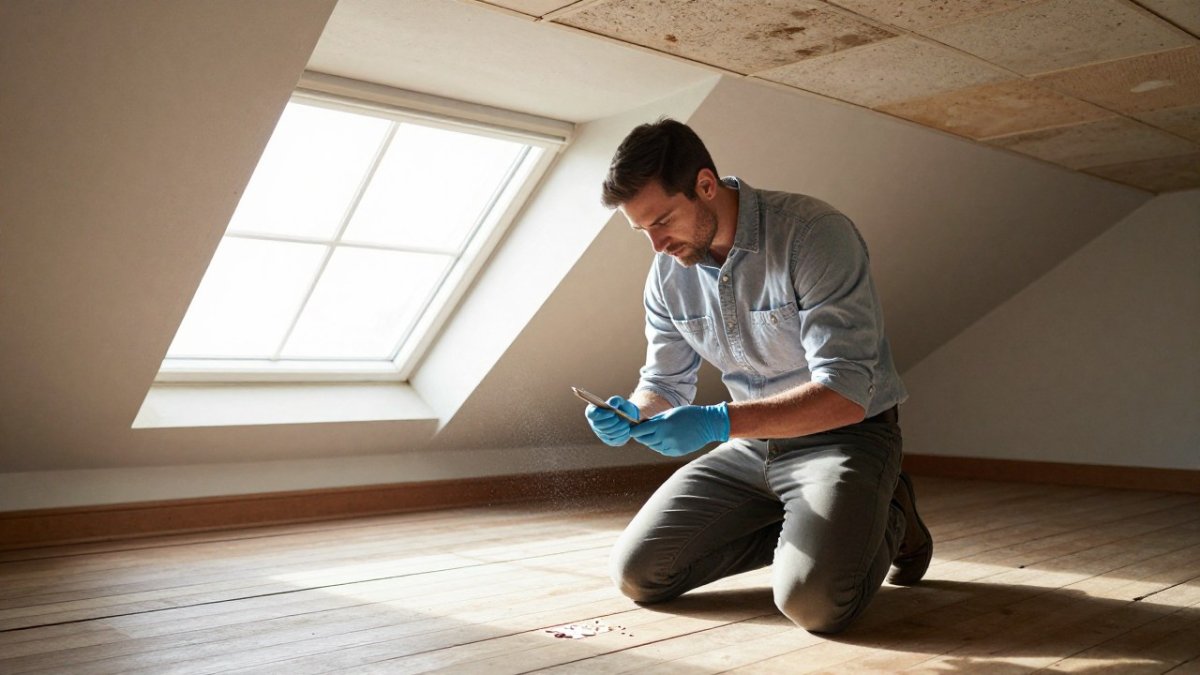
A one-time disturbance, cutting into a suspect ceiling, pulling up a few floor tiles, or drilling into a wall, is the most common homeowner scenario. The steps are straightforward:
Stop the work immediately. Do not finish the cut, pull the rest of the tile, or clean up with a broom or shop vacuum.
Keep people out of the area. Close the door and, if possible, tape plastic over the doorway. Keep children and pets away.
Avoid spreading dust. Do not run central air or fans in the area, and do not walk through the debris in street shoes.
Do not attempt your own cleanup. Household vacuums and wet rags can spread fibers rather than contain them.
Arrange a professional assessment. An inspector can sample the material, evaluate the debris, and advise on cleanup and air testing.
Write down what happened. Note the date, the material involved, how long the disturbance lasted, and whether anyone was in the area. This record becomes useful if you later discuss exposure with a clinician.
A single short event of this kind is typically much lower risk than repeated or prolonged exposure, but because no safe threshold is known, documenting it and getting a proper assessment is the sensible step.
Scenario 3: Exposure Is Ongoing or Repeated
Ongoing exposure is the scenario that deserves the most attention. Signs include:
Debris or dust that keeps appearing in a basement, attic, or utility room
Crumbling pipe insulation, damaged ceiling texture, or deteriorating floor tile
Repeated renovation work in the same area over months or years
In these cases, stop using the affected space where practical, avoid dry sweeping or vacuuming, and arrange professional inspection and sampling promptly. If the material is damaged and friable, a qualified abatement contractor, not a general handyman, should handle removal.
Watch Out Do not collect your own samples. Breaking off a piece of suspect material to mail to a lab can release fibers and contaminate the area. Professional inspectors follow containment and sampling procedures designed to avoid that.
When to Talk to a Health Professional
For a single brief disturbance with no ongoing exposure, it is reasonable to mention the event at your next routine visit so it is in your record. If you have ongoing or repeated exposure, a documented occupational exposure, or symptoms such as a persistent cough or shortness of breath, discuss screening options with a clinician. Medical screening decisions, including whether imaging is appropriate, should be made with a doctor who can weigh your full exposure history, not from an article alone.
Exposure Details Worth Recording
A simple written record helps if you ever need to discuss exposure with a clinician or an inspector:
Date or date range of the disturbance
Location in the home and the material involved
How long the disturbance lasted and what tools were used
This checklist is not a substitute for medical advice. It simply gives you and your doctor a clearer picture if questions come up later.
The article lays out three scenarios, each with a different priority, so the key steps can be scanned at a glance.
Scenario | Priority | Key action |
Material intact and undisturbed | Leave it alone | Do not sand, scrape, drill, or demo |
One-time accidental disturbance | Stop and contain | Stop work, keep people out, avoid cleanup with a regular vacuum |
Ongoing or repeated exposure | Professional inspection promptly | Stop using the space where practical and arrange sampling |
Single brief disturbance, no ongoing exposure | Mention at routine visit | Record it in your medical history |
Persistent cough or shortness of breath | Consult a clinician | Discuss screening with your doctor |
Asbestos Exposure Symptoms and When They Appear
Symptoms of asbestos-related disease often do not show up for 10 to 40 years after exposure (the CDC). That long gap makes early detection difficult.
Watch for these signs and tell a doctor about past possible exposure:
Persistent cough that does not go away
Shortness of breath during normal activity
Chest pain or tightness
Symptoms alone do not confirm asbestos disease. Other conditions can cause similar signs. A medical evaluation that includes your exposure history gives your doctor the information needed to decide on the right tests.
Residential Exposure Versus Occupational Exposure
Much of what is known about asbestos disease comes from studies of workers with heavy, repeated exposure. Those studies describe a very different exposure pattern from what most homeowners face.
Why the Numbers Do Not Transfer Directly
Occupational studies typically involve people who breathed high concentrations of fibers, day after day, for years or decades. Their risk estimates are built on that pattern.
The more useful way to think about it is by pattern:
Intensity: Workplace exposures often involve visible dust clouds and continuous work in a confined area. Household exposures are usually brief and involve smaller amounts of material.
Duration and frequency: Occupational exposure is measured in years. Household exposure is often a single event, though renovation projects can create repeated exposure over weeks or months.
Controls: Workplaces are typically expected to use monitoring, ventilation, and protective equipment. Homeowners usually have none of these in place during a DIY project.
The practical takeaway is not that household exposure is safe, no safe threshold is known, but that the pattern of exposure matters. A single brief disturbance is a different situation from months of weekend renovation work in a basement.
Who Else in the Household May Be Exposed
Exposure is not always limited to the person doing the work. Fibers can travel through a house and can be carried on clothing, shoes, and hair. That means:
Children may be more vulnerable because their lungs are still developing and because they are more likely to play near disturbed areas or put dusty objects in their mouths. Keep them out of work zones entirely.
Renters often cannot authorize testing or repairs themselves. If you rent and suspect asbestos, notify your landlord or property manager in writing, describe what you observed, and ask how the material will be assessed. Keep a copy of the communication.
Pregnant household members and people with existing lung conditions should avoid disturbed areas and should be included in any conversation about timing of work.
Communicating With Landlords and Property Managers
A written message works better than a phone call. Describe the location, the material, and what prompted your concern, and ask for the inspection results in writing. If the response is slow and the material is damaged, avoid the area and follow up in writing again.
Key Takeaway Residential exposure is usually lower in intensity than occupational exposure, but the same principle applies in both settings: the goal is to avoid disturbing suspect material and to let qualified professionals assess it before work begins.
Where Professional Guidance Fits
Occupational settings typically have monitoring and protective equipment. Homeowners often lack those controls, which is why professional inspection before renovation is valuable. An inspector can identify which materials contain asbestos, assess their condition, and advise on whether the material can be managed in place or should be addressed by a qualified abatement contractor.
Asbestos Testing for Homeowners: Next Steps Before Renovation
If your home was built before the mid-1980s and you plan to renovate, get materials tested before any cutting, sanding, or demolition begins. A professional inspection identifies which materials contain asbestos and what to do about them.
Here is a practical sequence to follow:
Stop work in the suspected area and keep people out.
Avoid sweeping, vacuuming, or dry scraping.
Keep the area closed off with sealed plastic if possible.
Schedule a professional inspection and sampling.
Review the written results before hiring contractors.
Asbestos Buster provides professional asbestos inspection and testing across Nassau County and Long Island, including bulk, air, TEM, settled dust, vermiculite, and soil testing. You can also request an inspection or quote from our team.
Frequently Asked Questions
What are the risks of one-time exposure to asbestos?
A single brief exposure is generally considered low risk compared with repeated or prolonged exposure, but no exposure level is known to be completely safe. Risk depends on how many fibers were inhaled, how long the exposure lasted, and whether the person smoked. Most diseases linked to asbestos, including asbestosis, lung cancer, and mesothelioma, typically develop after long latency periods of 10 to 40 years. If you believe you were exposed, document the date, location, and activity, and discuss it with a physician who can advise on monitoring.
Can I live in a house with asbestos?
In many cases yes, as long as asbestos-containing materials remain intact and undisturbed. Materials in good condition that are not being cut, drilled, sanded, or demolished generally release few fibers. Problems arise when materials are damaged, crumbling, or disturbed by renovation. A licensed inspector can assess the condition of suspect materials and recommend whether to leave them alone, encapsulate them, or have them removed. Avoid DIY disturbance of suspect materials until they have been tested.
What health problems can asbestos exposure cause?
Inhaled asbestos fibers can cause asbestosis, a scarring of lung tissue that leads to breathing difficulty, as well as lung cancer and mesothelioma, a cancer of the lining of the chest or abdomen. Smoking substantially increases lung cancer risk among people exposed to asbestos. These diseases can take decades to appear, so symptoms such as persistent cough, shortness of breath, or chest pain should be reported to a doctor, who can note your exposure history.
What should I do if renovation work may have disturbed asbestos?
Stop work in the affected area, keep people and pets out, and avoid sweeping or vacuuming debris with household equipment. Close off the room and limit air movement if possible. Have the suspect material sampled by a qualified professional and follow the guidance of that inspector before resuming work. Record what was disturbed, when, and who was present, and contact your physician if you have concerns about symptoms.
Asbestos Buster provides professional asbestos inspection and testing for homeowners, businesses, and contractors across Nassau County and Long Island.

Comments